
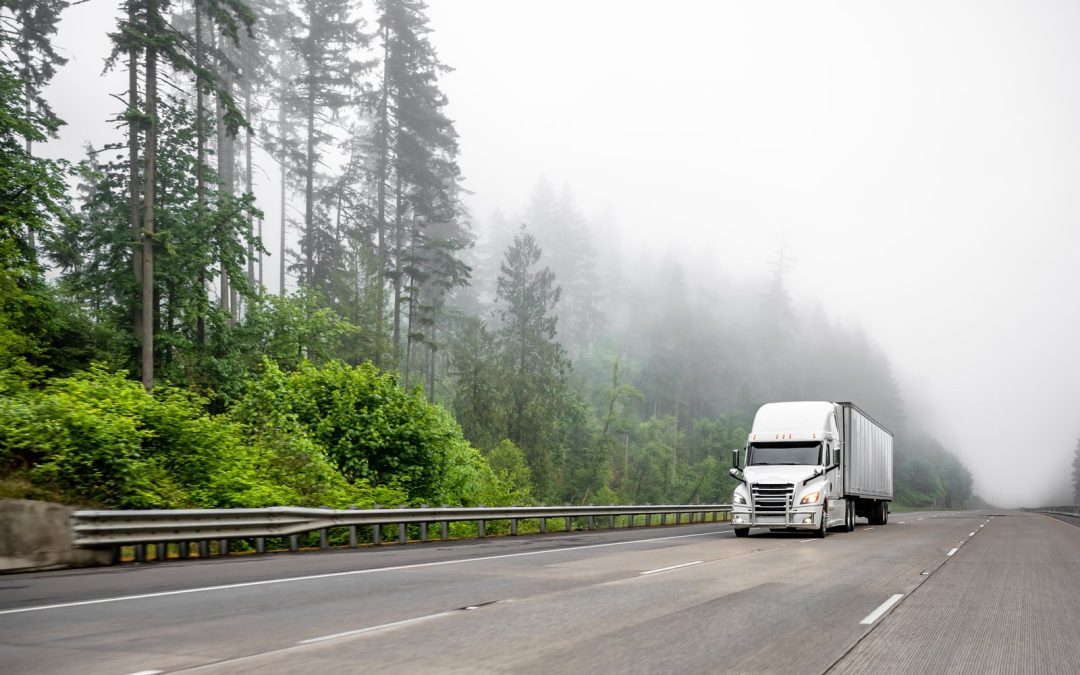
Maine trucking regulations 2026 bring several compliance updates that will directly affect how fleets recruit, train, and retain CDL drivers. As of 2026, carriers operating in the Pine Tree State face tighter ELD enforcement, updated hours-of-service interpretations, enhanced drug and alcohol testing protocols, and new entry-level driver training standards. These changes arrive at a time when driver shortages continue to strain New England logistics and construction operations.
This article breaks down the key regulatory shifts, their operational impact, and practical steps fleet managers and HR leads can take to stay ahead. Whether you run a regional hauler out of Portland, manage heavy equipment transport in Bangor, or coordinate last-mile delivery across the state, understanding these updates will help protect your authority and keep trucks moving.
In This Guide
- Overview of Upcoming Changes to Maine Trucking Regulations 2026
- Electronic Logging Devices and Hours-of-Service Updates
- Drug and Alcohol Testing Requirements in 2026
- Entry-Level Driver Training and CDL Certification Changes
- Winter Weather, Bridge, and Hazardous Material Updates
- Preparing Your Fleet for Maine Trucking Regulations 2026
- Key Takeaways
Overview of Upcoming Changes to Maine Trucking Regulations 2026
For more on this topic, see our guide on CDL driver staffing in Maine.Maine aligns its commercial vehicle rules with federal FMCSA standards while adding state-specific requirements for winter operations, bridge weight limits, and hazardous material transport. As of 2026, the Maine Bureau of Motor Vehicles and the Department of Transportation plan to roll out stricter enforcement of several national mandates that previously allowed flexibility.
For current federal guidance, see the Maine BMV CDL information.Key areas seeing movement include:
- Electronic Logging Device (ELD) compliance audits
- Hours-of-service (HOS) exception reviews for short-haul and adverse weather
- Controlled substance testing expansion
- Entry-Level Driver Training (ELDT) verification
- Vehicle maintenance and inspection reporting
These adjustments reflect broader national safety goals but create immediate work for Maine-based fleets. Carriers that delay preparation risk fines, out-of-service orders, and increased insurance premiums. Figures vary by employer and year, yet early compliance typically reduces violation rates by 15-25 percent according to regional industry benchmarks.
Highway Driver Leasing has supported New England carriers through similar regulatory transitions by supplying DOT-compliant CDL drivers who already meet current standards. This approach lets fleets maintain service levels while internal teams update policies.
Electronic Logging Devices and Hours-of-Service Updates
Electronic Logging Devices and Hours-of-Service Updates
ELD usage has been mandatory for several years, yet 2026 brings sharper enforcement in Maine. State inspectors will increase random audits at weigh stations and ports, focusing on data transfer accuracy, edit logs, and personal conveyance documentation.
For more on this topic, see our guide on NE diesel price trends 2026.Fleets should expect:
- Mandatory real-time data sharing during roadside inspections
- Reduced tolerance for “malfunction” exemptions
- Stricter review of 30-minute break compliance
- Enhanced scrutiny of short-haul exceptions under 150 air-mile radius
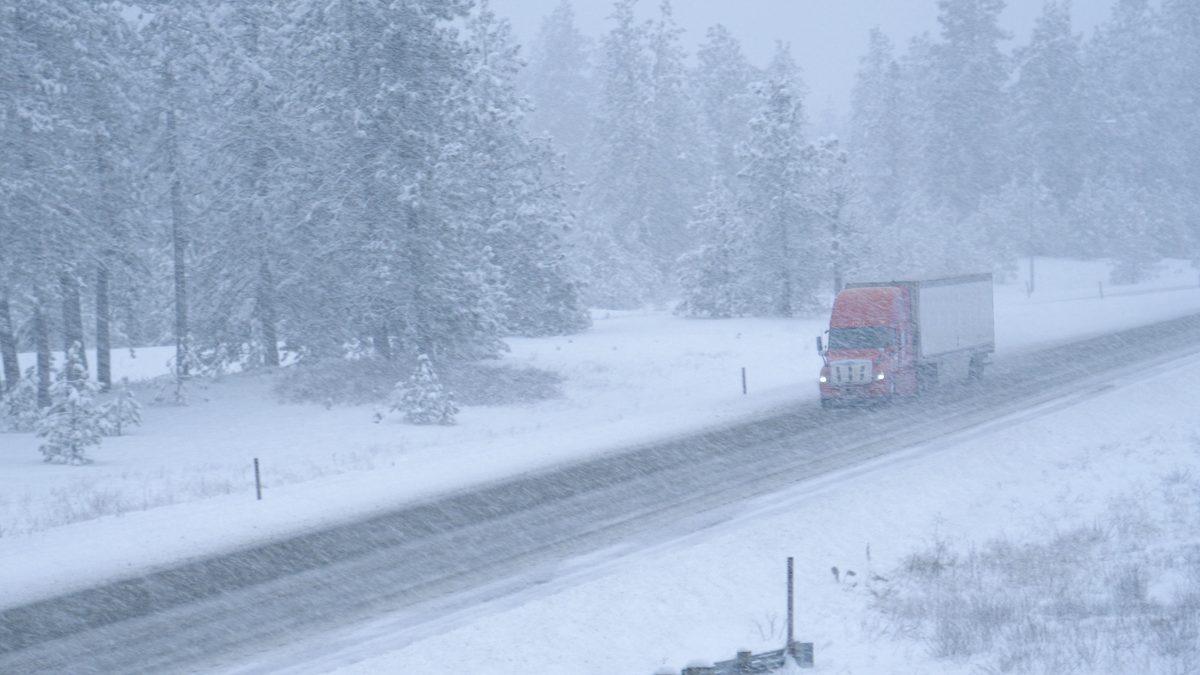
Hours-of-service rules themselves remain largely unchanged, but interpretation is tightening. The adverse driving conditions exception, frequently used during Maine’s harsh winters, will require clearer documentation. Carriers must log the specific weather event, route deviation, and safety justification. As of 2026, verbal explanations at the scale will no longer suffice; electronic records must support every claim.
For construction and heavy haul fleets moving oversized loads on secondary roads, these documentation requirements add administrative load. Many companies are turning to temporary CDL drivers from staffing partners who arrive already trained on current ELD platforms. This strategy keeps projects on schedule while permanent staff focuses on route planning and compliance.

Drug and Alcohol Testing Requirements in 2026
Drug and Alcohol Testing Requirements in 2026
Maine trucking regulations 2026 expand the pool of drivers subject to random testing and increase the annual testing rate for controlled substances. The state will adopt the latest FMCSA guidelines that include oral fluid testing as an approved method alongside urine screens.
Fleet managers should prepare for:
- Higher minimum random testing percentages (exact rates published annually by FMCSA)
- Mandatory return-to-duty protocols following any violation
- Clearer chain-of-custody standards for consortium testing
- Updated supervisor training on reasonable suspicion
Official rules and updates are published by the FMCSA Regulations.For more on this topic, see our guide on Providence freight hub developments 2026.Logistics companies that employ both Class A and Class B drivers will notice the biggest shift. Delivery van operators previously under lighter scrutiny now fall under the same random selection process as tractor-trailer drivers. This levels the compliance burden but raises overall program costs.
To manage expenses and maintain coverage, many Maine carriers partner with professional driver leasing firms. Highway Driver Leasing provides pre-screened, tested, and compliant CDL drivers so fleets avoid gaps during policy updates or increased testing volume. Call (800) 332-6620 to discuss flexible staffing options that align with your 2026 compliance calendar.
Entry-Level Driver Training and CDL Certification Changes
Entry-Level Driver Training and CDL Certification Changes
The ELDT rule, in effect since 2020, sees stronger verification and record-keeping requirements beginning in 2026. Training providers must upload completion data to the Training Provider Registry in real time, and carriers must confirm each new hire’s ELDT status before allowing unsupervised operation.
Practical impacts for Maine fleets include:
- Longer onboarding timelines for new CDL graduates
- Increased demand for approved training slots at Maine technical colleges and private providers
- Greater emphasis on behind-the-wheel hours specific to regional conditions (winter driving, logging roads, coastal routes)
- Mandatory record retention for at least three years
Construction companies launching new quarry or infrastructure projects will feel this pressure first. The limited supply of fully compliant entry-level drivers makes experienced leased drivers an attractive bridge. These professionals arrive with verified training records, current medical cards, and familiarity with Maine’s unique road and weather challenges.
Winter Weather, Bridge, and Hazardous Material Updates
For more on this topic, see our guide on Connecticut trucking news this quarter.Maine’s climate and infrastructure create additional regulatory layers. As of 2026, carriers should anticipate:
- Updated chain and traction device requirements with clearer enforcement windows
- Revised weight restrictions on secondary bridges with electronic pre-clearance mandates
- Enhanced hazardous material endorsement renewal procedures tied to TSA background checks
- New reporting thresholds for minor spills and equipment leaks
These rules affect everything from lumber transport in Aroostook County to fuel delivery along the coast. Fleets that treat compliance as a seasonal checklist rather than year-round practice expose themselves to sudden out-of-service violations when inspectors target winter-preparedness.
Proactive carriers are reviewing insurance riders, updating driver handbooks, and ensuring every leased or permanent driver carries current documentation. Highway Driver Leasing maintains a pool of Maine-experienced CDL drivers who understand these regional requirements and can step into compliant roles with minimal orientation.
Preparing Your Fleet for Maine Trucking Regulations 2026
Successful adaptation requires more than reading the updated manual. Fleet managers and HR leads should build a 2026 compliance roadmap that includes:
- Conduct a full audit of current ELD data, HOS logs, and testing records.
- Update driver handbooks and safety manuals before January 1.
- Schedule refresher training for dispatchers and supervisors on new documentation standards.
- Review lease agreements with staffing partners to confirm they meet 2026 requirements.
- Budget for potential increases in training, testing, and technology costs.
Companies that treat these regulations as an opportunity to strengthen their safety culture often see lower claims, better insurance rates, and improved driver retention. Those who wait until enforcement notices arrive typically pay more in both time and money.
The driver shortage across New England makes compliance even more challenging. When qualified CDL talent is scarce, the cost of a single compliance violation multiplies. Strategic use of temporary and permanent driver placement services helps maintain full rosters of DOT-compliant drivers while internal teams focus on long-term regulatory readiness.
Key Takeaways
- Maine trucking regulations 2026 tighten ELD enforcement, HOS documentation, drug testing rates, and ELDT verification.
- Winter weather exceptions and bridge weight rules will require better electronic records and pre-clearance procedures.
- Fleets that audit policies now and partner with experienced staffing providers will face fewer disruptions.
- Entry-level driver training bottlenecks will increase demand for pre-qualified, seasoned CDL drivers.
- Proactive compliance improves safety scores, insurance rates, and operational reliability across logistics and construction fleets.
New England carriers do not need to navigate these changes alone. Highway Driver Leasing delivers Class A and Class B CDL drivers who meet current DOT standards across Maine and the five surrounding states. Whether you need temporary coverage during audit season or permanent hires who already understand the latest regulations, our team can help.
Call (800) 332-6620 today to discuss how we can support your 2026 compliance and staffing goals.
Frequently Asked Questions
When do the new Maine trucking regulations 2026 officially take effect?
Most updates align with the federal calendar and become enforceable January 1, 2026, although some enforcement discretion periods may extend through Q2. Fleet managers should confirm exact dates with the Maine BMV and FMCSA.
Will hours-of-service rules change significantly under Maine trucking regulations 2026?
The core HOS limits stay the same, but documentation standards and exception approvals will tighten. Expect stricter review of short-haul, personal conveyance, and adverse weather exceptions.
How will expanded drug testing affect my fleet’s operating costs?
Testing volume and consortium fees may rise depending on your driver count and current violation rate. Many carriers offset these costs by using compliant leased drivers who arrive already enrolled in approved testing programs.
Can Highway Driver Leasing supply drivers who meet the 2026 standards?
Yes. All drivers placed by Highway Driver Leasing maintain current medical certificates, ELDT records, drug testing compliance, and familiarity with Maine-specific requirements. We can scale temporary or permanent placements to match your compliance timeline.