
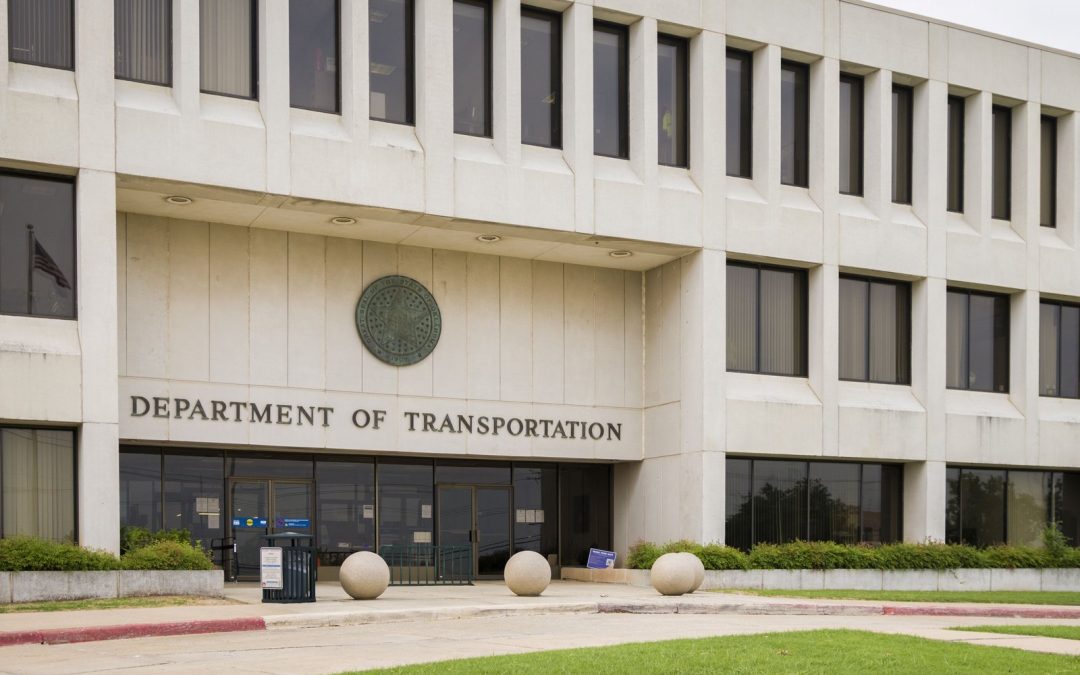
Fleet managers and logistics leaders in New Hampshire face a significant cost shift starting in 2026. The New Hampshire fuel tax 2026 increase will directly impact operating expenses for trucking companies, construction fleets, and delivery operations across the state. This update outlines the coming changes, their expected effects on your bottom line, and practical steps to prepare your CDL driver teams and routing strategies.
As of 2026, New Hampshire will adjust its motor fuel tax structure to address infrastructure funding gaps. While the exact rate is still under legislative review, current proposals point to an increase of several cents per gallon on both diesel and gasoline. These adjustments align with broader regional trends in New England, where states are balancing road maintenance needs against volatile fuel markets. For companies that rely on heavy-duty trucks and Class A drivers, even a modest per-gallon hike can add thousands of dollars in annual costs.
For more on this topic, see our guide on CDL driver staffing in New Hampshire.This article breaks down the timeline, financial implications, compliance considerations, and strategic responses available to New Hampshire-based fleets. Whether you manage a private fleet, run dedicated contract carriage, or depend on third-party logistics partners, understanding the New Hampshire fuel tax 2026 update is essential for accurate budgeting and competitive bidding.
In This Guide
- Timeline and Background of the New Hampshire Fuel Tax 2026 Changes
- Expected Financial Impact on Trucking and Logistics Operations
- Compliance and Reporting Requirements for Fleet Managers
- Strategic Adjustments to Offset Rising Fuel Costs
- Preparing Your Team and Budgets for 2026 and Beyond
- Key Takeaways
Timeline and Background of the New Hampshire Fuel Tax 2026 Changes
New Hampshire has historically maintained one of the lower fuel tax rates in the Northeast. The current rate stands at 22.2 cents per gallon for gasoline and 26.75 cents per gallon for diesel, rates that have remained relatively stable compared to neighboring states. However, declining fuel consumption due to improved vehicle efficiency and the rise of electric commercial vehicles have reduced revenue for the state’s highway trust fund.
For current federal guidance, see the New Hampshire DMV CDL information.Legislative discussions began gaining momentum in 2024, with transportation committees highlighting the need for additional revenue to repair aging bridges, expand freight corridors, and maintain winter road-clearing capacity. As of 2026, the New Hampshire fuel tax 2026 adjustment is expected to take effect on January 1, assuming final passage of the enabling legislation.
The proposed structure includes both a flat rate increase and potential indexing to inflation or the national highway construction cost index. Industry groups, including the New Hampshire Motor Transport Association, have participated in hearings to shape the final language. Their input focuses on protecting small carriers and ensuring that any revenue gains are strictly dedicated to transportation infrastructure rather than general spending.
For fleet operators, the key date to mark is the 2026 implementation. Fuel purchased after midnight on December 31, 2025, will likely be subject to the new rate at the wholesale level, with pass-through effects hitting your fuel cards and vendor invoices within days. Planning your 2026 budgets now, rather than in late 2025, gives you time to model different rate scenarios and adjust customer contracts accordingly.
Expected Financial Impact on Trucking and Logistics Operations
Expected Financial Impact on Trucking and Logistics Operations
The New Hampshire fuel tax 2026 increase will affect different fleet types in distinct ways. Long-haul carriers that traverse the state on I-93, I-89, and Route 101 may see the greatest exposure, while local construction and delivery fleets could experience more moderate but still noticeable effects.
For more on this topic, see our guide on New England ports expansion update.Industry estimates suggest that a 5-cent increase in the diesel tax would add roughly $1,250 to $2,000 per year for a typical Class A tractor that logs 100,000 miles annually in New Hampshire. For larger fleets operating 50 or more power units, the cumulative impact can easily exceed $100,000. These figures vary by employer and year based on actual mileage, fuel efficiency, and the final tax rate approved by the legislature.
Beyond the direct tax, secondary costs emerge. Fuel vendors may adjust their margin structures or administrative fees to cover new reporting requirements. Carriers that currently purchase fuel in lower-tax neighboring states may find cross-border optimization less effective once the New Hampshire differential narrows. This could force changes in fuel stop patterns, affecting both driver hours-of-service planning and overall route efficiency.
Construction companies with on-highway dump trucks and concrete mixers will also feel pressure. Many of these operations already operate on thin margins due to competitive bidding on state and municipal projects. The New Hampshire fuel tax 2026 hike may require revisiting bid formulas or negotiating fuel surcharges with general contractors. HR leaders responsible for driver recruitment should anticipate that higher operating costs could translate into pressure on driver compensation packages to maintain retention.
Logistics decision-makers should also consider the ripple effect on freight rates. Shippers may push back on rate increases, creating tension throughout the supply chain. Carriers that can demonstrate fuel-efficient equipment, optimized routing, and strong safety records will hold an advantage when justifying higher fees.
Compliance and Reporting Requirements for Fleet Managers
Compliance and Reporting Requirements for Fleet Managers
While the New Hampshire fuel tax 2026 primarily adjusts the per-gallon rate, it also brings updated compliance expectations. The New Hampshire Department of Revenue Administration will likely require more frequent or detailed fuel tax reporting from both in-state and out-of-state carriers.
Interstate operators who already file through the International Fuel Tax Agreement (IFTA) will see New Hampshire’s new rate reflected in their quarterly returns. Fleet managers should work with their tax compliance teams to update IFTA software and licensing records before the end of 2025. Failure to account for the rate change could trigger audits or penalties.
For more on this topic, see our guide on New England diesel emissions regulations 2026.For pure intrastate fleets, the state may introduce enhanced record-keeping rules around bulk fuel storage and dispensing. Companies that maintain on-site fuel tanks at terminals or construction yards will need to ensure metering equipment meets new accuracy standards and that inventory reconciliation processes can withstand scrutiny.
Official rules and updates are published by the FMCSA Regulations.HR and safety departments play an important supporting role. Drivers must receive updated training on fuel receipt documentation and proper use of fuel cards. Inaccurate or incomplete fuel logs remain one of the most common triggers for IFTA audits. Clear communication with your CDL workforce about the reasons behind the tax increase can also reduce frustration when fuel-related expenses rise.
Highway Driver Leasing recommends that clients review their current fuel management systems and consider technology upgrades. Telematics platforms that automatically capture fuel purchases by jurisdiction can significantly reduce administrative burden and improve accuracy as the New Hampshire fuel tax 2026 takes effect.
Strategic Adjustments to Offset Rising Fuel Costs
Strategic Adjustments to Offset Rising Fuel Costs
Smart fleet operators are already modeling multiple scenarios for the New Hampshire fuel tax 2026 impact. The most successful companies treat the tax increase as a catalyst for broader operational improvements rather than simply passing the cost to customers.
Route optimization stands out as a high-ROI response. Advanced routing software that factors real-time traffic, elevation changes, and fuel consumption can reduce miles driven in New Hampshire by 3 to 7 percent. When multiplied across an entire fleet, these savings help neutralize the tax hike.
Equipment modernization offers another lever. Newer tractors with aerodynamic improvements and advanced powertrains often achieve 1 to 2 miles per gallon better than units from five or ten years ago. While the capital investment is significant, the combination of fuel savings, lower maintenance costs, and improved driver satisfaction frequently delivers strong returns. Companies that lease drivers through partners like Highway Driver Leasing can often pair new equipment with fresh talent who are already trained on the latest safety and efficiency technologies.
For more on this topic, see our guide on Connecticut trucking news this quarter.Driver behavior programs also deliver measurable results. Regular coaching on idle reduction, progressive shifting, and optimal speed maintenance can improve fleet-wide fuel economy by 5 to 10 percent. When paired with incentive programs that reward top performers, these initiatives simultaneously address the fuel tax increase and help with driver retention.
Some fleets are exploring alternative fuel strategies. While full electrification remains challenging for many New Hampshire routes due to payload and distance requirements, renewable diesel and biodiesel blends may offer partial relief depending on final tax treatment under the 2026 rules. Logistics leaders should monitor legislative updates to determine whether these fuels receive favorable treatment.
Finally, consider your staffing model. Companies that maintain flexibility in their driver workforce can more easily adjust to changing route volumes or experiment with new equipment without long-term headcount commitments. Temporary and permanent driver placement services allow fleets to scale up or down as they test new efficiency initiatives in response to the tax change.
Preparing Your Team and Budgets for 2026 and Beyond
The New Hampshire fuel tax 2026 adjustment represents more than a line item on your expense report. It signals a continued trend of states looking to trucking and logistics to fund infrastructure improvements. Companies that treat this as a strategic planning exercise rather than a surprise cost will maintain stronger margins and more stable operations.
Begin by building multiple budget scenarios using different tax rate assumptions. Share these projections with both finance and operations teams so everyone understands the stakes. Update your fuel surcharge formulas and customer contracts to reflect the new reality. Most importantly, communicate transparently with your drivers about the changes and the steps you are taking to manage them.
As the implementation date approaches, stay connected to industry associations and state transportation departments for the latest guidance. Regulatory details can shift during final legislative language, so maintaining flexibility remains important.
Highway Driver Leasing stands ready to support New Hampshire fleets through this transition. Whether you need additional Class A or Class B drivers on a temporary basis while you optimize routes, or seek permanent placements with professionals who understand fuel-efficient driving practices, our network across all six New England states can help. Call (800) 332-6620 to discuss how we can strengthen your driver workforce as you navigate the New Hampshire fuel tax 2026 changes.
Key Takeaways
- The New Hampshire fuel tax 2026 increase is scheduled to take effect January 1, 2026, with the final rate still subject to legislative approval.
- Fleets should expect added annual costs ranging from several hundred to several thousand dollars per truck depending on mileage and the ultimate tax adjustment.
- Compliance will require updates to IFTA filing procedures, fuel documentation standards, and internal training programs for CDL drivers.
- Strategic responses including route optimization, equipment upgrades, driver coaching, and flexible staffing models can help offset the financial impact.
- Early planning and clear communication with both customers and drivers will separate industry leaders from those caught off guard by the change.
Frequently Asked Questions
When does the New Hampshire fuel tax 2026 increase take effect?
Current legislative proposals target a January 1, 2026 effective date. Fleet operators should monitor official announcements from the New Hampshire Department of Revenue Administration for any adjustments to this timeline.
How much will the New Hampshire fuel tax 2026 add to my annual operating costs?
The exact impact depends on the final tax rate, your fleet size, and average miles driven within the state. A typical tractor logging 100,000 miles per year could see an increase of $1,250 to $2,500 annually, though figures vary by employer and year.
Will the New Hampshire fuel tax 2026 changes affect IFTA reporting?
Yes. Interstate carriers will see the updated rate reflected in their quarterly IFTA returns. Updating your software and reviewing record-keeping procedures before the end of 2025 is strongly recommended to avoid compliance issues.
How can my company prepare drivers for the operational changes tied to the New Hampshire fuel tax 2026?
Focus on fuel-efficiency training, updated route planning protocols, and clear communication about the reasons for any changes in compensation or incentives. Partnering with a driver staffing provider can also supply experienced CDL professionals who already practice efficient operating habits.
Ready to strengthen your New Hampshire fleet ahead of the 2026 fuel tax changes? Call Highway Driver Leasing at (800) 332-6620 today.