
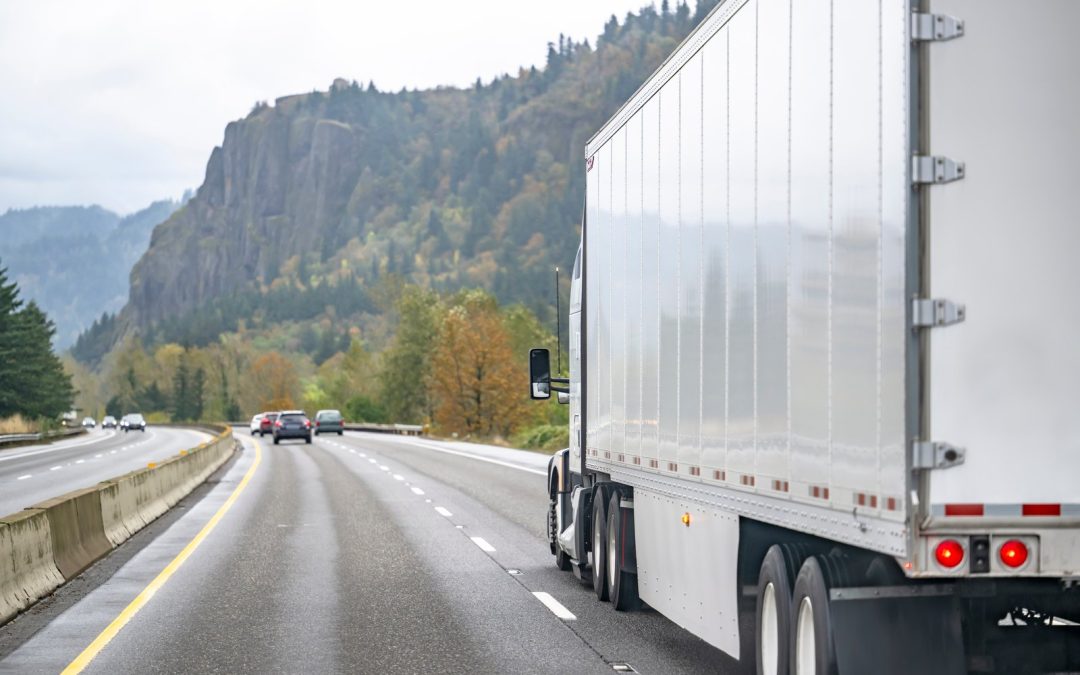
New England diesel emissions regulations 2026 will bring some of the strictest tailpipe and idling standards the region has seen. Fleet managers and HR leads responsible for transportation and construction operations should begin planning now to avoid compliance gaps, unexpected downtime, and rising operational costs.
The updates stem from coordinated efforts by the EPA and individual state environmental agencies to cut nitrogen oxides, particulate matter, and greenhouse gas emissions from heavy-duty diesel vehicles. As of 2026, carriers operating in Massachusetts, Connecticut, Rhode Island, New Hampshire, Vermont, and Maine will face tighter engine certification rules, expanded low-emission zones, and stricter anti-idling enforcement. This article breaks down the key changes, timelines, and practical steps fleet operators can take to stay ahead.
In This Guide
- Why New England Is Tightening Diesel Emissions Rules
- Timeline and Key Compliance Dates for 2026
- Impact on Fleet Operations and Driver Requirements
- Practical Steps to Prepare Your Fleet for 2026
- How Highway Driver Leasing Supports Compliance Efforts
- Key Takeaways
Why New England Is Tightening Diesel Emissions Rules
For more on this topic, see our guide on driver staffing across New England.New England states have consistently ranked among the most aggressive in the nation on air quality. Regional geography, dense population centers, and proximity to major freight corridors amplify the impact of diesel exhaust. State regulators cite public health data showing elevated respiratory issues in urban corridors from Boston to Hartford and along the I-95 corridor.
For current federal guidance, see the FMCSA Regulations.As of 2026, the region is aligning more closely with California’s Advanced Clean Trucks framework while adapting rules to local infrastructure realities. The goal is a measurable drop in NOx and PM2.5 by 2030. For fleet operators, this means earlier retirement of older power units, increased use of diesel particulate filters and selective catalytic reduction systems that actually work, and greater scrutiny on how and where trucks idle.
Transportation and logistics companies that delay preparation risk fines, registration blocks, and lost bids on public-sector contracts that now require documented emissions compliance. Construction firms face similar pressure as municipalities tie project awards to green fleet certifications.
Timeline and Key Compliance Dates for 2026
Timeline and Key Compliance Dates for 2026
For more on this topic, see our guide on Rhode Island trucking regulations 2026.The regulatory rollout is staggered to give fleets time to adjust, but several deadlines hit hard in 2026.
- January 1, 2026: All new Class 4 through Class 8 vehicles sold or registered in New England must meet the latest EPA heavy-duty greenhouse gas Phase 2 standards plus state-specific NOx limits. Massachusetts and Connecticut adopt the strictest NOx caps; Vermont and Maine follow with slightly adjusted thresholds for rural routes.
- July 1, 2026: Expanded low-emission freight zones take effect in Boston, Providence, Hartford, and Portland metro areas. Diesel trucks without verified after-treatment systems may face daytime access restrictions or higher tolls.
- October 1, 2026: Mandatory reporting begins for fleets of 10 or more power units. Operators must submit annual emissions inventories through each state’s online portal. Failure to file triggers automatic penalties that increase each quarter.
Figures vary by employer and year, but early compliance modeling from regional logistics associations projects a 12–18 percent rise in average fleet acquisition costs through 2028 as cleaner engines command premium pricing. Used truck values for pre-2021 models are already softening in anticipation of these rules.
Highway Driver Leasing has supported carriers across the six-state region through similar transitions by supplying DOT-compliant CDL drivers trained on new equipment and emissions systems. Early engagement with staffing partners helps fleets maintain productivity while retooling equipment rosters.
Impact on Fleet Operations and Driver Requirements
Impact on Fleet Operations and Driver Requirements
Official rules and updates are published by the Bureau of Transportation Statistics freight data.For more on this topic, see our guide on New England LTL market trends 2026.New equipment brings new maintenance and operational realities. Diesel engines meeting 2026 standards rely on higher-pressure fuel systems, more sophisticated EGR loops, and larger DEF tanks. Fleet managers should expect:
- 4–7 percent lower fuel economy in real-world conditions compared with 2021–2024 models, especially in stop-and-go urban delivery.
- Increased DEF consumption that adds roughly $0.02–$0.04 per mile depending on route and load.
- More frequent regeneration cycles that can interrupt tight construction or delivery schedules if not managed.
Drivers will need refresher training on new dashboard alerts, proper DEF filling procedures, and techniques to minimize unnecessary idling. Carriers that rely on temporary or contract drivers should verify that their staffing providers can supply personnel already familiar with 2025–2026 emissions technology. Non-compliance during roadside inspections can now result in out-of-service orders within minutes rather than warnings.
For HR leads, the driver shortage becomes more acute when equipment changes require additional skills. Turnover often spikes when older drivers resist new technology. Partnering with a specialized CDL staffing firm that recruits and vets drivers experienced with modern emissions systems can reduce onboarding time and lower violation rates.
Practical Steps to Prepare Your Fleet for 2026
Practical Steps to Prepare Your Fleet for 2026
For more on this topic, see our guide on Rhode Island port expansion update 2026.Fleet operators do not need to overhaul their entire roster overnight. A phased approach works best.
-
Conduct a full fleet inventory by the end of Q3 2025. Identify every power unit by model year, engine family, and current emissions certification level. Flag any 2010–2016 engines that will likely need replacement or repowering before 2027.
-
Model total cost of ownership for both diesel and alternative-fuel options. While battery-electric and hydrogen trucks receive attention, most regional hauls still favor diesel or renewable diesel blends for the next five to seven years. Factor in available state incentives for early adoption of low-NOx engines.
-
Update maintenance contracts and technician training. Shops must be equipped to service the newest after-treatment systems. Budget for higher parts costs and longer diagnostic times.
-
Review routing and terminal practices. Relocate idling-heavy operations outside low-emission zones where possible. Install shore-power units or automatic engine shutoff timers at loading docks.
-
Strengthen partnerships with CDL staffing providers. Ensure your driver pipeline includes personnel who have completed emissions-systems training and understand the importance of daily DEF checks and regen management.
Construction companies bidding on state-funded infrastructure projects should request emissions compliance language in every RFP response starting now. Logistics firms serving retail and manufacturing clients are already being asked for carbon-intensity scores on inbound freight.
How Highway Driver Leasing Supports Compliance Efforts
Highway Driver Leasing provides Class A and Class B CDL drivers across Massachusetts, Connecticut, Rhode Island, New Hampshire, Vermont, and Maine. The company specializes in rapid placement of drivers who meet current DOT standards and have demonstrated experience with 2024–2025 emissions-compliant equipment. Whether you need temporary coverage during fleet transition periods or long-term drivers who will treat new technology as standard operating procedure, the team can scale with your needs.
Call (800) 332-6620 to discuss your projected driver requirements for 2026 and learn how pre-vetted, compliant drivers can help protect your operation from both emissions violations and service interruptions.
Key Takeaways
- New England diesel emissions regulations 2026 introduce tighter NOx and PM limits, low-emission zones, and mandatory annual reporting beginning in January, July, and October 2026.
- Fleets should expect higher upfront equipment costs, modest increases in operating expenses, and greater emphasis on driver training for emissions-related systems.
- Early inventory, maintenance planning, and routing adjustments will reduce the risk of fines and out-of-service orders.
- Partnering with experienced CDL staffing providers helps maintain service levels while older equipment is phased out.
- Proactive compliance now positions carriers to capture public-sector contracts and meet growing customer demands for lower-emission freight.
Frequently Asked Questions
When do the new low-emission freight zones begin in New England?
Most major metro areas activate expanded low-emission freight zones on July 1, 2026. Exact boundaries and access rules differ by city; fleet managers should check each state’s environmental agency website for maps and permitting details.
Will older diesel trucks be banned outright in 2026?
No outright ban exists for pre-2026 trucks, but they will face increasing restrictions inside low-emission zones and may become ineligible for certain government contracts. Roadside emissions testing intensity is also expected to rise.
How much will compliance add to annual fleet costs?
Industry estimates project a 12–18 percent increase in average equipment acquisition costs and a 4–8 percent rise in per-mile operating expenses through 2028, though exact figures vary by fleet size, mileage, and fuel type.
Can temporary drivers from a staffing company meet the new emissions training requirements?
Yes, when the staffing partner specifically vets for experience with 2025–2026 emissions technology. Highway Driver Leasing maintains a pool of drivers who have completed manufacturer-specific training on DEF systems, regen cycles, and related dashboard protocols.