
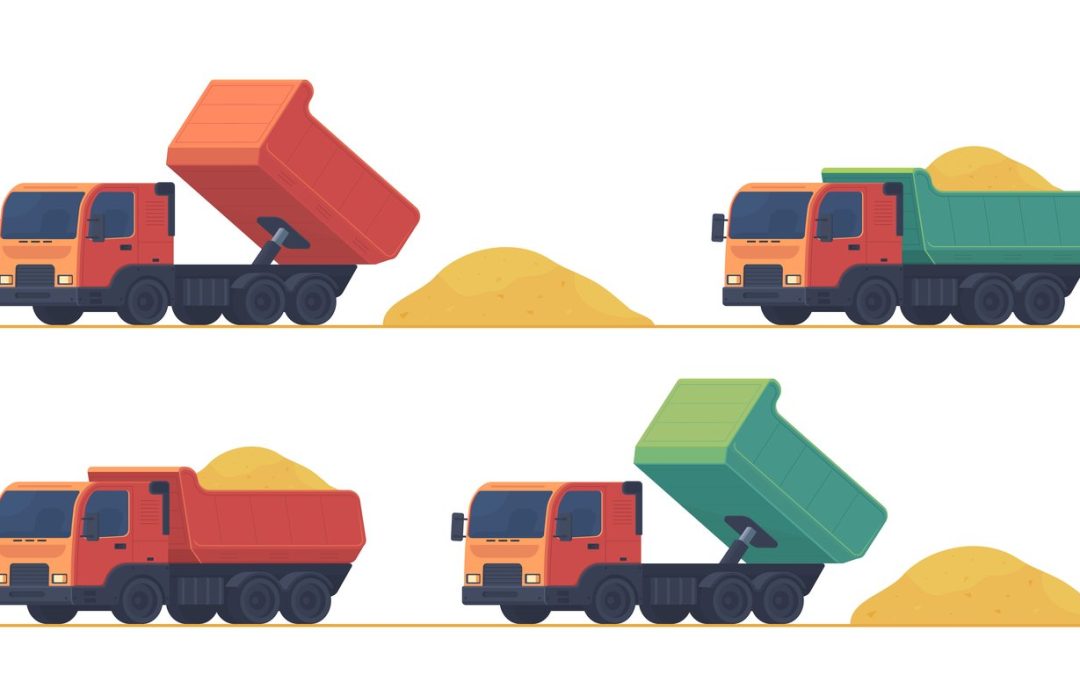
Getting your CDL Class B license in Vermont opens doors to stable, well-paying driving jobs across the state and throughout New England. Whether you want to drive straight trucks, box trucks, dump trucks, or school buses, a Class B commercial driver’s license is your ticket to a reliable career in transportation, construction, and logistics.
This step-by-step guide walks you through the entire process from start to finish. Follow these instructions carefully, and you will be behind the wheel with your Vermont CDL Class B faster than you expect.
In This Guide
- Why Choose a CDL Class B License in Vermont
- Step 1: Determine Your Eligibility for a CDL Class B in Vermont
- Step 2: Complete Entry-Level Driver Training (ELDT)
- Step 3: Study the Vermont Commercial Driver Handbook
- Step 4: Pass the Required Written Knowledge Tests
- Step 5: Schedule and Pass Your Skills Test
- Step 6: Obtain Your Vermont CDL Class B License
- Additional Endorsements That Increase Your Opportunities
- Maintaining Your CDL Class B License in Vermont
- Common Mistakes to Avoid When Getting Your CDL Class B in Vermont
- How Highway Driver Leasing Helps New CDL Holders
- Key Takeaways
Why Choose a CDL Class B License in Vermont
For more on this topic, see our guide on CDL driver staffing in Vermont.A Class B CDL allows you to operate vehicles with a gross vehicle weight rating (GVWR) of 26,001 pounds or more while towing a trailer that does not exceed 10,000 pounds. This covers many of the most common commercial vehicles used every day in Vermont.
For current federal guidance, see the Vermont DMV CDL information.Local employers need Class B drivers for roles such as:
– Delivery truck operators
– Dump truck drivers in construction
– School bus and shuttle drivers
– Municipal and utility fleet positions
Vermont’s strong agriculture, tourism, and construction sectors create steady demand for qualified Class B drivers. The license also serves as an excellent stepping stone. Many drivers begin with Class B experience and later upgrade to a Class A CDL for even higher earning potential.
Highway Driver Leasing regularly places both Class A and Class B drivers with reputable carriers across Vermont and the rest of New England. If you are ready to put your new license to work, we can help match you with the right opportunity.
Step 1: Determine Your Eligibility for a CDL Class B in Vermont
Step 1: Determine Your Eligibility for a CDL Class B in Vermont
Before you invest time and money, make sure you qualify.
You must:
– Be at least 18 years old for intrastate driving (within Vermont only)
– Be at least 21 years old for interstate driving or to haul hazardous materials
– Hold a valid Vermont driver’s license
– Have a clean driving record (serious violations can disqualify you)
– Pass a DOT physical and receive a Medical Examiner’s Certificate
– Be able to read, speak, and understand English well enough to complete tests and communicate with law enforcement
If you have any previous CDL suspensions, disqualifications, or major traffic violations, check with the Vermont DMV before proceeding. Certain criminal convictions may also affect your ability to obtain a CDL.
Step 2: Complete Entry-Level Driver Training (ELDT)
For more on this topic, see our guide on CDL permit test Vermont.Since February 2022, the FMCSA requires all new CDL applicants to complete Entry-Level Driver Training from an approved provider. This is a mandatory step you cannot skip.
For a Class B license, your training must cover:
– Basic control skills
– Safe driving practices
– Vehicle inspection procedures
– Hours-of-service rules
– Cargo securement
– Passenger or hazmat endorsement topics if applicable
Choose a Vermont-approved training school that offers both theory and behind-the-wheel instruction. Many community colleges and private truck driving schools in the state now provide ELDT-compliant programs. Keep your training certificate; you will need it when you apply for your CDL.
Step 3: Study the Vermont Commercial Driver Handbook
Download the latest Vermont Commercial Driver Handbook from the Vermont DMV website. Focus especially on sections that apply to Class B vehicles, including:
– Vehicle inspection procedures
– Air brake systems (most Class B vehicles use air brakes)
– Cargo securement
– Emergency procedures
– Vermont-specific rules and regulations
Official rules and updates are published by the FMCSA CDL Testing Standards.Read the material thoroughly. Many successful applicants spend at least two weeks studying before attempting the written tests. Free online practice tests that mirror the Vermont DMV exams can help you identify weak areas.
Step 2: Complete Entry-Level Driver Training (ELDT)
Step 4: Pass the Required Written Knowledge Tests
Visit your local Vermont DMV office to take the written exams. For a basic Class B CDL you will need to pass:
1. The general knowledge test
2. The air brakes test (if your vehicle is equipped with air brakes)
If you plan to haul hazardous materials, transport passengers, or operate school buses, you must pass additional endorsement tests.
For more on this topic, see our guide on hazmat endorsement in Connecticut.Bring the following to the DMV:
– Your current Vermont driver’s license
– Proof of ELDT completion (training certificate)
– Medical Examiner’s Certificate (long form)
– Proof of identity and residency (additional documents may be required)
– Payment for testing and licensing fees
You must score at least 80% on each required test. If you fail, you can usually retake the test after a short waiting period. Study the air brake section carefully; many first-time applicants fail this portion.
Step 5: Schedule and Pass Your Skills Test
Once you pass the written exams, you can schedule your CDL skills test. This consists of three parts:
– Pre-trip vehicle inspection
– Basic control skills (backing, parking)
– On-road driving test
You must supply a safe, legal Class B vehicle for the test. The vehicle must match the class you are applying for and be in proper working condition. Many training schools offer rental vehicles for testing if you do not have access to one.
The examiner will evaluate your ability to:
– Conduct a thorough pre-trip inspection
– Demonstrate proper backing maneuvers
– Control the vehicle safely in traffic
– Follow all traffic laws and safety procedures
Take the test seriously. Arrive early, dress professionally, and stay calm. If you fail any portion, you will need to reschedule and pay the fee again.
Step 6: Obtain Your Vermont CDL Class B License
After passing all tests, you will receive a temporary paper license. Your permanent plastic CDL will arrive in the mail within a few weeks. Make sure all information is correct when you receive it.
Details and the latest requirements are available through the ELDT Training Provider Registry.For more on this topic, see our guide on hazmat endorsement in New Hampshire.At this point you officially hold your CDL Class B license in Vermont. You can now legally operate qualifying commercial vehicles within the state (and across state lines if you are 21 or older and meet all other requirements).
Step 3: Study the Vermont Commercial Driver Handbook
Additional Endorsements That Increase Your Opportunities
Many Vermont employers look for drivers with endorsements. Consider adding these while your knowledge is fresh:
– Passenger (P) endorsement for bus or shuttle work
– School Bus (S) endorsement for education transportation
– Hazardous Materials (H) endorsement for specialized freight
Each endorsement requires additional study and testing. The hazmat endorsement also involves a federal background check and TSA approval.
Maintaining Your CDL Class B License in Vermont
Your CDL is not a set-it-and-forget-it credential. To stay compliant:
– Renew your license before it expires (every 4 years in Vermont)
– Complete required medical exams every 24 months (or more frequently if directed)
– Report any traffic violations or license suspensions within 30 days
– Keep your medical certificate current and on file with the DMV
– Stay up to date with continuing education and safety training
Violations such as DUI, reckless driving, or serious accidents can result in disqualification from operating commercial vehicles for months or years.
Common Mistakes to Avoid When Getting Your CDL Class B in Vermont
New applicants often stumble on these points:
– Failing to complete ELDT before testing
– Under-preparing for the air brakes knowledge test
– Using a vehicle that does not match the desired class during the skills test
– Letting their medical certificate expire before renewal
– Not understanding Vermont’s specific rules for seasonal weight limits and bridge restrictions
Take time to prepare properly. Rushing through the process usually leads to failed tests and extra expense.
How Highway Driver Leasing Helps New CDL Holders
Once you have your CDL Class B license in Vermont, the next step is putting it to work. Highway Driver Leasing specializes in matching qualified CDL drivers with both temporary and permanent positions throughout New England. We work with carriers who value safe, professional drivers and offer competitive pay, flexible schedules, and consistent routes.
Whether you prefer local daily routes, construction work, or seasonal opportunities, our team can connect you with employers who need your skills right now. Many drivers we place start with Class B positions and later upgrade their licenses while earning steady income.
If you have recently earned your CDL Class B or are close to finishing the process, call us today. We can discuss current openings that match your experience and location preferences.
Call (800) 332-6620 to speak with a recruiter about available Class B driving opportunities in Vermont and across New England.
Key Takeaways
- A CDL Class B license in Vermont requires completing FMCSA-approved ELDT, passing written tests, and demonstrating vehicle control in a skills exam.
- Study the air brake system thoroughly; it is one of the most challenging sections for new applicants.
- Always use a properly equipped Class B vehicle for your skills test to avoid automatic failure.
- Consider adding endorsements such as Passenger or Hazardous Materials to increase your job options and earning potential.
- Once licensed, partner with experienced staffing agencies like Highway Driver Leasing to find consistent work without the hassle of job hunting.
Frequently Asked Questions
How long does it take to get a CDL Class B license in Vermont?
Most motivated students complete the full process in 4 to 8 weeks. This includes Entry-Level Driver Training, study time, testing, and DMV processing. Factors that affect timing include training school schedules and your ability to pass tests on the first attempt.
Do I need to attend a commercial driving school to get my CDL Class B in Vermont?
You must complete approved Entry-Level Driver Training. While some experienced drivers qualify for limited exceptions, most new applicants attend a certified school or training program that provides both classroom and behind-the-wheel instruction.
What is the minimum age to get a CDL Class B license in Vermont?
You must be 18 to drive commercially within Vermont. You must be 21 years old to operate across state lines or to transport hazardous materials. Most employers prefer drivers who are at least 21 so they have full flexibility.
Can I use my Vermont CDL Class B license in other New England states?
Yes. Your Vermont CDL is valid in Massachusetts, Connecticut, Rhode Island, New Hampshire, and Maine under the interstate CDL compact. You must still follow each state’s specific rules regarding weight limits, bridge restrictions, and endorsement requirements.