
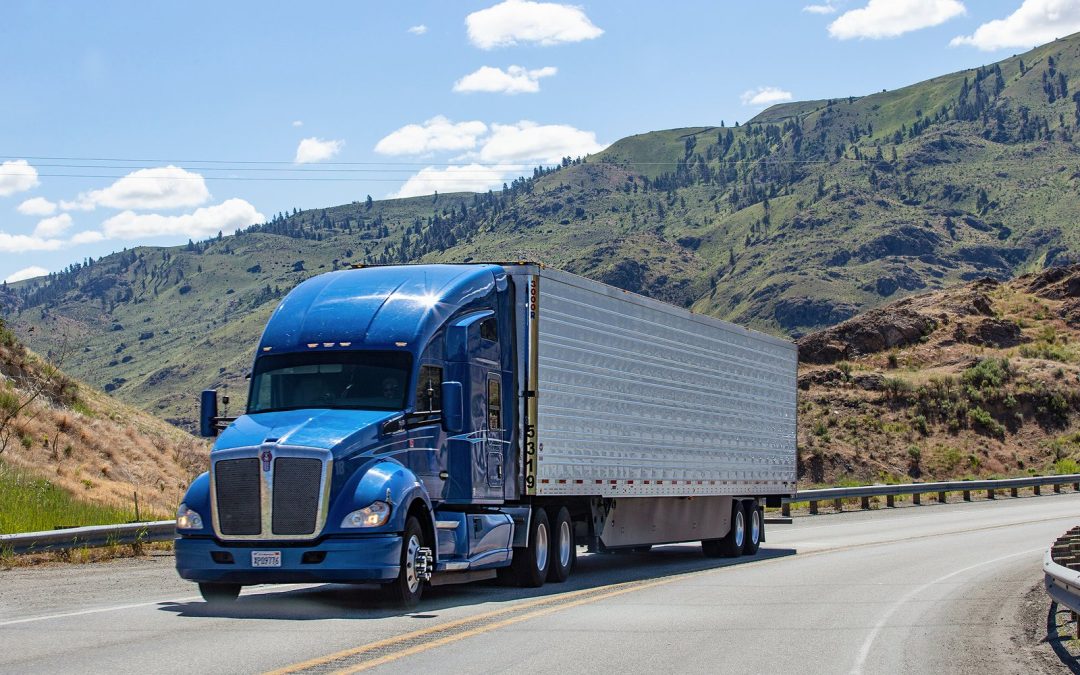
Fleet managers and logistics leaders operating in New Hampshire need to prepare for significant changes to commercial vehicle weight regulations. The New Hampshire truck weight laws update, scheduled to take effect as of 2026, will adjust maximum gross vehicle weights on state highways and introduce new compliance requirements for carriers. These adjustments aim to align state rules more closely with neighboring New England states while addressing infrastructure wear and safety concerns.
This article breaks down the key elements of the upcoming New Hampshire truck weight laws update, what fleet operators should expect, and practical steps to maintain compliance without disrupting operations. Whether you run a regional trucking fleet, manage construction hauls, or oversee last-mile delivery, understanding these changes now will help you avoid fines and keep your trucks rolling.
In This Guide
- Overview of Current New Hampshire Truck Weight Limits
- What Changes in the 2026 New Hampshire Truck Weight Laws Update
- Impact on Fleet Operations and Driver Requirements
- Preparing Your Fleet for the 2026 Changes
- Key Takeaways
Overview of Current New Hampshire Truck Weight Limits
For more on this topic, see our guide on CDL driver staffing in New Hampshire.New Hampshire currently follows a standard set of weight limits that have remained largely unchanged for over a decade. Under existing rules, the maximum gross vehicle weight for a standard five-axle tractor-trailer combination is 80,000 pounds on most interstate and state highways. Single-axle limits typically cap at 20,000 pounds, tandem axles at 34,000 pounds, and tridem axles at 42,000 pounds, depending on axle spacing and bridge formulas.
For current federal guidance, see the New Hampshire DMV CDL information.These figures vary by employer, route, and specific vehicle configuration. Carriers hauling heavy construction materials or bulk commodities often rely on overweight permits for loads exceeding these thresholds. The New Hampshire Department of Transportation (NHDOT) issues these permits on a per-trip or annual basis, with additional fees and routing restrictions.
Local roads and certain bridges carry even stricter limits, sometimes dropping maximum gross weights to 60,000 pounds or less. Fleet managers must constantly monitor route approvals, especially in rural areas where infrastructure upgrades lag behind demand. Non-compliance can result in out-of-service orders, civil penalties, and increased insurance premiums.
For companies that depend on consistent driver availability to meet these weight and routing requirements, access to a reliable pool of CDL talent becomes critical. Highway Driver Leasing provides both temporary and permanent Class A and Class B drivers across New Hampshire and the five other New England states, helping fleets maintain compliance during periods of high demand or regulatory transition.
What Changes in the 2026 New Hampshire Truck Weight Laws Update
What Changes in the 2026 New Hampshire Truck Weight Laws Update
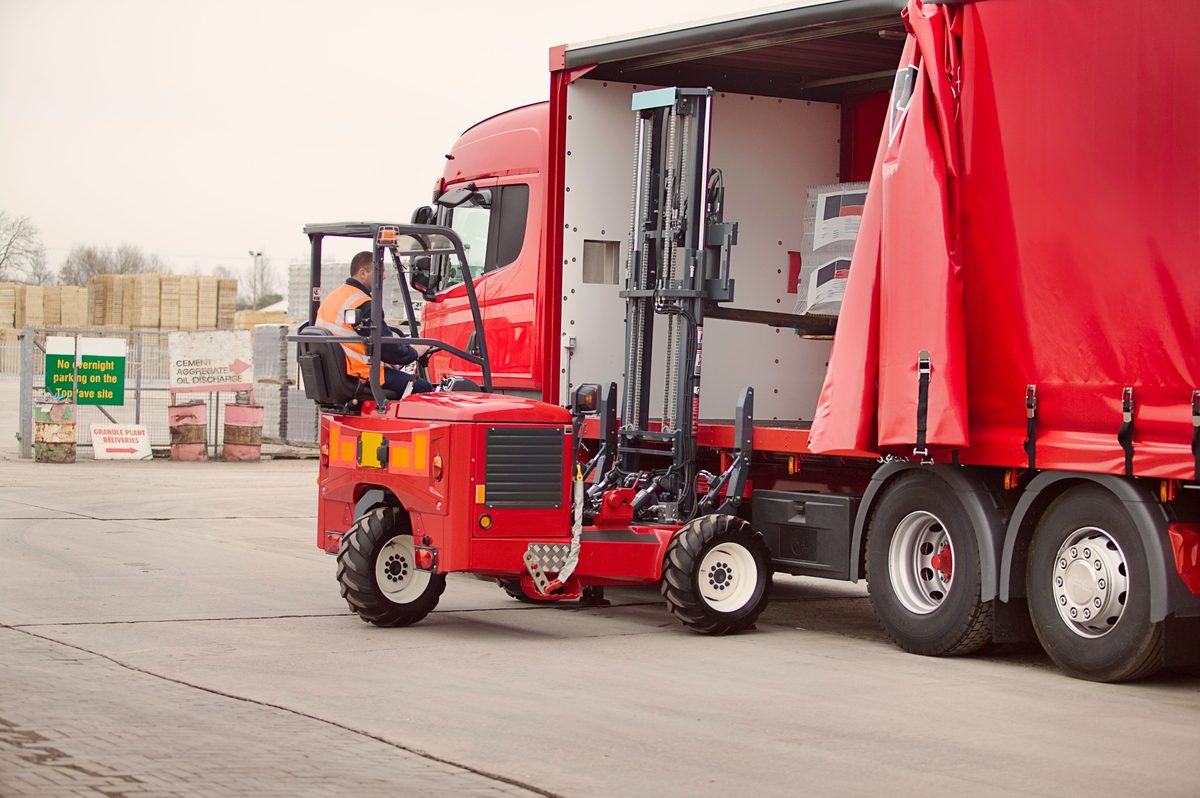
For more on this topic, see our guide on New England LTL market trends 2026.The New Hampshire truck weight laws update, expected to roll out in phases beginning January 1, 2026, introduces several notable adjustments. State lawmakers and transportation officials have signaled an increase in allowable gross vehicle weight to 88,000 pounds for certain six-axle configurations on designated corridors. This brings New Hampshire in line with weight tolerances already permitted in neighboring Maine and Vermont on select routes.
Additional provisions include updated bridge formulas that account for modern tire technology and suspension systems. The revised formula is projected to allow marginal weight increases on tandem and tridem axles without compromising structural integrity. However, these gains will only apply to vehicles equipped with approved axle spacing and electronic braking systems.
The update also expands the definition of “heavy haul” corridors. Several secondary state routes previously restricted to 73,000 pounds will see their limits raised to 80,000 pounds year-round, provided carriers install onboard weight-monitoring technology. This requirement reflects a broader industry trend toward data-driven compliance and real-time load verification.
Seasonal weight restrictions on frost-sensitive roads will remain in place but will be adjusted based on improved weather modeling. Spring thaw periods may shorten in some regions, potentially increasing the number of viable hauling days for construction and logging fleets. Figures vary by employer and year, so logistics teams should build flexibility into annual planning.
For more on this topic, see our guide on Providence freight hub developments 2026.Another key element involves stricter enforcement through expanded use of weigh-in-motion (WIM) sensors. By 2027, NHDOT plans to activate additional WIM sites along major freight corridors, including segments of Routes 101, 3, and 93. Carriers that repeatedly exceed new weight thresholds could face graduated penalties and possible loss of permit privileges.
These regulatory shifts represent both opportunity and risk. Fleets equipped to handle higher payloads may see improved efficiency and lower per-ton transportation costs. Those that delay modernization of equipment or driver training could face productivity losses as competitors capitalize on the new limits.
Impact on Fleet Operations and Driver Requirements
Impact on Fleet Operations and Driver Requirements
Official rules and updates are published by the U.S. Department of Transportation.The New Hampshire truck weight laws update will directly affect how fleet managers schedule loads, spec equipment, and staff their operations. Higher allowable weights mean heavier cargo per trip, which can reduce the total number of loads required to fulfill customer orders. However, this also increases stress on tires, brakes, and drivetrains, necessitating more proactive maintenance schedules.
Drivers will need updated training on load distribution, axle-weight calculations, and the use of electronic logging devices (ELDs) integrated with weight sensors. Even experienced CDL holders may require refresher courses to avoid inadvertent violations under the new formulas. Companies that partner with professional staffing providers can quickly access drivers who already hold endorsements and have recent experience with heavier configurations common in neighboring states.
For more on this topic, see our guide on winter storm logistics impact NE.Construction and aggregate haulers stand to benefit significantly. The ability to carry additional tons of material per load could accelerate project timelines and reduce fuel consumption per ton-mile. Logistics coordinators should begin modeling new load plans now to identify which routes and customer locations will see the greatest gains once the 2026 rules take effect.
On the compliance side, expect increased scrutiny during roadside inspections. Officers will receive updated training on the revised bridge formulas and will likely focus on vehicles operating near the new maximum weights. Maintaining accurate weight tickets, axle-spacing documentation, and driver qualification files will become even more important for defending against citations.
For HR leads and fleet managers struggling to find qualified drivers familiar with New England’s variable weight regulations, external staffing support offers a practical solution. Highway Driver Leasing specializes in supplying DOT-compliant CDL drivers who can step into both short-term surges and long-term placements, ensuring your operation stays fully staffed through this regulatory transition. Call (800) 332-6620 to discuss your specific driver needs in New Hampshire and beyond.
Preparing Your Fleet for the 2026 Changes
Successful adaptation to the New Hampshire truck weight laws update requires a structured approach. Begin by auditing your current equipment against the proposed axle and gross weight standards. Identify which tractors and trailers can accommodate the higher limits with minor modifications and which will require significant investment or replacement.
Next, update routing software and GPS systems to reflect the expanded heavy-haul corridors. Many fleet management platforms can incorporate the new weight tables once they are finalized by NHDOT. Early integration will prevent drivers from being routed onto roads that remain restricted even after the 2026 changes.
Review and revise your driver training curriculum. Incorporate modules on the updated bridge formula, proper use of onboard scales, and documentation requirements for overweight permits. Consider partnering with local community colleges or third-party trainers who are already preparing materials aligned with the forthcoming regulations.
Budget for potential increases in permit fees and insurance premiums. While higher weights can improve efficiency, they also raise the financial exposure in the event of an incident. Consult with your insurance provider to understand how the new limits may affect your premiums and what risk-mitigation steps they recommend.
Finally, assess your driver bench strength. The combination of higher payloads and stricter enforcement will place greater responsibility on each operator. Having access to pre-screened, compliant drivers can prevent service interruptions when full-time staff need additional training or when seasonal demand spikes. Highway Driver Leasing maintains a robust network of Class A and Class B drivers throughout New England, allowing you to scale your workforce quickly as the regulatory landscape evolves.
Key Takeaways
- The New Hampshire truck weight laws update will raise maximum gross weights to 88,000 pounds for qualified six-axle vehicles on designated corridors beginning in 2026.
- Bridge formulas and axle spacing requirements will change, rewarding fleets that invest in modern equipment and weight-monitoring technology.
- Enforcement will intensify through additional weigh-in-motion sensors, making accurate documentation and driver training more important than ever.
- Construction, aggregate, and bulk commodity haulers stand to gain the most from the increased payloads, provided they adapt operations in advance.
- Partnering with experienced CDL staffing providers can help maintain compliance and service levels during the transition period.
Fleet managers who treat the New Hampshire truck weight laws update as a strategic opportunity rather than a compliance burden will position their operations for greater efficiency in the years ahead. Start planning today so your team is ready when the new limits take effect.
Frequently Asked Questions
When does the New Hampshire truck weight laws update officially begin?
The primary changes are scheduled to take effect as of January 1, 2026, with some enforcement elements rolling out through 2027. Fleet operators should monitor NHDOT announcements for exact implementation dates.
Will all New Hampshire roads see higher weight limits under the 2026 update?
No. Increases will apply only to designated heavy-haul corridors and routes with adequate bridge ratings. Local roads and certain restricted bridges will continue to operate under lower limits.
Do drivers need additional endorsements to haul at the new higher weights?
While no new CDL endorsements are required, drivers will need training on updated load calculations, bridge formulas, and electronic weight systems. Carriers should document this training as part of their safety management systems.
How can my company prepare drivers for the New Hampshire truck weight laws update?
The most effective approach combines equipment upgrades, revised training programs, and access to additional qualified drivers during the transition. Highway Driver Leasing can supply experienced CDL professionals who are already familiar with varying weight regulations across New England. Call (800) 332-6620 to discuss staffing options tailored to your fleet’s needs.