
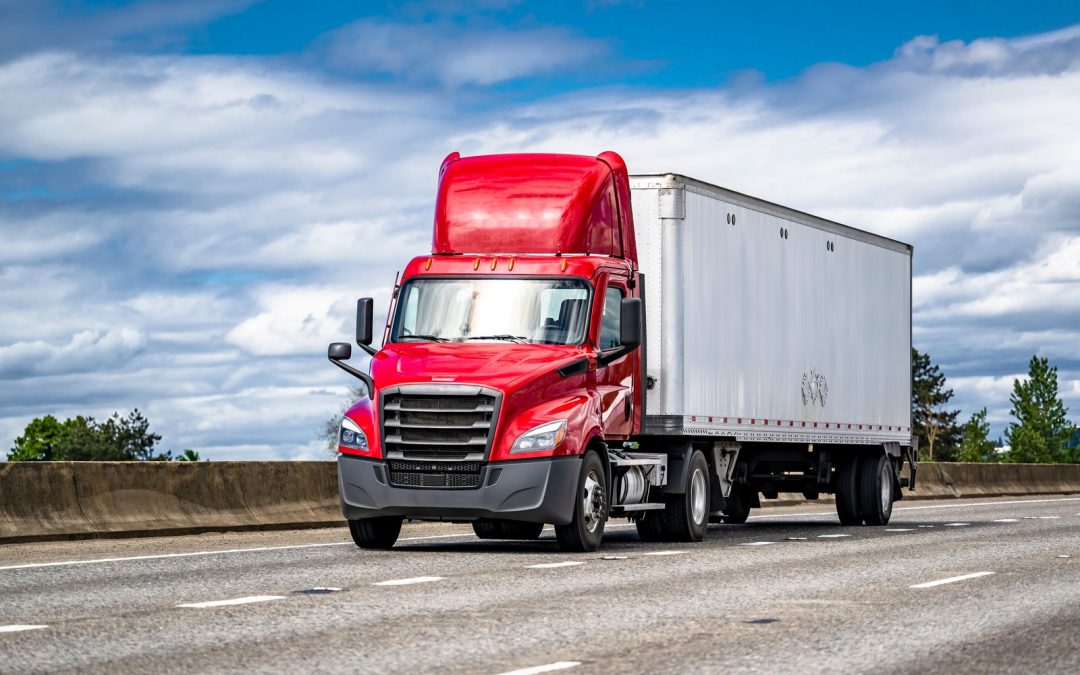
New Hampshire trucking news this quarter shows steady freight volumes, rising insurance costs, and continued pressure on driver availability across the Granite State. Fleet managers and HR leads in logistics and construction are navigating tighter capacity while preparing for potential regulatory shifts expected in 2026.
This update pulls together the latest industry data, workforce trends, and operational developments that matter to New Hampshire-based carriers, distributors, and construction firms. Whether you run a private fleet or manage dedicated contract carriage, these quarterly movements directly affect your cost per mile and ability to keep trucks rolling.
In This Guide
- Freight Volume and Economic Indicators in New Hampshire
- Driver Shortage and Workforce Challenges Facing NH Fleets
- Insurance Costs and Liability Trends
- Technology Adoption and Fleet Modernization
- Regulatory Outlook and Preparation for 2026
- Key Takeaways
Freight Volume and Economic Indicators in New Hampshire
For more on this topic, see our guide on CDL driver staffing in New Hampshire.Outbound tonnage from New Hampshire warehouses and distribution centers held relatively flat through the first half of this year. According to state transportation reports and carrier surveys, general freight and building materials moved at levels consistent with 2024, with modest gains in construction-related hauls tied to infrastructure projects along the I-93 corridor.
For current federal guidance, see the New Hampshire DMV CDL information.Retail and e-commerce loads out of Manchester and Nashua showed slight softening in Q2, while forest products and manufactured goods originating from the northern counties remained stable. Fuel prices averaged between $3.40 and $3.70 per gallon at the pump for ultra-low sulfur diesel, creating predictable but elevated operating expenses for regional fleets.
As of late 2025, analysts project a 2 to 4 percent uptick in overall tonnage for the final quarter, driven largely by holiday shipping and early winter road-salt deliveries. These figures vary by employer and year, yet the pattern suggests fleets should plan for tighter equipment utilization heading into 2026.
New Hampshire’s strategic position between major Northeast markets continues to support steady intermodal and truckload demand. Carriers with cross-border capabilities into Vermont and Maine report consistent backhauls, reducing empty miles on return trips. However, last-mile delivery congestion around Concord and the Seacoast region has increased dwell times by an average of 45 minutes per stop compared with the same period last year.
Driver Shortage and Workforce Challenges Facing NH Fleets
Driver Shortage and Workforce Challenges Facing NH Fleets
The driver shortage remains the most consistent theme in New Hampshire trucking news this quarter. Local fleets report turnover rates between 18 and 28 percent annually for Class A CDL positions, with even higher churn among newer hires. Aging driver demographics compound the problem: more than 35 percent of active CDL holders in the state are over age 55, according to industry estimates.
For more on this topic, see our guide on Connecticut fuel tax 2026.Construction and heavy-haul segments face particular pressure. Projects requiring Class B drivers for dump trucks, mixers, and lowboy trailers often compete with higher-paying long-haul opportunities. This competition has pushed starting weekly pay for experienced local drivers into the $1,400 to $1,900 range depending on equipment and route.
Many fleet managers have turned to flexible staffing models to maintain service levels without overcommitting to full-time headcount. Temporary and contract drivers allow companies to scale during seasonal peaks in logging, aggregate, and retail delivery without the long-term overhead of benefits and training.
Highway Driver Leasing provides both temporary and permanent placement of Class A and Class B CDL drivers across New Hampshire and the surrounding New England states. Our DOT-compliant workforce helps fleets bridge short-term gaps or build long-term teams without the administrative burden of constant recruiting.
Looking ahead to 2026, several fleets are preparing for possible changes in hours-of-service flexibility and electronic logging device enforcement standards. While specific rule updates have not been finalized, compliance teams are reviewing internal policies now to avoid disruptions when adjustments take effect.

Insurance Costs and Liability Trends
Insurance Costs and Liability Trends
Liability insurance premiums for New Hampshire trucking operations increased 7 to 12 percent on average this quarter. Carriers with clean CSA scores and robust safety programs secured more favorable renewals, while those with recent incidents saw sharper hikes.
Official rules and updates are published by the Bureau of Transportation Statistics freight data.For more on this topic, see our guide on New England LTL market trends 2026.The rise in insurance costs reflects both claims severity and reinsurance market conditions. Rear-end collisions and sideswipe incidents on Routes 101 and 3 continue to drive the majority of at-fault claims. Fleets that implemented additional mirror cameras, telematics coaching, and stricter pre-trip inspection protocols report improved loss ratios and better negotiating power with underwriters.
Cargo insurance rates remained relatively stable for dry van and flatbed operations but climbed for refrigerated and specialized loads. Temperature-sensitive pharmaceutical and food deliveries now command higher premiums due to increasing claim values.
Risk managers recommend reviewing deductible levels and coverage limits before 2026 renewals. Many mid-size fleets are exploring captive insurance programs or higher retentions to offset premium inflation. These strategies require careful actuarial modeling and should be developed with qualified insurance professionals.
Technology Adoption and Fleet Modernization
Technology Adoption and Fleet Modernization
New Hampshire carriers continue to adopt telematics, route optimization software, and predictive maintenance platforms at an accelerating pace. Approximately 65 percent of fleets with more than 15 power units now use some form of electronic driver monitoring, according to regional surveys.
The return on investment appears strongest in fuel economy and idling reduction. Carriers report 8 to 14 percent improvements in miles per gallon after implementing coaching programs tied to real-time data. However, driver acceptance varies, and fleets that pair technology with clear communication and incentive programs achieve higher adoption rates.
For more on this topic, see our guide on New England EV charging infrastructure for trucking.Electric and alternative-fuel vehicles remain a small but growing segment. Several vocational fleets in southern New Hampshire are piloting Class 8 electric tractors for short-haul distribution runs. While infrastructure and payload limitations still constrain widespread adoption, state and federal incentives may accelerate testing programs through 2026.
Autonomous driver assistance systems (ADAS) have become standard on most new tractor orders. Lane departure, automatic emergency braking, and adaptive cruise control features help reduce fatigue-related incidents and improve CSA scores. Fleet managers note that these systems require targeted training so drivers understand both capabilities and limitations.
Regulatory Outlook and Preparation for 2026
As of 2026, carriers should anticipate possible adjustments to drug and alcohol testing protocols, medical certification processes, and entry-level driver training requirements. The FMCSA continues to evaluate data from previous pilot programs, and fleets are wise to monitor official announcements closely.
New Hampshire’s own commercial vehicle enforcement division maintains strong focus on speed, hours of service, and vehicle maintenance. Out-of-service rates at state inspection facilities have remained steady, but nighttime and weekend enforcement activities have increased along key corridors.
Compliance teams recommend conducting internal audits of ELD data, driver qualification files, and drug testing consortium participation before year-end. Small discrepancies that go unnoticed can compound into significant violations during random audits or post-accident reviews.
Training programs that emphasize both regulatory knowledge and practical safety habits deliver the best results. Fleets that invest in ongoing education rather than one-time orientation see measurable reductions in preventable accidents and violations.
Key Takeaways
- New Hampshire trucking news this quarter reflects stable freight demand paired with persistent driver availability challenges that require creative staffing solutions.
- Insurance cost increases and technology investments are reshaping operational budgets; fleets that combine data-driven safety programs with flexible workforce options maintain stronger margins.
- Regulatory changes anticipated in 2026 make proactive compliance planning essential for avoiding disruptions.
- Construction, retail, and manufacturing sectors continue to compete for the same qualified CDL drivers, making reliable staffing partners a competitive advantage.
- Monitoring both state-specific trends and national developments helps fleet managers make informed decisions about equipment, personnel, and route strategy.
If your fleet needs additional Class A or Class B drivers to meet growing demand or cover seasonal peaks, call Highway Driver Leasing at (800) 332-6620. Our team specializes in fast, DOT-compliant placements across New Hampshire and all of New England.
Frequently Asked Questions
What are the biggest challenges for trucking companies in New Hampshire right now?
The most pressing issues are driver shortages, rising insurance premiums, and increasing dwell times in congested areas. Many fleets also face pressure to modernize technology while controlling costs.
How are freight volumes trending in New Hampshire this quarter?
Volumes have remained relatively stable with slight gains in construction and seasonal materials. Analysts expect modest growth in the final quarter of the year, though figures vary by sector and specific routes.
What should fleet managers prepare for in 2026?
Carriers should monitor potential updates to hours-of-service rules, ELD standards, and driver training requirements. Updating compliance programs and driver qualification files ahead of time reduces risk.
How can companies address ongoing CDL driver shortages?
Flexible staffing through temporary or contract placements allows fleets to maintain service levels without overextending fixed payroll. Partnering with experienced driver providers helps fill seats quickly while maintaining safety and compliance standards.