

Connecticut fuel tax 2026 will bring one of the largest single-year increases in state diesel and gasoline excise taxes in recent memory. Starting January 1, 2026, the per-gallon tax on diesel fuel is scheduled to rise by 15 cents, pushing the combined state tax rate to 55.2 cents per gallon before any federal overlay. For logistics companies, construction fleets, and transportation providers already operating on thin margins, this change demands immediate planning.
Fleet managers and HR leads across Connecticut must now factor higher fuel costs into 2026 budgets, route pricing, and driver compensation conversations. This article breaks down the scheduled increase, its impact on commercial trucking, and practical steps carriers can take to stay competitive in the New England market.
In This Guide
- Why the Connecticut Fuel Tax 2026 Increase Is Happening
- How the New Rate Compares to Other New England States
- Direct Impact on Trucking and Logistics Operations
- Preparing Your Fleet for Connecticut Fuel Tax 2026
- Longer-Term Implications for New England Trucking
- Strategies That Actually Work in a High-Tax Environment
- Key Takeaways
Why the Connecticut Fuel Tax 2026 Increase Is Happening
For more on this topic, see our guide on CDL driver staffing in Connecticut.The Connecticut General Assembly approved the latest adjustment as part of a multi-year transportation funding package designed to address infrastructure backlogs and meet federal matching requirements. Lawmakers cited rising construction material costs, bridge repair needs, and the goal of reducing long-term borrowing as primary drivers behind the hike.
For current federal guidance, see the Connecticut DMV CDL information.As of 2026, Connecticut will move from a fixed-rate structure with periodic adjustments to a more indexed approach tied loosely to the Consumer Price Index for transportation fuels. This marks a shift from previous decades when increases were sporadic and politically contentious. The 15-cent jump represents the largest one-time diesel tax increase in the state since 2015.
Transportation industry analysts expect the change to generate approximately $180–220 million in additional annual revenue for the Special Transportation Fund, though exact figures vary by employer and year based on actual consumption. For context, Connecticut’s commercial trucking sector consumes roughly 450 million gallons of diesel annually. Even a modest 10-cent increase can add tens of millions in direct costs to carriers operating within or through the state.

How the New Rate Compares to Other New England States
How the New Rate Compares to Other New England States
For more on this topic, see our guide on Providence freight hub developments 2026.Connecticut fuel tax 2026 will position the state among the higher-tax jurisdictions in the Northeast. After the increase:
- Connecticut diesel tax: 55.2 cents per gallon
- Massachusetts: 29.1 cents (plus variable component)
- Rhode Island: 39 cents
- New Hampshire: 22.2 cents
- Vermont: 34 cents
- Maine: 35.4 cents
These comparisons matter for fleets that cross state lines regularly. A tractor-trailer making daily runs between Hartford and Springfield or Providence will see noticeably higher fuel expenses on the Connecticut portions of those routes. Companies that base operations in neighboring states but perform significant work in Connecticut will feel the impact through higher per-mile costs.
The increase also affects Class B drivers operating box trucks and dump trucks in construction and local delivery. While passenger vehicle owners will see a smaller gasoline tax bump, the diesel component hits commercial fleets hardest.
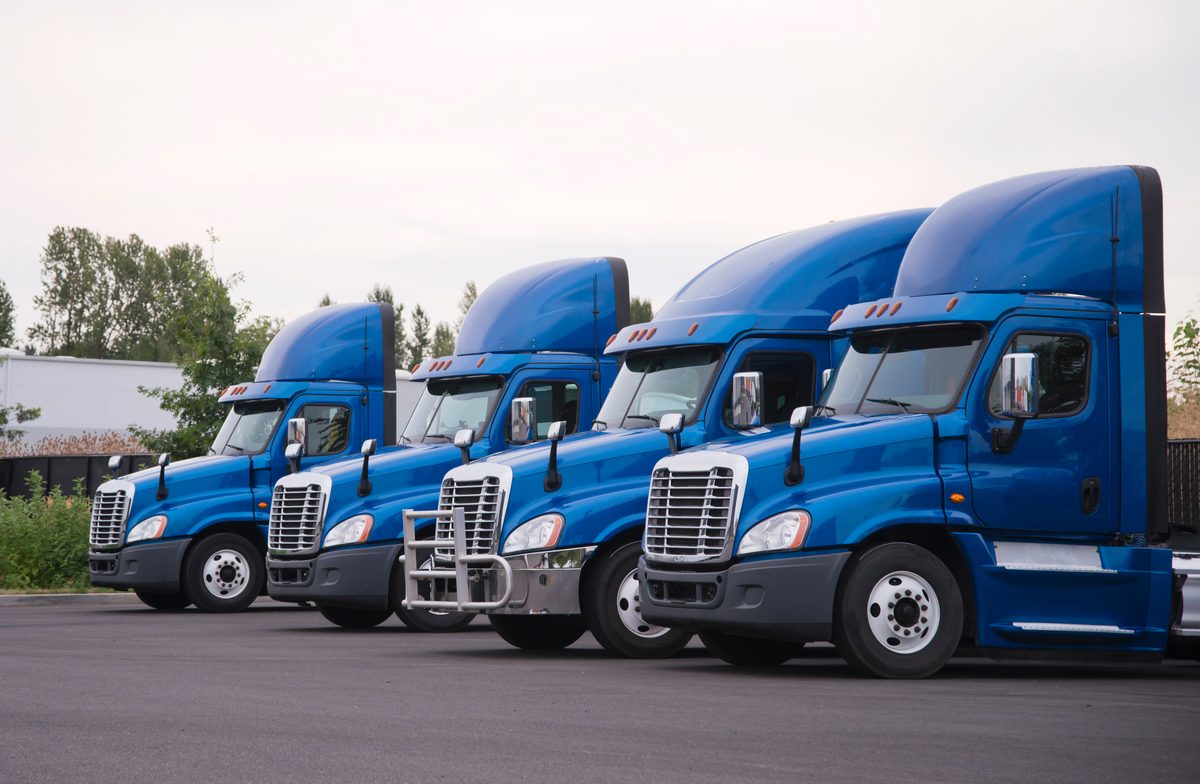
Direct Impact on Trucking and Logistics Operations
Direct Impact on Trucking and Logistics Operations
For more on this topic, see our guide on Port of Boston 2026 updates for trucking.Higher fuel taxes translate into increased operating costs that cannot be fully absorbed. Industry estimates suggest that for every 10-cent rise in diesel tax, the average over-the-road carrier sees a 1.2–1.8 percent increase in total cost per mile. With the 15-cent Connecticut fuel tax 2026 adjustment, many fleets could face a 1.8–2.7 percent rise in variable costs depending on equipment efficiency and average miles traveled within the state.
Construction companies that rely on heavy dump trucks and concrete mixers will experience even sharper increases because these vehicles achieve lower miles per gallon. A typical tri-axle dump truck burning 6–7 miles per gallon could see an extra $18–22 per fill-up after the tax change takes effect.
Official rules and updates are published by the Bureau of Transportation Statistics freight data.Logistics decision-makers should also consider secondary effects:
- Fuel surcharge formulas will need immediate revision to maintain margin integrity.
- Customer rate negotiations scheduled for Q4 2025 should already reference the upcoming Connecticut increase.
- Driver pay discussions may intensify as take-home pay feels pressure from higher living costs that often correlate with fuel price spikes.

Preparing Your Fleet for Connecticut Fuel Tax 2026
Preparing Your Fleet for Connecticut Fuel Tax 2026
For more on this topic, see our guide on Rhode Island port expansion update 2026.Smart carriers are not waiting until January 2026 to respond. Here are concrete actions fleet managers can take now:
-
Update fuel surcharge matrices. Review every customer contract and build in automatic triggers tied to the new Connecticut base rate. Many successful carriers now use weekly posted rack averages plus a fixed margin rather than outdated fixed surcharges.
-
Re-optimize routing and terminal placement. Analyze whether shifting drop yards or cross-dock locations can reduce total miles driven on Connecticut roads. Even a 4–6 percent reduction in in-state miles can offset a meaningful portion of the tax increase.
-
Accelerate fleet modernization. Newer equipment with better aerodynamics and engine efficiency can return 0.5–1.2 miles per gallon improvements. The tax increase improves the payback window for newer tractors and trailers. Carriers that lease or finance equipment should run fresh total-cost-of-ownership models that include the higher 2026 fuel tax.
-
Review driver compensation and retention strategies. Higher fuel costs often lead to pressure on driver wages. Companies that maintain strong driver communication and offer fuel-efficiency bonuses tend to retain CDL talent better during cost spikes. This is where access to flexible staffing becomes especially valuable.
Highway Driver Leasing helps Connecticut-based fleets maintain service levels without inflating fixed payroll during periods of uncertainty. Whether you need temporary Class A drivers for peak seasons or permanent placements to stabilize your operation, our DOT-compliant workforce solutions give you speed and flexibility.
Longer-Term Implications for New England Trucking
The Connecticut fuel tax 2026 increase occurs against a backdrop of similar conversations happening in other states. Massachusetts and New York have both signaled potential indexed increases over the next three years. Carriers that operate regionally should build multi-year cost models that account for likely tax creep across the Northeast.
Electric and alternative-fuel vehicles remain part of the long-term conversation, but current infrastructure and duty-cycle limitations mean diesel will continue to dominate heavy-duty trucking through at least 2032. Therefore, near-term cost management remains critical.
Another factor is the potential for tolling expansion. Connecticut continues to study all-electronic tolling on I-95 and I-84. Should those programs move forward, the combined impact of higher fuel taxes plus per-mile tolls could dramatically change the cost structure for through-traffic. Fleet managers should monitor the Connecticut Department of Transportation’s long-range planning documents closely.
Strategies That Actually Work in a High-Tax Environment
Successful logistics companies in high-tax states share several traits:
- They treat fuel as a science rather than an expense line. Telematics data is reviewed weekly, and drivers receive regular coaching on idling, speed, and route selection.
- They maintain strong relationships with fuel card providers and negotiate rebates that can return 1–3 cents per gallon.
- They diversify their customer base so that Connecticut-specific cost increases can be partially offset by growth in lower-tax markets.
- They maintain access to scalable driver capacity so they can flex up or down without carrying excess fixed labor costs when freight lanes shift.
The last point is particularly relevant for HR leads responsible for driver recruiting. The cost of a bad hire or prolonged vacancy becomes even more expensive when every loaded mile carries higher tax overhead. Working with a specialized CDL staffing partner allows fleets to maintain delivery commitments while controlling payroll volatility.
Key Takeaways
- Connecticut fuel tax 2026 brings a 15-cent per gallon increase on diesel effective January 1, 2026, raising the state rate to 55.2 cents.
- The change will add meaningful per-mile costs for carriers, with the greatest impact on local and regional operations.
- Proactive steps taken in 2025, including route optimization, equipment upgrades, and updated customer pricing, will determine which fleets maintain profitability.
- Driver retention and flexible staffing become even more important when operating costs rise.
- Regional carriers should model multi-year tax scenarios across all New England states rather than treating this as an isolated Connecticut event.
Call (800) 332-6620 today to discuss how Highway Driver Leasing can help your fleet maintain capacity and control costs through the Connecticut fuel tax 2026 transition and beyond.
Frequently Asked Questions
When does the Connecticut fuel tax 2026 increase take effect?
The scheduled 15-cent increase on diesel fuel takes effect January 1, 2026. Carriers should update accounting systems and customer contracts before year-end 2025 to avoid margin compression.
Will the Connecticut fuel tax increase apply to all diesel-powered vehicles?
Yes. The excise tax applies to all diesel fuel purchased in Connecticut, including fuel used by Class A tractor-trailers, Class B straight trucks, construction equipment, and passenger vehicles with diesel engines. Off-road dyed diesel used strictly for agricultural or construction equipment not driven on public roads may qualify for exemptions. Verify specific use cases with the Connecticut Department of Revenue Services.
How should fleets adjust fuel surcharges for Connecticut deliveries after 2026?
Most carriers will need to revise existing surcharge tables to reflect the new base tax rate. Many are moving toward weekly indexed surcharges based on the Department of Energy’s published diesel price for the Hartford rack plus a fixed margin. Work with your pricing team or consultant to build formulas that protect margins without shocking customers.
Does Highway Driver Leasing serve only Connecticut or the entire New England region?
Highway Driver Leasing provides CDL driver staffing and placement services across all six New England states: Connecticut, Massachusetts, Rhode Island, New Hampshire, Vermont, and Maine. Our recruiters maintain deep networks of qualified Class A and Class B drivers who can help fleets absorb volume changes caused by higher operating costs.