

This guide covers Rhode Island truck weight laws update with practical insights from Highway Driver Leasing for drivers and fleets across New England.
Rhode Island truck weight laws are changing in ways that will directly impact fleet operations, route planning, and compliance costs for carriers moving freight through the Ocean State. As of 2026, new provisions tied to infrastructure upgrades and federal harmonization will allow higher gross vehicle weights on select corridors while tightening enforcement on secondary roads. Fleet managers and HR leads responsible for driver staffing in New England need to understand these shifts now to avoid violations, adjust equipment specifications, and maintain productivity.
For more on this topic, see our guide on CDL driver staffing in Rhode Island.This update reflects broader national trends toward heavier, more efficient loads balanced against bridge ratings and pavement preservation. For logistics and construction companies operating in Rhode Island, the changes create both opportunity and added complexity. Carriers that adapt quickly will gain a competitive edge in an already tight driver market.
In This Guide
- What the Rhode Island Truck Weight Laws Update Includes
- Why These Changes Are Happening Now
- Operational Impact on Fleet Managers and Driver Staffing
- How to Prepare Your Fleet and Workforce for 2026
- Enforcement, Penalties, and Safety Considerations
- Key Takeaways
What the Rhode Island Truck Weight Laws Update Includes
The Rhode Island Department of Transportation and the Rhode Island State Police have finalized adjustments to allowable gross vehicle weights, axle group weights, and bridge formula applications. While full implementation begins in phases starting January 1, 2026, some preparatory compliance measures take effect in late 2025.
For current federal guidance, see the Rhode Island DMV CDL information.Key elements of the Rhode Island truck weight laws update include:
- Increase in maximum gross vehicle weight from 80,000 pounds to 88,000 pounds on designated state and federal-aid highways meeting new structural criteria.
- Revised axle weight limits: single axle remains at 22,400 pounds, tandem axles increase to 36,000 pounds on qualifying routes.
- Updated bridge formula calculations that permit heavier configurations when spread across additional axles.
- Expanded list of “heavy haul corridors” that now include portions of Routes 95, 195, 295, and key industrial connectors in Providence, Cranston, and Woonsocket.
- Stricter limits on local and municipal roads, with many secondary routes capped at 73,000 pounds to protect aging infrastructure.
These adjustments align Rhode Island more closely with neighboring Massachusetts and Connecticut while still maintaining some of the most conservative weight thresholds in New England. Figures vary by employer and year depending on equipment mix and route authority.
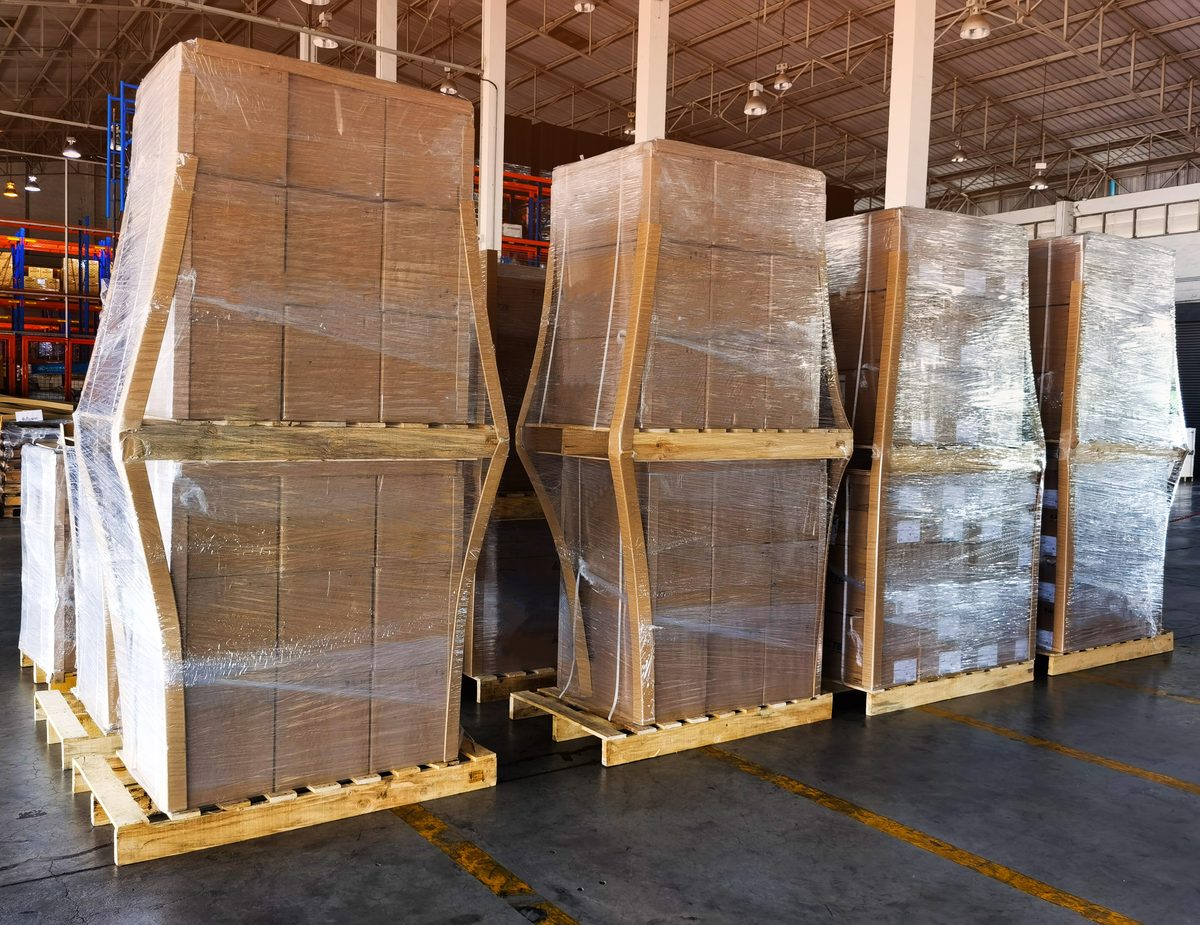
Why These Changes Are Happening Now
Why These Changes Are Happening Now
For more on this topic, see our guide on Rhode Island port expansion update 2026.Rhode Island’s aging bridge inventory and rising freight volumes have forced a data-driven compromise. According to state transportation reports, truck traffic on key corridors has increased 18 percent since 2019. At the same time, several major bridge rehabilitation projects scheduled for completion in 2025 will allow engineers to certify higher load ratings.
The update also responds to pressure from the logistics and construction sectors that have struggled with payload inefficiency. Construction materials, bulk liquids, and containerized freight all benefit from higher legal weights. By raising limits on strategic routes, the state aims to reduce the number of trips required, which in turn can ease driver demand and lower emissions per ton-mile.
Federal guidance under the Infrastructure Investment and Jobs Act encouraged states to review weight restrictions on corridors critical to supply chains. Rhode Island’s participation in this review produced the 2026 framework that balances productivity with safety.
For fleet managers, this means reevaluating tractor-trailer specifications. Spread-axle trailers and multi-axle configurations that were previously over legal in Rhode Island may now become standard tools in the regional fleet.

Operational Impact on Fleet Managers and Driver Staffing
Operational Impact on Fleet Managers and Driver Staffing
For more on this topic, see our guide on New England cold-chain logistics growth 2026.The Rhode Island truck weight laws update will change how dispatchers build loads and how safety teams schedule inspections. Higher legal weights allow fuller trailers, which improves fuel economy and driver utilization. However, the split limits between heavy corridors and local roads require precise route planning and driver training.
Official rules and updates are published by the U.S. Department of Transportation.Companies that run dedicated lanes between Providence and Boston or along the I-95 corridor stand to benefit most. A single tractor can now move 10 percent more payload per trip on approved routes, potentially reducing the total number of drivers needed for the same volume. That efficiency gain matters in a region where CDL driver shortages remain acute.
At the same time, enforcement is expected to increase. Rhode Island State Police commercial vehicle enforcement units will receive additional portable scale technology and updated training on the new bridge formula. Citations for overweight violations on restricted roads will carry higher fines and points against the carrier’s safety record.
HR leads responsible for driver recruiting and retention should prepare for added skills requirements. Drivers will need demonstrated proficiency with weight calculations, electronic logging of axle configurations, and familiarity with corridor-specific restrictions. This raises the value of experienced Class A CDL holders who already hold endorsements or have worked in neighboring states with similar rules.
For more on this topic, see our guide on Maine fuel tax 2026.Temporary staffing becomes even more strategic during the transition. Carriers can bring in seasoned drivers from Highway Driver Leasing to test new load configurations, train existing teams, and maintain service levels while permanent staff complete updated qualification training.
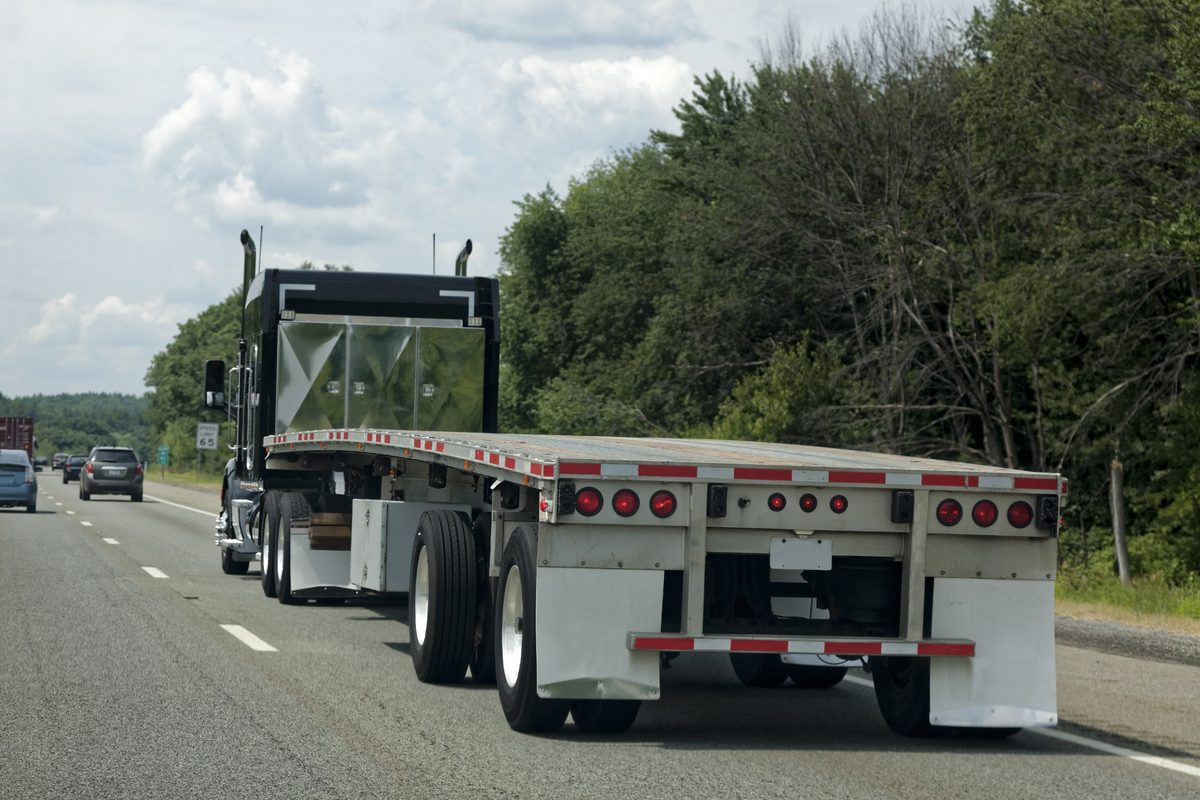
How to Prepare Your Fleet and Workforce for 2026
How to Prepare Your Fleet and Workforce for 2026
Successful adaptation requires coordinated action across operations, safety, and human resources. Here are the practical steps fleet managers should take before the Rhode Island truck weight laws update takes full effect:
-
Map your Rhode Island routes against the new heavy-haul corridor list. Identify which loads can immediately move to higher weights and which must remain under current restrictions.
-
Audit your trailer fleet. Determine how many units can be upfitted with additional axles or lift axles to take full advantage of the new limits. Calculate ROI based on payload gains versus equipment cost.
-
Update load planning software and driver manuals. Incorporate the revised weight tables, bridge formulas, and corridor restrictions. Ensure dispatchers and drivers have real-time access to compliant configurations.
-
Review driver qualification files. Identify team members who need refresher training on weight and balance, hours-of-service implications of heavier loads, and new inspection focus areas.
-
Engage your staffing partner early. Secure experienced drivers who have operated at higher weights in other states so they can help your operation scale safely from day one of the new rules.
-
Budget for potential increases in insurance and maintenance. Heavier legal loads may accelerate wear on brakes, tires, and suspensions even when operated within the new limits.
Companies that treat the update as a strategic opportunity rather than a compliance burden will capture efficiency gains while protecting their safety ratings.
Enforcement, Penalties, and Safety Considerations
State police have signaled zero tolerance for intentional overloading on restricted roads. First-time violations on local routes capped at 73,000 pounds can trigger fines, out-of-service orders, and mandatory retraining. Repeat offenders risk suspension of operating authority within Rhode Island.
The emphasis on safety extends to driver wellness. Heavier loads increase stopping distances and place greater demand on vehicle systems. Fleet managers should review fatigue management programs and consider whether adjusted schedules are needed when operating at maximum legal weights.
Bridge strikes and pavement damage remain top concerns. The new rules include enhanced data collection requirements for carriers that regularly approach the higher limits. Electronic onboard recording devices must now capture axle weights in many cases, adding another layer to fleet technology decisions.
Key Takeaways
- Rhode Island truck weight laws will allow up to 88,000 pounds gross on designated heavy-haul corridors beginning in 2026, while maintaining lower limits on local roads.
- Carriers can improve payload efficiency and reduce trips, but only with precise route planning and updated equipment.
- Driver skills in weight calculation, axle configuration, and corridor compliance will become more valuable than ever.
- Enforcement efforts and technology are increasing; safety ratings and insurance costs will reflect how well companies adapt.
- Early preparation and access to experienced CDL drivers will determine which fleets gain a competitive advantage in the Ocean State.
The Rhode Island truck weight laws update represents a meaningful shift in regional freight movement. Logistics and construction companies that plan ahead will turn regulatory change into operational strength.
If your fleet needs additional Class A or Class B drivers who already understand updated weight regulations across New England, call Highway Driver Leasing at (800) 332-6620. Our DOT-compliant workforce can provide immediate temporary or permanent staffing solutions tailored to your Rhode Island operations.
Frequently Asked Questions
When do the new Rhode Island truck weight limits take effect?
The primary increases in gross vehicle weight and axle allowances begin January 1, 2026, with some preparatory compliance and training requirements rolling out in late 2025.
Which roads in Rhode Island will allow the higher 88,000-pound limit?
Only specific state and federal-aid highways designated as heavy-haul corridors, including segments of I-95, I-195, I-295, and key industrial routes in the Providence metro area. Most local and municipal roads remain capped at lower weights.
How will the weight law changes affect driver staffing needs?
Higher legal payloads can improve driver utilization and potentially reduce the total number of trips, but carriers will need drivers with stronger skills in load planning, axle configuration, and regulatory compliance. Experienced CDL drivers become even more critical during the transition.
Should my company change its equipment specifications before 2026?
Fleet managers should evaluate spread-axle trailers, lift axles, and multi-axle configurations now. Equipment decisions made in 2025 can be positioned to take immediate advantage of the new limits once the law takes effect.