

Mastering the CDL practice test general knowledge section is the first major hurdle for anyone pursuing a commercial driver’s license in New England. This 50-question exam covers everything from vehicle control and safety procedures to basic regulations that every professional driver must know. Passing it on the first attempt saves time, money, and frustration, especially when you are eager to start earning as a Class A or Class B driver across Massachusetts, Connecticut, Rhode Island, New Hampshire, Vermont, or Maine.
This step-by-step guide walks you through exactly how to prepare, what to study, and proven test-day strategies that have helped hundreds of drivers in the region succeed. Follow the process below and you will walk into the RMV or DMV testing center confident and ready.
In This Guide
- Why the General Knowledge Test Matters for New England Drivers
- Step 1: Gather the Right Study Materials
- Step 2: Break Down the Core Topics on the CDL Practice Test General Knowledge
- Step 3: Use CDL Practice Test General Knowledge Sessions Effectively
- Step 4: Master Test-Taking Strategies Specific to the General Knowledge Exam
- Step 5: Schedule and Pass Your Official Test
- Common Mistakes That Cause New England Drivers to Fail
- Building Momentum After Passing the General Knowledge Test
- Key Takeaways
Why the General Knowledge Test Matters for New England Drivers
For more on this topic, see our guide on driver staffing across New England.The general knowledge section forms the foundation of your entire CDL journey. Every commercial driver, whether hauling freight on I-95 through Connecticut or operating a straight truck on rural routes in Vermont, must demonstrate mastery of these core concepts. The test ensures you understand vehicle systems, safe operating practices, cargo securement, air brakes, and emergency procedures.
For current federal guidance, see the FMCSA Entry-Level Driver Training rule.In New England’s variable weather and dense traffic corridors, these fundamentals directly translate to safer driving and fewer violations. Employers value drivers who pass on the first try because it shows discipline and preparedness. A strong score here also opens doors faster to better-paying opportunities with companies that need reliable Class A and Class B drivers.
Most states, including all six New England states, require at least an 80% score to pass. That means you can miss no more than 10 questions out of 50. The CDL practice test general knowledge questions mirror the real exam, so consistent practice is the fastest way to reach that threshold.

Step 1: Gather the Right Study Materials
Step 1: Gather the Right Study Materials
Start by downloading the official commercial driver’s manual for your state. Massachusetts, Connecticut, Rhode Island, New Hampshire, Vermont, and Maine each base their tests on the same core federal standards, but some states add small regional differences. Read the entire manual once before diving into practice tests.
Next, collect these essential tools:
- The current state CDL manual (free PDF from your state RMV/DMV website)
- A reliable CDL practice test general knowledge app or online platform that generates fresh questions daily
- Notebook and highlighter for noting weak areas
- Air brake supplement if you plan to operate vehicles with air brakes
- Combination vehicle supplement for Class A aspirants
Set aside at least two weeks of dedicated study time. Serious candidates often spend 15–25 hours total preparing for the general knowledge section alone.
Step 2: Break Down the Core Topics on the CDL Practice Test General Knowledge
The general knowledge test pulls from eight primary areas. Master them in this recommended order:
Vehicle Inspection and Control
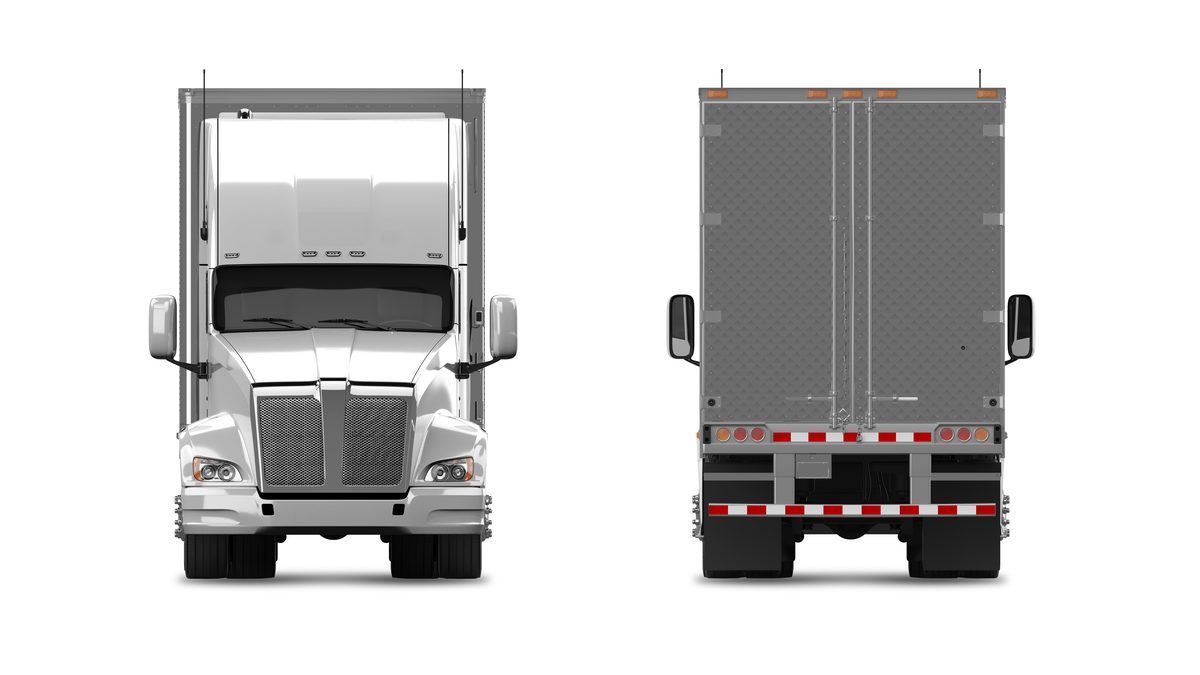
For more on this topic, see our guide on CDL school cost in Massachusetts.Learn the seven-step pre-trip inspection process cold. Practice identifying every gauge, switch, and safety device on a tractor-trailer or straight truck. Questions frequently ask about what to check first when approaching a vehicle or how to respond to dashboard warning lights.
Basic Operation and Safe Driving
Understand speed management, space cushion, night driving, and extreme weather procedures. New England winters make questions about skids, hydroplaning, and cold-weather starting especially relevant. Memorize the 11-hour driving limit, 14-hour on-duty limit, and 60/70-hour rules even if you will not take the endorsement test yet.
Air Brakes
This is often the toughest section. Study how air brakes work, dual air brake systems, slack adjusters, and the low-air warning devices. Know the emergency stopping procedures and the difference between service brakes, parking brakes, and emergency brakes. Expect at least 8–10 questions on air brakes.
Cargo Securement and Weight Distribution
Official rules and updates are published by the ELDT Training Provider Registry.Review tie-down requirements, weight limits, and load securement techniques. Questions cover blocking, bracing, and proper placement of cargo to prevent shifting. Pay special attention to New England bridge height restrictions and winter weight limits.
Hazard Recognition and Emergency Procedures
Learn to identify hazards before they become emergencies. Study skids, jackknifes, fires, brake failures, and evasive maneuvers. Know the exact steps for each type of roadside breakdown or accident.
Transportation of Passengers or Hazardous Materials (Basic Level)
Even without endorsements, you need basic knowledge of passenger vehicle safety and the “Dangerous” placard recognition. Do not skip these sections.
Vehicle Systems and Maintenance
Understand basic diesel engine components, exhaust systems, steering, suspension, and tire conditions. Questions often show diagrams and ask you to identify parts.
Federal and State Regulations
For more on this topic, see our guide on CDL school cost in Vermont.Cover hours of service, drug and alcohol rules, disqualification offenses, and medical certification requirements. These questions are straightforward if you study the manual carefully.
Step 2: Break Down the Core Topics on the CDL Practice Test General Knowledge
Step 3: Use CDL Practice Test General Knowledge Sessions Effectively
Take your first diagnostic CDL practice test general knowledge exam without studying. Score it and note every missed question. This baseline shows exactly where to focus.
Follow this daily practice schedule for maximum retention:
- Study one major topic for 45 minutes using the manual.
- Take a 20-question targeted quiz on that topic.
- Review every incorrect answer and write a one-sentence explanation of why the right answer is correct.
- End each session with 10 random general knowledge questions.
Aim for 30–50 practice questions per day. Track your scores in a simple spreadsheet. Most students see their average climb from the low 60s to the high 80s within 10–14 days when they follow this method consistently.
Use multiple sources for practice tests. Different platforms phrase questions slightly differently, which prepares you for the real exam’s wording variations. Focus on understanding concepts rather than memorizing exact questions, because the actual test pulls from a large question bank.
Step 4: Master Test-Taking Strategies Specific to the General Knowledge Exam
Details and the latest requirements are available through the FMCSA CDL Testing Standards.The CDL practice test general knowledge section is multiple choice with four possible answers. Use these proven techniques:
- Read the question twice before looking at the answers.
- Eliminate obviously wrong choices first.
- Look for absolute words like “always,” “never,” or “every” — these are often traps.
- When two answers look correct, choose the one that is most complete.
- Flag questions you are unsure about and return to them at the end.
Time yourself during practice. You have roughly one minute per question. If you consistently finish with time left and a score above 85%, you are ready.
For more on this topic, see our guide on air brake endorsement guide.Create flashcards for numbers that appear frequently: minimum tread depth, required fire extinguisher size, warning light activation pressures, and following distances in seconds. Numbers are easy points if you know them instantly.
Step 3: Use CDL Practice Test General Knowledge Sessions Effectively
Step 5: Schedule and Pass Your Official Test
Once your practice scores remain above 85% for three consecutive days, schedule the official test. In New England, you can usually book an appointment online through your state’s RMV or DMV portal. Bring required documents: proof of identity, residency, medical certificate, and payment for the test fee.
On test day:
- Get a full night’s sleep.
- Eat a normal meal.
- Arrive 15 minutes early.
- Read every question carefully.
- Trust your preparation.
After passing the general knowledge test you can immediately move on to any endorsement tests you need (air brakes, combination vehicles, tanker, etc.).
Common Mistakes That Cause New England Drivers to Fail
Avoid these frequent pitfalls that trip up many first-time test takers:
- Studying only practice tests without reading the manual
- Cramming the night before instead of steady daily practice
- Ignoring air brake questions because “they seem too technical”
- Not understanding the difference between on-duty, driving, and off-duty time
- Skipping cargo securement and vehicle inspection sections
Drivers in northern New England sometimes underestimate how thoroughly winter driving questions are covered. Make sure you study cold-weather starting procedures, chain laws in Maine, Vermont, and New Hampshire, and mountain driving techniques common on routes through the White Mountains or Berkshires.
Building Momentum After Passing the General Knowledge Test
Passing the CDL practice test general knowledge section is only the beginning. Use that confidence to tackle your skills test and road test next. Many drivers in our region secure entry-level positions with temporary or permanent placement companies while they finish their training and testing.
Highway Driver Leasing specializes in placing qualified Class A and Class B drivers with reputable carriers throughout the six New England states. Whether you need flexible temporary work while building experience or want a stable permanent position with great benefits, their team can match you with opportunities that fit your schedule and goals.
Ready to turn your CDL into a rewarding career? Call (800) 332-6620 today to speak with a placement specialist who understands the New England market.
Key Takeaways
- The CDL practice test general knowledge section requires an 80% passing score and covers eight major safety and operations topics.
- Consistent daily practice using both the state manual and multiple practice platforms produces the best results in two weeks or less.
- Air brakes, pre-trip inspection, and hours of service are the three areas that cause the most failures — prioritize them.
- Understanding concepts beats memorization; the real test pulls from a large question bank that changes regularly.
- Passing the general knowledge test opens the door to endorsements, skills testing, and immediate job opportunities with staffing partners across Massachusetts, Connecticut, Rhode Island, New Hampshire, Vermont, and Maine.
Frequently Asked Questions
How many questions are on the CDL general knowledge test?
The test contains 50 questions. You must answer at least 40 correctly to achieve the required 80% passing score in all New England states.
How many times can I retake the CDL practice test general knowledge section?
You can take practice tests as often as you want. However, most states limit official test attempts. Check your specific state RMV or DMV rules for retake waiting periods and additional fees.
Is the CDL general knowledge test the same in every New England state?
The core content is identical because all states follow federal standards. However, each state may emphasize certain regional topics such as winter driving or specific height and weight restrictions. Always study your own state’s manual.
What should I study first for the CDL practice test general knowledge?
Begin with vehicle inspection, air brakes, and basic control. These three areas typically account for more than half the questions. Once you are scoring well in those categories, move to cargo securement, hazard recognition, and regulations.