
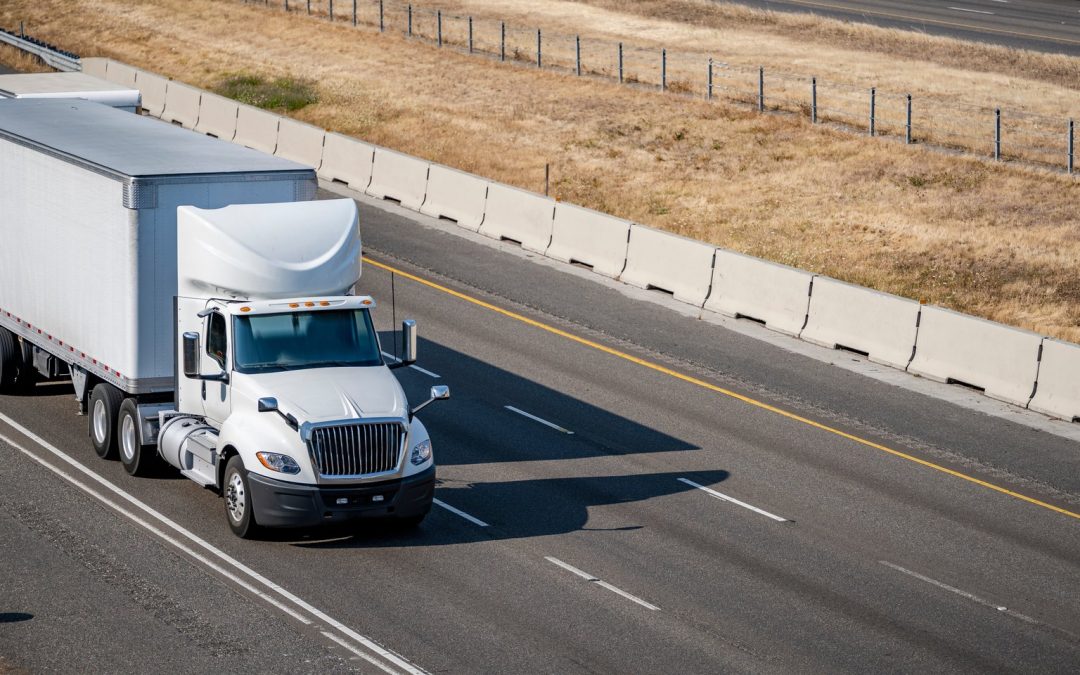
Vermont trucking news this quarter shows steady freight demand paired with persistent driver shortages and evolving regulatory pressures that fleet managers must navigate. Carriers across the Green Mountain State are balancing higher fuel costs, tighter emission standards, and a competitive hiring market that continues to challenge operational efficiency.
This update highlights the most relevant developments for logistics decision-makers, HR leads, and fleet operators in Vermont. From freight volume trends to workforce solutions, here is what matters right now and how forward-thinking companies are responding.
In This Guide
- Freight Volume and Economic Indicators
- Driver Shortage and Workforce Challenges
- Regulatory Updates and Compliance Pressures
- Technology Adoption and Operational Efficiency
- Preparing for the Rest of 2026
- Key Takeaways
Freight Volume and Economic Indicators
For more on this topic, see our guide on CDL driver staffing in Vermont.Vermont trucking activity remains closely tied to regional construction, manufacturing, and agriculture. As of early 2026, outbound loads of lumber, dairy, and specialty goods have held relatively stable compared to the same period last year. Inbound freight from neighboring states, particularly Massachusetts and New York, continues to support distribution centers in the Burlington and White River Junction corridors.
For current federal guidance, see the Vermont DMV CDL information.Seasonal factors play a significant role. Winter weather typically slows certain segments, yet data from the first quarter indicates only a modest 4-7 percent dip in overall tonnage, better than the 10-12 percent declines seen in harsher previous winters. This resilience stems from strong demand in home heating fuel and infrastructure projects funded through state and federal grants.
Fleet managers report that backhaul opportunities have improved slightly due to coordinated load boards and better use of technology platforms. However, empty miles still average between 18 and 24 percent on many Vermont-based routes. Companies that invest in dynamic routing software are seeing measurable gains in asset utilization.
Looking ahead, analysts project modest growth in the second quarter if construction spending accelerates as planned. Retail and e-commerce deliveries are also expected to rise modestly, creating additional pressure on last-mile and regional fleets.
Driver Shortage and Workforce Challenges
Driver Shortage and Workforce Challenges
The driver shortage remains the most consistent theme in Vermont trucking news this quarter. Carriers of all sizes continue to report difficulty filling both local and regional Class A positions. Turnover rates hover between 28 and 42 percent annually, depending on fleet size and pay packages.
For more on this topic, see our guide on Connecticut trucking regulations 2026.Younger drivers are entering the industry more slowly than retirements and attrition remove experienced professionals. This gap has widened slightly since last year, with many fleets citing the combination of rigorous hours-of-service rules and demanding schedules as key deterrents.
Compensation has risen in response. Average starting pay for experienced company drivers now ranges from $68,000 to $82,000 annually, while owner-operators with consistent lanes can clear $110,000 to $145,000 before expenses. These figures vary by employer and year, but the upward trend is clear across New England.
Recruitment and retention strategies have evolved. Many Vermont fleets now emphasize flexible home time, newer equipment, and safety bonuses. Still, the time-to-fill for open positions often exceeds 45 days, creating coverage gaps that hurt service levels and increase overtime costs.
Highway Driver Leasing helps Vermont carriers address these exact challenges by providing DOT-compliant Class A and Class B drivers on both temporary and permanent placement terms. This staffing model allows fleets to maintain delivery schedules without compromising on safety or compliance.
Regulatory Updates and Compliance Pressures
Regulatory Updates and Compliance Pressures
Regulatory changes continue to shape daily operations for Vermont trucking companies. As of 2026, the Federal Motor Carrier Safety Administration maintains strong focus on electronic logging device enforcement, drug and alcohol testing protocols, and hours-of-service compliance.
For more on this topic, see our guide on Rhode Island truck tolls status.Vermont’s adoption of the federal Clean Truck Plan adds another layer. Fleets operating newer model year vehicles face tighter emission standards, while older equipment may require retrofits or accelerated replacement schedules. Many carriers are exploring electric and alternative-fuel options for short-haul routes around Burlington and Montpelier, though infrastructure limitations remain a practical constraint.
Official rules and updates are published by the U.S. Department of Transportation.Insurance premiums have stabilized somewhat after several years of increases, yet liability coverage for many Vermont-based fleets still reflects elevated claim activity from prior years. Safety scores and CSA data directly influence rates, pushing companies to invest in driver training and telematics.
Hours-of-service flexibility granted during emergency declarations has largely expired, returning fleets to standard limits. This shift requires precise planning, especially during peak agricultural and construction seasons when Vermont roads see heavier truck traffic.
Carriers are advised to verify all current requirements directly with FMCSA and the Vermont Agency of Transportation, as rules or rates may change with little notice.
Technology Adoption and Operational Efficiency
Technology Adoption and Operational Efficiency
Technology remains a bright spot in Vermont trucking news this quarter. More fleets are integrating AI-powered load matching, predictive maintenance, and real-time fuel monitoring. These tools help offset rising diesel prices, which have fluctuated between $3.65 and $4.10 per gallon at Vermont terminals so far this year.
For more on this topic, see our guide on Massachusetts freight outlook 2026.Telematics systems now appear in roughly 65 percent of regional fleets, up from 48 percent two years ago. The data helps managers coach drivers on fuel economy, harsh braking, and route efficiency. Companies using these insights report 6-11 percent improvements in miles per gallon on consistent routes.
Autonomous vehicle pilots remain limited in Vermont due to terrain and weather, but several carriers are testing advanced driver assistance systems that reduce fatigue on long interstate runs. The technology is not yet a full solution for the driver shortage, yet it supports retention by making the job less physically taxing.
Cybersecurity has also climbed the priority list. With increasing reliance on cloud-based dispatch and electronic documents, Vermont fleets are strengthening internal protocols to prevent disruptions from ransomware or data breaches.
Preparing for the Rest of 2026
The second half of the year is likely to bring continued pressure on capacity and rates. Fuel volatility, potential changes in trade policy, and ongoing infrastructure work on I-89 and I-91 will test even the most prepared operations.
Successful Vermont carriers are those that combine strong safety cultures with flexible workforce strategies. Rather than relying solely on traditional hiring, many now maintain relationships with staffing partners who can scale driver resources up or down as demand fluctuates.
This approach protects core teams, controls costs, and ensures consistent service to customers across New England. Whether you manage a private fleet, run a for-hire operation, or oversee logistics for a construction firm, having reliable CDL driver support has become a competitive necessity.
If your Vermont operation is facing driver shortages or coverage gaps, call Highway Driver Leasing at (800) 332-6620. Our team specializes in providing fully vetted, compliant drivers throughout Vermont and the five other New England states.
Key Takeaways
- Vermont trucking news this quarter reflects stable freight volumes but ongoing pressure from driver shortages and rising operational costs.
- Pay rates continue to climb, yet time-to-fill open positions remains lengthy for most carriers.
- Regulatory compliance around emissions, hours of service, and safety scoring requires constant attention; always verify current rules with FMCSA and state agencies.
- Technology adoption in routing, telematics, and maintenance is helping efficient fleets reduce empty miles and improve fuel economy.
- Flexible staffing partnerships allow companies to maintain service levels without overextending permanent payroll.
Frequently Asked Questions
What is the current outlook for freight demand in Vermont?
Freight demand in Vermont remains steady through the first quarter of 2026, supported by construction, agriculture, and regional distribution. Modest growth is expected in the second quarter if infrastructure spending stays on track, though seasonal weather can still create short-term dips.
How severe is the driver shortage for Vermont fleets right now?
The driver shortage continues to challenge Vermont carriers, with many positions taking 45 days or longer to fill. Annual turnover rates range from 28 to 42 percent, pushing companies to explore higher pay, better schedules, and alternative staffing models.
Are trucking regulations changing in Vermont this year?
Yes. Vermont continues to align with updated federal emission standards and maintains strict enforcement of electronic logging and hours-of-service rules. Fleets should regularly check with the Vermont Agency of Transportation and FMCSA for the latest compliance details, as rules or rates may change.
How can staffing companies help Vermont trucking operations?
Staffing partners like Highway Driver Leasing supply pre-screened, DOT-compliant CDL drivers for temporary or permanent needs. This approach helps fleets cover peak periods, reduce recruitment costs, and maintain service reliability without expanding permanent headcount.