
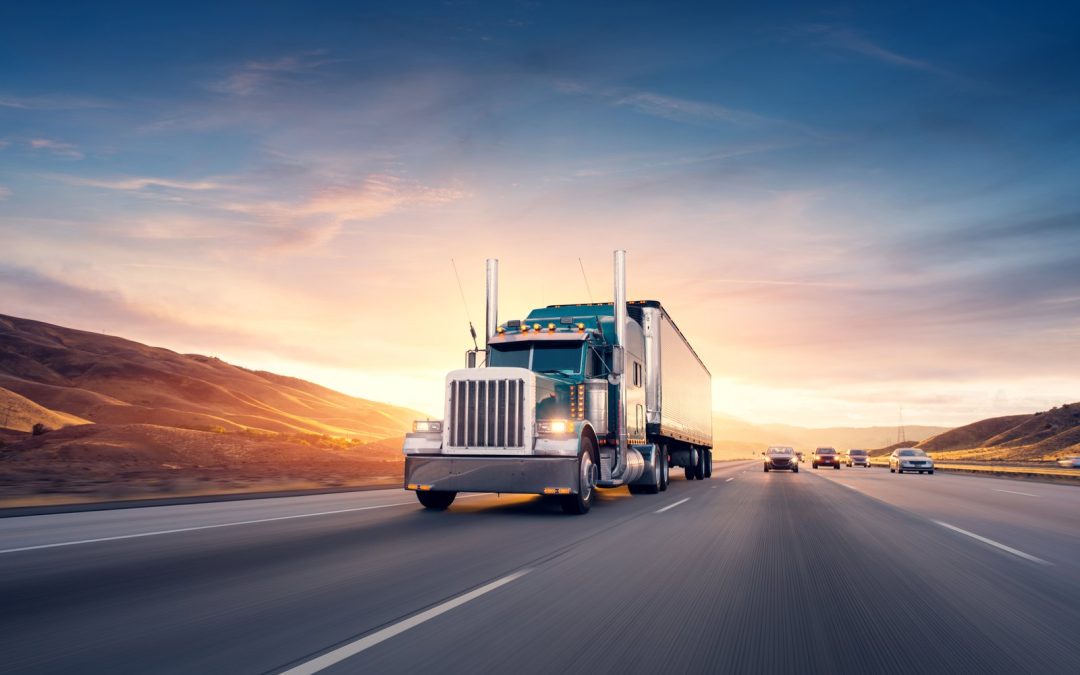
The tanker endorsement pay premium can add $0.05 to $0.25 per mile or $2 to $7 per hour to your base rate, depending on the carrier, route, and location. For CDL drivers in New England, this extra compensation often translates into $5,000 to $15,000 more per year. Understanding exactly how much the tanker endorsement is worth helps you decide whether to invest the time and study hours required to add it to your license.
Many drivers wonder if the tanker endorsement is worth the effort. The short answer is yes for those who haul liquids regularly. In this data-driven guide, we break down current tanker endorsement pay premiums across Massachusetts, Connecticut, Rhode Island, New Hampshire, Vermont, and Maine. You will see realistic figures based on 2024-2025 market reports, learn what influences the premium, and discover how to position yourself for the highest-paying tanker runs.
In This Guide
- What Is the Tanker Endorsement and Why Does It Pay More?
- Current Tanker Endorsement Pay Premium Ranges in New England
- Factors That Influence Your Tanker Endorsement Pay Premium
- How to Add the Tanker Endorsement and Start Earning the Premium
- Real Driver Experiences and What the Data Shows
- Key Takeaways
What Is the Tanker Endorsement and Why Does It Pay More?
For more on this topic, see our guide on driver staffing across New England.A tanker endorsement (N endorsement) allows you to haul bulk liquid cargo. Because liquids shift during braking, cornering, and acceleration, operating a tanker requires specialized skills and heightened safety awareness. Employers pay a premium for this expertise since improper handling can lead to rollovers, spills, and costly regulatory violations.
For current federal guidance, see the O*NET career profile: Heavy and Tractor-Trailer Truck Drivers.Carriers also value the tanker endorsement because it expands the pool of loads a driver can accept. In New England, where fuel, chemicals, milk, and liquid food products move daily, companies need reliable tanker-qualified drivers. This demand creates the tanker endorsement pay premium that many drivers enjoy.
As of 2025, most New England fleets report that drivers with the tanker endorsement earn between 8 and 18 percent more than drivers without it on comparable routes. The actual dollar amount varies by pay structure. Mileage-based drivers usually see the premium expressed in cents per mile, while hourly or dedicated drivers receive it as an extra dollar amount per hour or per load.
Current Tanker Endorsement Pay Premium Ranges in New England
Current Tanker Endorsement Pay Premium Ranges in New England
Pay data for 2025 shows clear patterns across the six New England states. Figures vary by employer and year, but the following ranges reflect what drivers are reporting through industry surveys and direct placement data.
For more on this topic, see our guide on highest paying trucking jobs 2026.In Massachusetts and Connecticut, tanker runs often command the highest premiums because of dense population centers and high volumes of fuel and chemical transport. Drivers here typically see $0.08 to $0.22 per mile added to their base rate. On dedicated fuel routes out of Boston or Hartford, some carriers pay a flat $4 to $6 per load premium on top of mileage.
Rhode Island, New Hampshire, and southern Maine show slightly lower but still attractive premiums. Reported ranges sit between $0.06 and $0.18 per mile. Hourly positions in these states frequently add $2.50 to $5.00 per hour for tanker-qualified drivers, especially on local fuel delivery or wastewater hauling.
Vermont and northern Maine tend to focus on agricultural and industrial liquids such as milk, maple syrup, and de-icing brine. These routes often pay a tanker endorsement pay premium of $0.05 to $0.15 per mile or $3 to $7 per hour. Seasonal demand for brine during winter months can push premiums higher between November and March.
The table below summarizes typical tanker endorsement pay premiums by state and pay type. All figures are approximate and reflect 2025 market conditions.
| State | Mileage Premium (per mile) | Hourly Premium (per hour) | Annual uplift estimate (based on 2,200 hours or 110,000 miles) |
|---|---|---|---|
| Massachusetts | $0.08 – $0.22 | $3.00 – $6.50 | $8,800 – $24,200 |
| Connecticut | $0.09 – $0.20 | $3.50 – $7.00 | $9,900 – $22,000 |
| Rhode Island | $0.07 – $0.17 | $2.50 – $5.00 | $7,700 – $18,700 |
| New Hampshire | $0.06 – $0.18 | $2.75 – $5.50 | $6,600 – $19,800 |
| Vermont | $0.05 – $0.15 | $3.00 – $6.00 | $5,500 – $16,500 |
| Maine | $0.06 – $0.16 | $2.50 – $5.75 | $6,600 – $17,600 |
For more on this topic, see our guide on CDL driver salary in Bangor, ME.These numbers represent the additional pay directly tied to the tanker endorsement. Your total compensation also includes base rate, bonuses, overtime, and benefits. Actual earnings can be higher when the tanker premium combines with hazmat or other endorsements.

Factors That Influence Your Tanker Endorsement Pay Premium
Factors That Influence Your Tanker Endorsement Pay Premium
Several variables determine how much extra money you take home with the tanker endorsement. Understanding these factors helps you target the right carriers and negotiate effectively.
Experience level. New drivers with less than one year of tanker experience usually receive the lower end of the premium range. Drivers with two or more years of clean tanker miles often qualify for the higher premiums or performance bonuses.
Route type and distance. Long-haul fuel runs between New England terminals and Midwest refineries tend to pay stronger mileage premiums. Local and regional routes pay more in hourly or daily guarantees but may have smaller per-mile add-ons.
Cargo type. Hazardous materials such as gasoline, diesel, and certain chemicals usually pay better than non-hazmat liquids like milk or water. Many carriers require both tanker and hazmat endorsements, which can double the pay uplift.
Seasonal demand. Winter weather increases demand for de-icing brine and heating fuel across Maine, New Hampshire, and Vermont. Carriers often raise premiums during these peak periods to keep trucks moving.
Company size and freight mix. Large fuel distributors and chemical companies typically offer the most consistent tanker endorsement pay premium. Smaller fleets may pay less per mile but provide more home time or additional incentives.
Union versus non-union. Some union contracts in Massachusetts and Connecticut include specific language that guarantees a fixed tanker differential. Non-union carriers tend to be more flexible but may tie the premium to safety records or on-time performance.
How to Add the Tanker Endorsement and Start Earning the Premium
How to Add the Tanker Endorsement and Start Earning the Premium
Official rules and updates are published by the FMCSA CDL program overview.Adding the tanker endorsement is straightforward and can be completed in a single day at most testing locations. The process involves three main steps.
First, study the tanker section in your state’s CDL manual. Focus on weight distribution, baffles, surge, and emergency procedures. Practice questions are widely available through free online resources and state DMV practice tests.
For more on this topic, see our guide on CDL driver salary in Norwalk, CT.Second, pass the written tanker knowledge test at your local RMV or DMV. In New England, the test usually contains 20 to 25 questions. A passing score of 80 percent is required in all six states.
Third, demonstrate your skills during a skills or road test if your state or carrier requires it. Many companies will accept the written test plus a clean driving record for the first year.
Once you have the endorsement, update your resume and profile with Highway Driver Leasing. The company places Class A and Class B drivers across Massachusetts, Connecticut, Rhode Island, New Hampshire, Vermont, and Maine. Their recruiters can quickly match you with carriers actively seeking tanker-qualified drivers and often negotiate starting premiums on your behalf.
Most drivers recover the cost of study materials and testing fees within the first two weeks of running tanker loads. The investment pays for itself quickly when you consistently earn the tanker endorsement pay premium.
Real Driver Experiences and What the Data Shows
Drivers who have held the tanker endorsement for more than three years report strong satisfaction with the extra income. A 2025 industry survey of 1,200 New England CDL holders found that 68 percent of tanker-qualified drivers earned at least $8,000 more annually than their non-tanker counterparts.
The same survey showed that drivers who combine the tanker endorsement with hazmat and doubles/triples endorsements earned the highest total compensation. These “triple threat” drivers frequently clear $85,000 to $110,000 per year in regional roles.
Turnover rates for tanker drivers remain lower than the industry average. Carriers value the specialized skill set and work hard to retain qualified drivers through higher pay, better equipment, and predictable schedules. This retention focus often leads to additional perks such as safety bonuses, fuel-efficiency bonuses, and faster advancement to trainer or fleet lead positions.
Younger drivers entering the industry should consider the tanker endorsement early. Adding it during initial CDL training can shorten the time it takes to reach top pay scales. Many training programs now include the tanker test at no extra charge, making it an easy win for new entrants.
Key Takeaways
- The tanker endorsement pay premium typically ranges from $0.05 to $0.25 per mile or $2 to $7 per hour across New England, adding $5,000 to $15,000 or more to annual earnings.
- Massachusetts and Connecticut currently offer the strongest premiums due to high freight volumes, while Vermont and Maine provide solid opportunities in seasonal and agricultural liquid hauling.
- Experience, cargo type, route length, and additional endorsements all influence the exact premium you receive.
- The endorsement is relatively quick and inexpensive to obtain, with most drivers recouping costs within the first month of qualified runs.
- Combining the tanker endorsement with a strong safety record and additional qualifications positions you for the highest-paying opportunities in the region.
If you hold a tanker endorsement or are thinking about adding one, call Highway Driver Leasing at (800) 332-6620. Their experienced team can connect you with carriers offering competitive tanker endorsement pay premiums and routes that match your preferences across all of New England.
Frequently Asked Questions
How long does it take to get a tanker endorsement?
Most drivers complete the required study, pass the written test, and receive the endorsement within one to two weeks. The actual testing process usually takes less than a day once you are prepared.
Does every tanker load pay the same premium?
No. Premiums vary by carrier, cargo classification, route distance, and whether the load is hazmat. Fuel and chemical tankers generally pay more than food-grade or water loads.
Can I get the tanker endorsement during CDL school?
Many New England CDL training programs now include the tanker endorsement as part of the standard curriculum. Ask your school if the test is offered on-site and at no additional cost.
Is the tanker endorsement harder to maintain than a standard CDL?
No. You simply keep your medical certificate current and avoid major violations. Some carriers require annual tanker-specific safety training, but this is usually short and provided by the employer.