
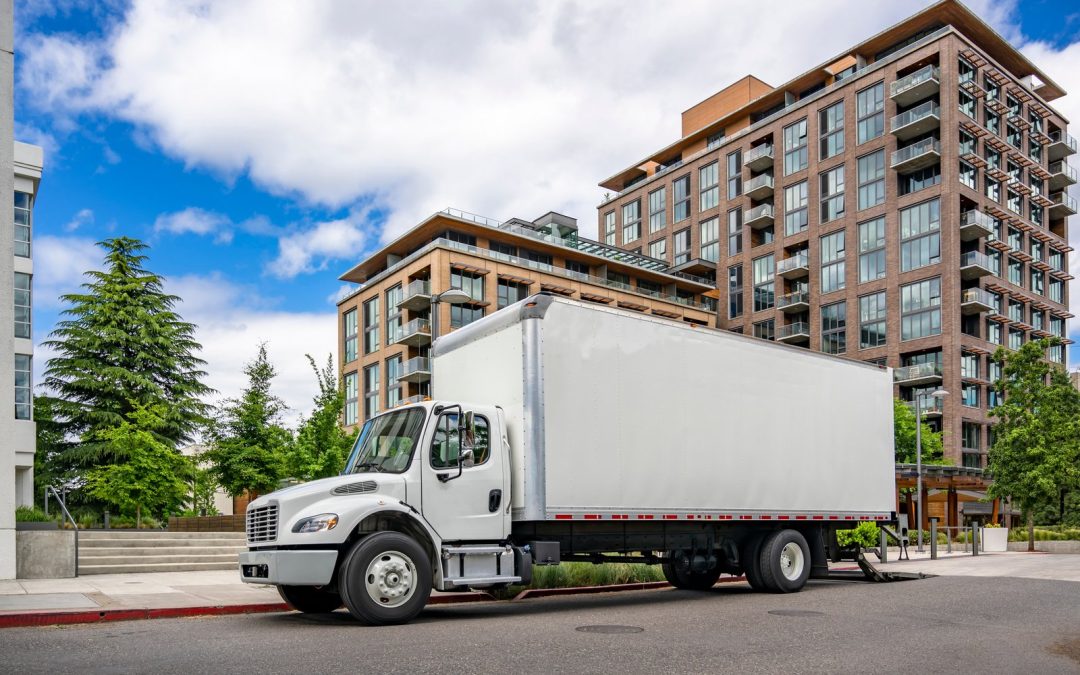
This guide covers New England cold-chain logistics growth 2026 with practical insights from Highway Driver Leasing for drivers and fleets across New England.
New England cold-chain logistics growth 2026 is accelerating faster than many fleet operators expected. Rising demand for temperature-controlled freight in food, pharmaceuticals, and biotech is pushing carriers to expand fleets, upgrade equipment, and secure more CDL drivers who can handle reefer and freezer runs across the six-state region.
For more on this topic, see our guide on driver staffing across New England.This article breaks down the key drivers, capacity trends, infrastructure investments, and workforce implications that logistics and construction decision-makers need to know right now. Whether you manage a private fleet in Massachusetts or run dedicated routes through Maine and Vermont, the data shows clear pressure on driver availability and equipment utilization heading into 2026.
In This Guide
- What Is Driving New England Cold-Chain Logistics Growth 2026
- Current Capacity and Fleet Expansion Trends
- Workforce Implications for Fleet Managers and HR Leads
- Infrastructure and Technology Investments Shaping the Market
- Regional Differences Across the Six States
- Preparing Your Operation for Continued Growth
- Key Takeaways
What Is Driving New England Cold-Chain Logistics Growth 2026
Several converging factors are fueling expansion. First, the regional food distribution network continues to shift toward just-in-time delivery. Grocery chains, meal-kit providers, and institutional foodservice operators all require tighter temperature control from dock to door. At the same time, New England’s pharmaceutical and biotechnology corridor, stretching from Boston to New Haven, is generating higher volumes of cold-chain clinical trial materials and commercial biologics.
For current federal guidance, see the U.S. Department of Transportation.As of 2026, projections from industry analysts estimate a 14-19 percent compound annual growth rate in temperature-controlled freight movements within the Northeast corridor. These figures vary by employer and year, but the directional trend is consistent: more loads, shorter transit windows, and stricter compliance standards.
Regulatory pressure is also playing a role. Updated FMCSA guidelines on electronic logging devices and hours-of-service rules for refrigerated hauls have forced many smaller carriers to either modernize or exit the segment. Larger operators are absorbing that capacity, which in turn increases their need for reliable, DOT-compliant CDL drivers who understand pre-trip reefer inspections and temperature logging protocols.

Current Capacity and Fleet Expansion Trends
Current Capacity and Fleet Expansion Trends
Fleet managers across Massachusetts, Connecticut, Rhode Island, New Hampshire, Vermont, and Maine are reporting utilization rates on refrigerated trailers running 8-12 percent higher than the same period two years ago. Many carriers have already placed orders for 2026 model-year tractors equipped with the latest electric auxiliary power units and multi-temperature trailer systems.
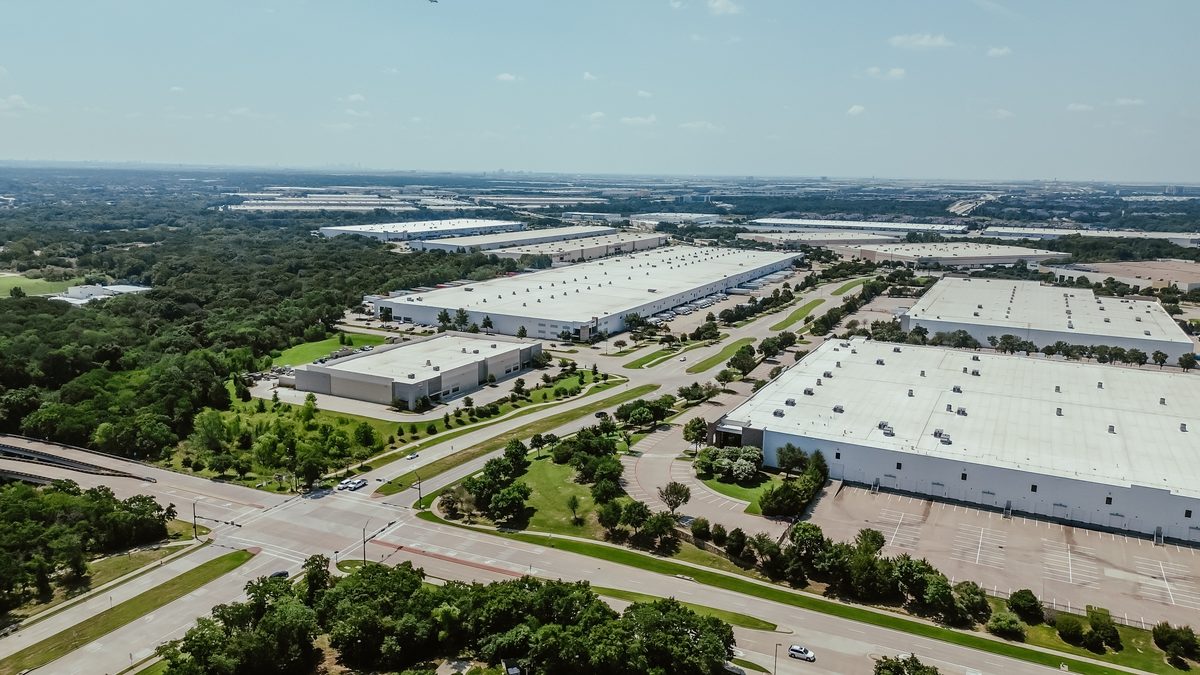
For more on this topic, see our guide on Connecticut logistics infrastructure update 2026.Construction of new cold-storage facilities is another visible sign of momentum. Developers broke ground on three major distribution centers in 2025: a 180,000-square-foot facility outside Worcester, a 240,000-square-foot site in southern New Hampshire, and a 150,000-square-foot expansion at the Port of Portland. Each project is expected to come online between late 2026 and mid-2027, adding significant outbound freight volume that must be moved by qualified Class A drivers.
Equipment lead times remain a challenge. Lead times for new reefer units have stretched to 10-14 months in some cases, prompting many companies to extend leases on existing trailers or explore leasing partnerships to maintain flexibility. This environment rewards carriers that can scale driver counts quickly without sacrificing safety or compliance.
Workforce Implications for Fleet Managers and HR Leads
Workforce Implications for Fleet Managers and HR Leads
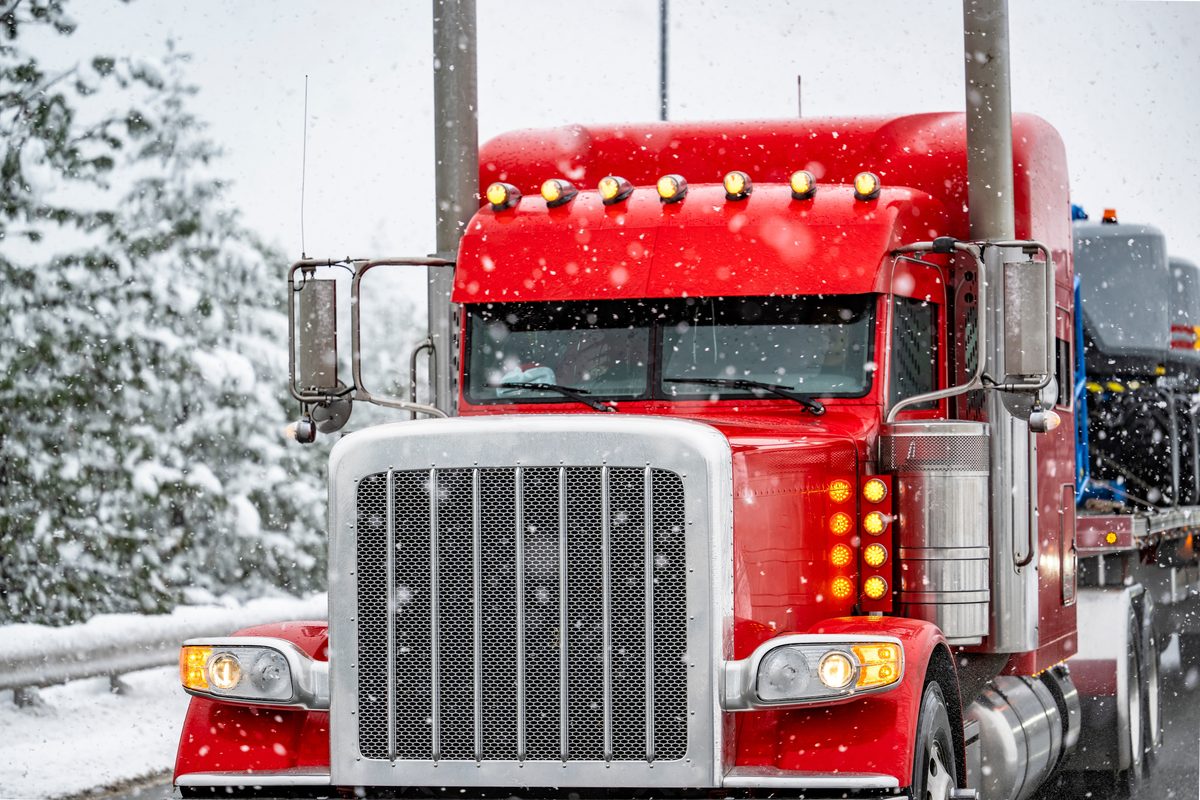
The cold-chain boom directly impacts driver recruiting and retention. Temperature-controlled runs often involve night or early-morning dispatches, strict on-time performance requirements, and additional training on load securement for perishable goods. As a result, turnover rates for reefer drivers in New England have hovered between 28 and 41 percent annually, depending on pay scales and home-time policies.
Many fleets are responding by increasing sign-on bonuses, adjusting pay-per-mile rates for refrigerated freight, and offering dedicated routes that limit overnight travel. Still, the supply of experienced CDL drivers who hold current medical cards and can pass stringent background checks has not kept pace with demand.
Highway Driver Leasing specializes in solving exactly this problem. We provide both temporary and permanent placement of Class A and Class B CDL drivers across all six New England states. Our screened, DOT-compliant workforce allows carriers to flex capacity during peak produce seasons or pharmaceutical surges without the long ramp-up of traditional recruiting cycles.
For more on this topic, see our guide on Vermont fuel tax 2026.If your operation is feeling the pinch of cold-chain growth, call (800) 332-6620 to discuss how we can support your driver needs in 2026 and beyond.
Infrastructure and Technology Investments Shaping the Market
Infrastructure and Technology Investments Shaping the Market
Official rules and updates are published by the Bureau of Transportation Statistics freight data.Public and private investment in supporting infrastructure is accelerating. The Massachusetts Port Authority and Connecticut Port Authority have both allocated funds to upgrade refrigerated container handling at key marine terminals. These improvements are expected to increase cross-docking efficiency and reduce dwell times for imported perishables.
On the technology side, more carriers are adopting real-time temperature monitoring platforms that integrate with ELDs and fleet management systems. As of 2026, many shippers are writing these capabilities into service contracts, effectively making them table stakes for new business. Fleets that delay modernization risk losing market share to competitors who can prove continuous temperature compliance from pickup to delivery.
Training programs are also evolving. Several community colleges and private CDL schools in the region have added dedicated reefer modules to their curricula. These programs focus on proper pre-cooling procedures, understanding eutectic plates, and troubleshooting common trailer refrigeration faults. Fleet managers who partner with these schools gain earlier access to new graduates who already understand the unique demands of cold-chain logistics.
Regional Differences Across the Six States
Cold-chain logistics growth 2026 is not uniform across New England. Massachusetts and Connecticut see the highest concentration of pharmaceutical and biotech loads, which often command premium rates but require drivers with clean hazmat records and meticulous documentation habits.
For more on this topic, see our guide on Maine trucking news this quarter.Vermont and New Hampshire are experiencing strong growth in dairy, maple products, and specialty food shipments. These routes tend to be shorter but involve more frequent stops and tighter delivery windows. Maine’s cold-chain activity remains heavily tied to seafood and wild blueberry movements, with seasonal spikes that can strain even the most prepared staffing plans.
Rhode Island serves as a strategic transfer point for many national carriers moving product between the Boston and New York metro areas. Its central location makes it attractive for cross-dock operations, but parking and driver break facilities remain limited, creating daily operational friction that HR teams must manage.
Understanding these state-by-state nuances helps logistics decision-makers allocate equipment and personnel more effectively. It also underscores why flexible driver staffing solutions are becoming essential rather than optional.
Preparing Your Operation for Continued Growth
Fleet managers and HR leads who act early will hold a competitive advantage. Three immediate steps stand out:
- Audit current driver rosters for cold-chain experience and refresher training needs.
- Review lease versus purchase options for both tractors and refrigerated trailers to maintain capital flexibility.
- Build relationships with proven staffing partners who can deliver vetted CDL drivers on short notice.
The cold-chain segment rewards reliability. Shippers are willing to pay more for carriers that consistently meet temperature specs and on-time targets. Those carriers, in turn, need enough qualified drivers to protect that service level when volumes spike.
Highway Driver Leasing remains focused on helping New England carriers meet these demands. Our network of experienced CDL professionals allows you to scale safely and compliantly as the market expands.
Key Takeaways
- New England cold-chain logistics growth 2026 is projected to outpace general freight, driven by food, pharma, and biotech demand.
- Fleet expansion, new cold-storage construction, and stricter technology requirements are creating sustained pressure on driver availability.
- Turnover rates for reefer and freezer drivers remain elevated; flexible staffing partnerships can help maintain service levels.
- State-by-state differences in freight mix require tailored recruiting and equipment strategies.
- Early investment in driver training, modern reefer technology, and reliable staffing support will separate market leaders from the rest of the field.
The window to secure capacity and talent for 2026 is narrowing. Smart operators are moving now to lock in the resources they will need when the peak hits.
Call (800) 332-6620 today to speak with a Highway Driver Leasing specialist about building a scalable, compliant driver solution for your cold-chain operation.
Frequently Asked Questions
What is the projected growth rate for cold-chain freight in New England through 2026?
Industry forecasts point to a 14-19 percent compound annual growth rate for temperature-controlled movements, though exact figures vary by employer, commodity type, and year.
Which sectors are fueling the strongest cold-chain demand in the region?
Food distribution, pharmaceuticals, biotechnology, and specialty perishables such as seafood and dairy are the primary growth engines across Massachusetts, Connecticut, Rhode Island, New Hampshire, Vermont, and Maine.
How is the driver shortage affecting refrigerated carriers specifically?
Reefer and freezer routes typically see higher turnover due to irregular hours, stricter compliance standards, and added equipment knowledge requirements. Many fleets are turning to staffing partners to maintain adequate headcount without compromising safety records.
What steps should fleet managers take now to prepare for 2026 volume increases?
Conduct a driver skills audit, evaluate equipment modernization plans, strengthen relationships with reliable CDL staffing providers, and map state-specific freight patterns to optimize route and personnel allocation.