
Fleet managers and logistics leaders across Massachusetts, Connecticut, Rhode Island, New Hampshire, Vermont, and Maine face another round of insurance adjustments in 2026. The New England trucking insurance market 2026 brings higher premiums, stricter underwriting, and fresh requirements tied to safety scores and claims history. Carriers that prepare now will hold an edge as capacity tightens and rates continue their upward climb.
This update pulls together current projections, regional factors, and practical steps that transportation companies can take to manage costs without sacrificing coverage. Whether you run a private fleet, manage construction hauls, or broker freight across the six-state region, the shifts ahead will touch every operation.
In This Guide
- Current State of the New England Trucking Insurance Market
- Key Factors Shaping the 2026 Market
- How Rising Insurance Costs Affect Fleet Operations
- Strategies to Control Insurance Costs in 2026
- Preparing Your Fleet for Rate Changes
- Key Takeaways
Current State of the New England Trucking Insurance Market
For more on this topic, see our guide on driver staffing across New England.As of early 2025, the New England trucking insurance market already shows double-digit increases in liability and physical damage premiums. Industry analysts expect the trend to carry into 2026 with an average rise between 8 and 15 percent, depending on fleet size, loss ratio, and ELD compliance records. Smaller fleets under 25 trucks often see the steepest jumps because insurers spread risk across fewer units.
For current federal guidance, see the Bureau of Transportation Statistics freight data.Several forces drive these numbers. Nuclear verdicts in truck accident cases remain a national concern, but New England courts have delivered several multi-million-dollar outcomes in the past 24 months. Insurers respond by tightening capacity and raising deductibles. At the same time, severe winter weather events and rising repair costs for late-model tractors push physical damage rates higher.
Reinsurance costs also play a role. Many carriers that write trucking policies in the Northeast purchase reinsurance on the global market. Those prices climbed again in 2024 and are expected to stay elevated through 2026. The result is less appetite for high-risk accounts and more emphasis on fleets that can prove strong safety programs.
Regional differences appear across the six states. Massachusetts and Connecticut fleets typically pay the highest premiums due to dense population corridors and higher accident frequency. Vermont and Maine operations sometimes receive modest discounts for lower annual mileage, yet they face added scrutiny around seasonal logging and agricultural hauls. Rhode Island and New Hampshire sit in the middle, with rates influenced heavily by interstate versus intrastate mix.

Key Factors Shaping the 2026 Market
Key Factors Shaping the 2026 Market
Three main elements will define the New England trucking insurance market 2026: driver safety records, regulatory alignment, and claims severity.
First, insurers lean harder on CSA scores and preventable accident rates. Any BASIC score above the 65th percentile can trigger higher premiums or force a fleet into a high-risk carrier. Fleets that maintain scores below the 40th percentile across all categories often secure better terms even when overall market rates rise.
For more on this topic, see our guide on New England chassis shortage update 2026.Second, the FMCSA continues to emphasize drug and alcohol testing compliance, hours-of-service adherence, and proper vehicle maintenance documentation. Carriers that integrate these elements into daily operations demonstrate lower risk and usually receive more favorable underwriting reviews. As of 2026, expect underwriters to request more frequent safety audit summaries and real-time telematics reports.
Third, the cost and frequency of large claims continue to climb. Even one major bodily injury claim can move a fleet’s experience modification factor enough to increase premiums by 20 percent or more for the following two policy years. Insurers now run deeper analytics on dash-cam footage, ELD data, and post-accident drug testing results before renewing coverage.
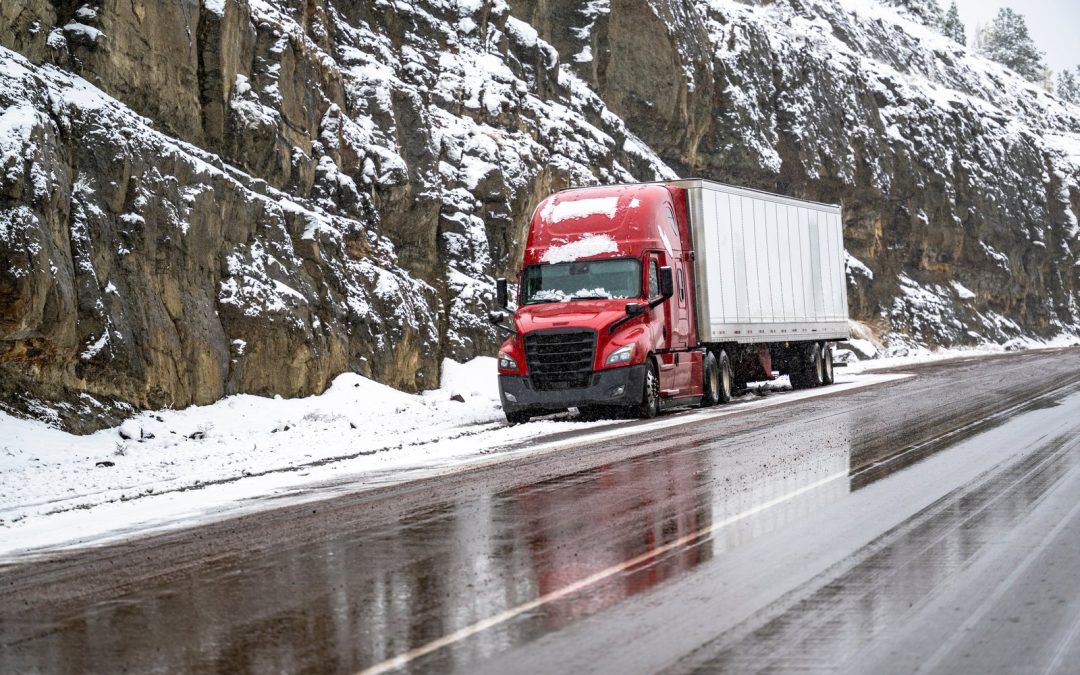
Weather also remains a wildcard. The increasing frequency of winter storms, flooding, and high winds in coastal areas adds volatility. Carriers that can show proactive route adjustments and weather-related safety protocols may earn slight pricing advantages.

How Rising Insurance Costs Affect Fleet Operations
How Rising Insurance Costs Affect Fleet Operations
Higher insurance expenses ripple through every budget line. Fuel, maintenance, and driver wages already consume large shares of revenue. When liability premiums jump another 10 percent in 2026, many companies must either raise rates, reduce headcount, or find efficiencies elsewhere.
Driver recruitment and retention become more difficult when insurance costs limit wage growth. Experienced CDL drivers know that fleets with poor safety records or frequent rate hikes often cut corners on equipment or benefits. This creates a cycle: higher insurance leads to higher turnover, which leads to more inexperienced drivers and, in turn, higher insurance.
Construction and specialized hauling companies in New England feel extra pressure. Many projects require specific coverage limits that exceed standard policies. As those minimum limits climb, so do premiums. Some smaller contractors already report dropping marginal jobs because the added insurance burden erases profit.
For more on this topic, see our guide on Vermont trucking regulations 2026.Capacity also tightens. Some regional insurers have reduced their trucking books or exited certain segments entirely. The remaining carriers grow more selective. Fleets with claims frequency above 0.75 per million miles often struggle to find competitive quotes at all.
Official rules and updates are published by the FMCSA Regulations.These pressures make stable, compliant driver staffing more valuable than ever. Companies that maintain low turnover and consistent safety performance protect their insurance renewals and their bottom line.
Strategies to Control Insurance Costs in 2026
Strategies to Control Insurance Costs in 2026
Fleet managers cannot control the broader market, but they can influence their own risk profile. Several proven approaches help reduce insurance pressure in the New England trucking insurance market 2026.
Start with a formal safety management system that goes beyond basic FMCSA requirements. Documented driver training, regular vehicle inspections, and post-incident reviews create a paper trail underwriters respect. Many insurers now offer premium discounts of 5 to 12 percent for fleets that complete third-party safety audits each year.
Telematics and video systems deliver measurable returns. Carriers that install forward-facing cameras and harsh-event monitoring often see 15 to 25 percent reductions in preventable accidents within the first 18 months. Insurers notice these improvements during renewal and adjust rates accordingly.
Careful driver selection and onboarding matter. Background checks, previous employment verification, and thorough road tests help avoid high-risk hires. Fleets that partner with experienced staffing providers can access pre-screened, DOT-compliant drivers who already carry clean records.
For more on this topic, see our guide on New England diesel emissions regulations 2026.Review policy structure each year. Raising deductibles on physical damage, adding higher liability limits only where contracts require them, and exploring group purchasing arrangements can trim costs. Some fleets form safety alliances with other regional carriers to share best practices and sometimes negotiate better collective rates.
Finally, maintain open communication with your insurance broker. Share safety metrics, training records, and telematics summaries well before renewal. Early dialogue often leads to better terms than last-minute submissions.
Highway Driver Leasing helps fleets in all six New England states strengthen their safety profiles by supplying experienced Class A and Class B drivers who meet strict DOT standards. Whether you need temporary coverage during peak seasons or permanent placements to stabilize your workforce, consistent access to qualified drivers supports lower claims and smoother insurance renewals. Call (800) 332-6620 to discuss how driver staffing can fit into your 2026 risk management plan.
Preparing Your Fleet for Rate Changes
The window to prepare for 2026 renewals is now. Most policies renew on calendar-year or fiscal-year schedules, so fleets should begin gathering updated safety data by late summer 2025.
Create a centralized insurance file that includes the past three years of loss runs, current CSA scores, training completion reports, and telematics summaries. Update this file quarterly so it is always ready for underwriters.
Consider a formal insurance market review every 18 to 24 months. Even loyal carriers sometimes lose competitiveness. A fresh look at available options can reveal new carriers entering the New England market or existing ones changing appetite.
Budget for increases. Conservative planning that assumes a 12 percent rise gives breathing room if the actual adjustment lands lower. At the same time, build in contingency funds for large deductible claims that could appear mid-year.
Train dispatchers and fleet managers on the connection between daily decisions and insurance outcomes. When everyone understands how hours-of-service violations or improper loading can affect future premiums, compliance improves.
Monitor regulatory proposals at both state and federal levels. New England legislatures occasionally introduce additional insurance mandates or minimum coverage levels that affect trucking. Staying ahead of these discussions prevents surprise compliance costs.
Key Takeaways
- The New England trucking insurance market 2026 will feature continued premium increases between 8 and 15 percent on average, with higher jumps possible for fleets with elevated loss ratios or CSA scores.
- Underwriters will place heavier weight on safety documentation, telematics data, and claims history; fleets that improve these metrics can partially offset rate pressure.
- Driver turnover and inexperienced hires directly influence insurance costs; stable, well-screened CDL staffing helps protect renewals.
- Proactive steps such as third-party safety audits, camera systems, and regular policy reviews deliver measurable savings and stronger negotiating positions.
- Partnering with a reliable driver staffing provider like Highway Driver Leasing can strengthen safety records and operational consistency across Massachusetts, Connecticut, Rhode Island, New Hampshire, Vermont, and Maine.
Frequently Asked Questions
How much are trucking insurance rates expected to rise in New England in 2026?
Most fleets should plan for increases between 8 and 15 percent, although exact figures vary by loss history, fleet size, and safety metrics. Carriers with strong CSA scores and low claims frequency may see smaller adjustments.
Which New England states face the highest trucking insurance costs?
Massachusetts and Connecticut generally carry the highest premiums due to traffic density and claims activity. Vermont and Maine sometimes receive modest relief based on lower annual mileage, but all six states feel the effects of the hardening market.
Can better safety programs really lower insurance premiums in 2026?
Yes. Fleets that document training, maintain strong telematics data, and achieve low CSA scores often qualify for discounts ranging from 5 to 12 percent. Insurers increasingly reward measurable risk reduction.
How can driver staffing help manage insurance costs?
Consistent access to experienced, DOT-compliant CDL drivers reduces turnover and preventable incidents. Lower claims frequency and improved safety scores support more favorable underwriting and can limit premium increases at renewal.
Ready to strengthen your fleet’s safety profile and control insurance pressure? Call Highway Driver Leasing at (800) 332-6620 to discuss flexible CDL driver solutions tailored to New England operations.