

The ELDT theory rule explained simply means that every new commercial driver’s license applicant in the United States must complete federally approved theory training before they can take their CDL skills test. This requirement, enforced by the Federal Motor Carrier Safety Administration, went into full effect in 2022 and applies to anyone seeking a Class A or Class B CDL, as well as certain endorsements.
If you live in Massachusetts, Connecticut, Rhode Island, New Hampshire, Vermont, or Maine and want to start a trucking career, understanding the ELDT theory rule is your first concrete step. This guide walks you through exactly what the rule requires, how to meet it, and what comes next so you can move efficiently from application to behind-the-wheel training.
In This Guide
- What Is the ELDT Theory Rule and Why Does It Exist?
- Who Must Comply with the ELDT Theory Rule?
- Breaking Down the ELDT Theory Curriculum
- Step-by-Step: How to Complete Your ELDT Theory Training
- Common Mistakes New England Drivers Make with ELDT
- How Highway Driver Leasing Supports New CDL Drivers
- Key Takeaways
What Is the ELDT Theory Rule and Why Does It Exist?
For more on this topic, see our guide on driver staffing across New England.The Entry-Level Driver Training (ELDT) rule was created to raise the baseline knowledge and safety standards for new commercial drivers. Before ELDT, states set their own training standards, which led to wide differences in driver preparedness. The ELDT theory rule standardized the classroom portion of training across the country.
For current federal guidance, see the ELDT Training Provider Registry.Under the rule, you must finish a set number of theory topics before your state will allow you to schedule a CDL skills test. The theory training covers federal regulations, safe operating practices, vehicle systems, cargo handling, and hazard recognition. Training providers must be listed on the official Training Provider Registry (TPR), and every student receives a unique Training Provider Registry number upon completion.
For more on this topic, see our guide on CDL Class A license in Connecticut.The goal is straightforward: reduce crashes, improve compliance, and make sure every new driver starts with the same core knowledge. For drivers in New England, this means your local training school or program must follow the exact same curriculum used in California or Texas. Consistency matters when you cross state lines every day.
Who Must Comply with the ELDT Theory Rule?
Who Must Comply with the ELDT Theory Rule?
You need to complete ELDT theory training if any of the following apply:
- You are applying for your first Class A CDL
- You are applying for your first Class B CDL
- You currently hold a Class B CDL and want to upgrade to Class A
- You are adding a hazardous materials (H), tanker (N), or passenger (P) endorsement for the first time
Official rules and updates are published by the FMCSA Entry-Level Driver Training rule.For more on this topic, see our guide on CDL school cost in New Hampshire.You do not need to repeat ELDT theory if you already hold a valid CDL issued before February 7, 2022 and are simply renewing or transferring your license. However, if your CDL was revoked or if you let it expire for more than one year in some states, you may need to start over.
Aspiring drivers in New England should check with their local RMV, DMV, or DOT office early. Massachusetts, for example, requires proof of ELDT completion before it will schedule a skills exam. The same applies in Connecticut, Rhode Island, New Hampshire, Vermont, and Maine.
Breaking Down the ELDT Theory Curriculum
Breaking Down the ELDT Theory Curriculum
For more on this topic, see our guide on CDL school cost in Maine.The FMCSA mandates seven major theory topics. Training providers must cover every item before issuing a completion certificate. Here is what you will study:
Basic Operation
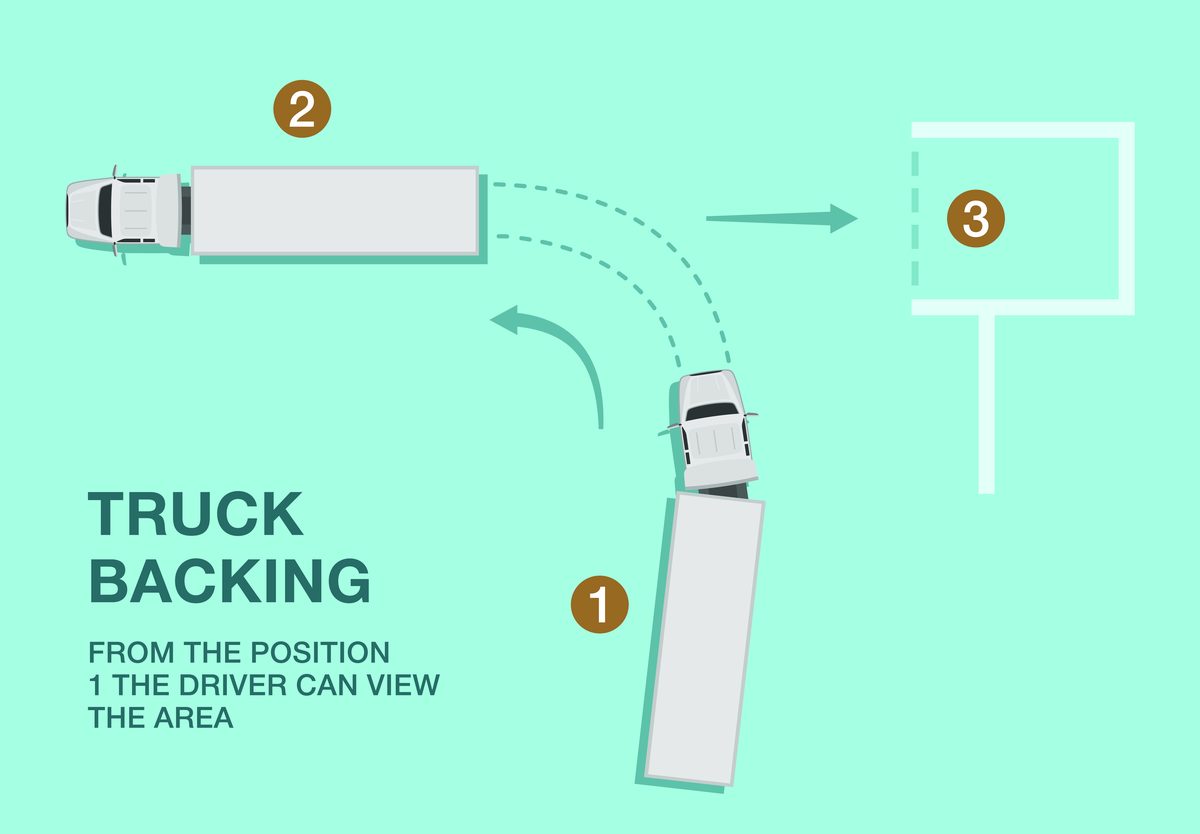
This section covers vehicle control, shifting, backing, and basic maneuvers. Expect detailed lessons on double-clutching, proper rpm ranges, and safe speed management in different weather conditions common to New England winters.
Safe Operating Procedures
You will learn pre-trip and post-trip inspections, coupling and uncoupling, and night driving techniques. In New England, special attention is given to mountain driving on routes like Interstate 91 and handling black ice on secondary roads.
Advanced Operating Practices
Topics include speed management, space management, and emergency maneuvers. Skid control and recovery receive heavy emphasis because of the frequent snow and ice drivers face from Maine to Connecticut.
Vehicle Systems and Reporting Malfunctions
You must understand how engines, brakes, steering, and suspension systems work. The training explains how to recognize problems and what to report to your carrier or mechanic.
Cargo Handling and Securement
This is especially important for flatbed, dry van, and tanker drivers. You will learn weight distribution, load securement methods, and rules specific to different cargo types. New England lumber haulers and seafood transporters will find these lessons directly applicable.
Hours of Service Requirements
Federal hours-of-service rules are covered in depth. You will learn the 11-hour driving limit, 14-hour on-duty limit, 30-minute break requirement, and sleeper-berth rules. Accurate logbook training, whether electronic or paper, is included.
Hazard Recognition and Emergency Procedures
This section teaches you to identify hazards early and respond correctly. Weather-related hazards common in the Northeast, bridge clearances on older New England roads, and railroad crossing safety receive focused attention.
Details and the latest requirements are available through the FMCSA CDL Testing Standards.Each topic includes learning objectives that training providers must test. Most programs combine reading, video lessons, and quizzes. The entire theory portion typically takes 20 to 30 hours depending on the training provider and your pace.

Step-by-Step: How to Complete Your ELDT Theory Training
Step-by-Step: How to Complete Your ELDT Theory Training
Follow these numbered steps to stay on track and avoid common mistakes.
-
Choose a registered training provider
Visit the official FMCSA Training Provider Registry and search for schools or online programs accepted in your state. Confirm the provider is listed for both theory and behind-the-wheel training if you plan to complete both with the same organization. Many community colleges and private truck schools across New England are now on the registry. -
Create your Training Provider Registry (TPR) account
Before training begins, you will need to register in the federal system. Your chosen provider will guide you through this. Keep your username and password; you will need them later. -
Complete the theory training
Work through all seven sections. Most providers allow you to study at your own pace online, which works well for drivers who still hold full-time jobs. Pay close attention to New England-specific examples when offered. -
Pass all required knowledge assessments
You must achieve a passing score on each section test. If you fail, most programs let you review the material and retake the test. Keep studying until you pass every module. -
Receive your official ELDT certificate
Once you finish, the training provider uploads your results to the federal database and gives you a certificate. Save this document; you will need it when you apply for your CDL. -
Schedule your CDL skills test
Bring your ELDT certificate to your local licensing office. In Massachusetts you go to the RMV, in Connecticut to the DMV, and so on. Only after they verify your training will they allow you to book the pre-trip, backing, and road test. -
Move on to behind-the-wheel training
The ELDT rule also requires range and road training. You must complete this portion with a registered provider before you can receive your CDL. Many students finish theory first, then immediately start driving practice.
Common Mistakes New England Drivers Make with ELDT
- Signing up with a training provider not listed on the federal registry. Your certificate will be rejected.
- Assuming your old company-sponsored training counts. It usually does not unless that company was a registered provider at the time.
- Waiting until the last minute to complete theory. Slots at popular New England schools fill quickly, especially before spring construction season.
- Losing the certificate. Digital copies are usually available, but having a printed backup saves time at the RMV or DMV.
- Trying to test without uploading results. The state system must show your ELDT completion before they will let you take the skills test.
How Highway Driver Leasing Supports New CDL Drivers
At Highway Driver Leasing, we work with many drivers who have just finished their ELDT training. We place Class A and Class B drivers in both temporary and permanent positions throughout Massachusetts, Connecticut, Rhode Island, New Hampshire, Vermont, and Maine. Our team understands the challenges of the first year on the road and can connect you with carriers that provide strong mentorship programs.
If you have completed your ELDT theory and behind-the-wheel training but need help finding consistent work, we can help. Many of our partner companies specifically look for new drivers who finished their training at reputable schools.
Call (800) 332-6620 today to speak with a recruiter about current opportunities that match your new CDL and location preferences.
Key Takeaways
- The ELDT theory rule requires all new CDL applicants to complete federally approved classroom training before taking their skills test.
- Seven core topics must be covered: basic operation, safe operating procedures, advanced practices, vehicle systems, cargo securement, hours of service, and hazard recognition.
- Training must be completed through a provider listed on the official FMCSA Training Provider Registry.
- New England states enforce the rule strictly; you cannot schedule a CDL exam without proof of ELDT completion.
- Completing your theory training is only the first half; you must also finish behind-the-wheel training with a registered provider.
Frequently Asked Questions
How long does ELDT theory training take?
Most students finish the theory portion in 20 to 30 hours. Self-paced online programs let you spread this over several weeks while you continue working.
Can I take ELDT theory training completely online?
Yes. Many approved providers offer fully online theory courses. However, the behind-the-wheel portion must be completed in person with a qualified instructor.
Does the ELDT theory rule apply if I already have a CDL from another state?
If you already hold a valid CDL issued before February 7, 2022, you do not need to retake ELDT when transferring to a New England state. New first-time applicants must complete the training regardless of where they live.
What happens if I fail a section of the ELDT theory course?
You can review the material and retake the test. Training providers are required to let students attempt each section until they pass, though some may charge additional fees for repeated testing.
Ready to turn your ELDT certificate into a steady paycheck? Call Highway Driver Leasing at (800) 332-6620 and let us match you with CDL driving opportunities across the six New England states.