

This guide covers Connecticut logistics infrastructure update 2026 with practical insights from Highway Driver Leasing for drivers and fleets across New England.
Fleet managers and logistics leaders across New England face a shifting landscape in 2026. Connecticut’s logistics infrastructure update 2026 brings new highway improvements, expanded port capacity, and targeted warehouse developments that will reshape freight flows from New York City through Boston and beyond. These changes arrive at a time when driver shortages continue to strain operations, making it essential for companies to align equipment, routing, and staffing strategies with the updated network.
For more on this topic, see our guide on driver staffing across New England.This article breaks down the major projects, expected timelines, and operational impacts for transportation and construction firms that move goods through the state. Readers will also find practical steps to prepare fleets and secure reliable CDL drivers as the new infrastructure comes online.
In This Guide
- Major Highway and Bridge Projects Underway
- Port of New Haven and Rail Connectivity Gains
- Warehouse and Distribution Center Expansion
- Impact on CDL Driver Demand and Workforce Strategy
- Preparing Your Operation for 2026 and Beyond
- Key Takeaways
Major Highway and Bridge Projects Underway
Connecticut’s highway network forms the backbone of regional freight movement. As of 2026, several long-planned upgrades reach key milestones that directly affect trucking efficiency.
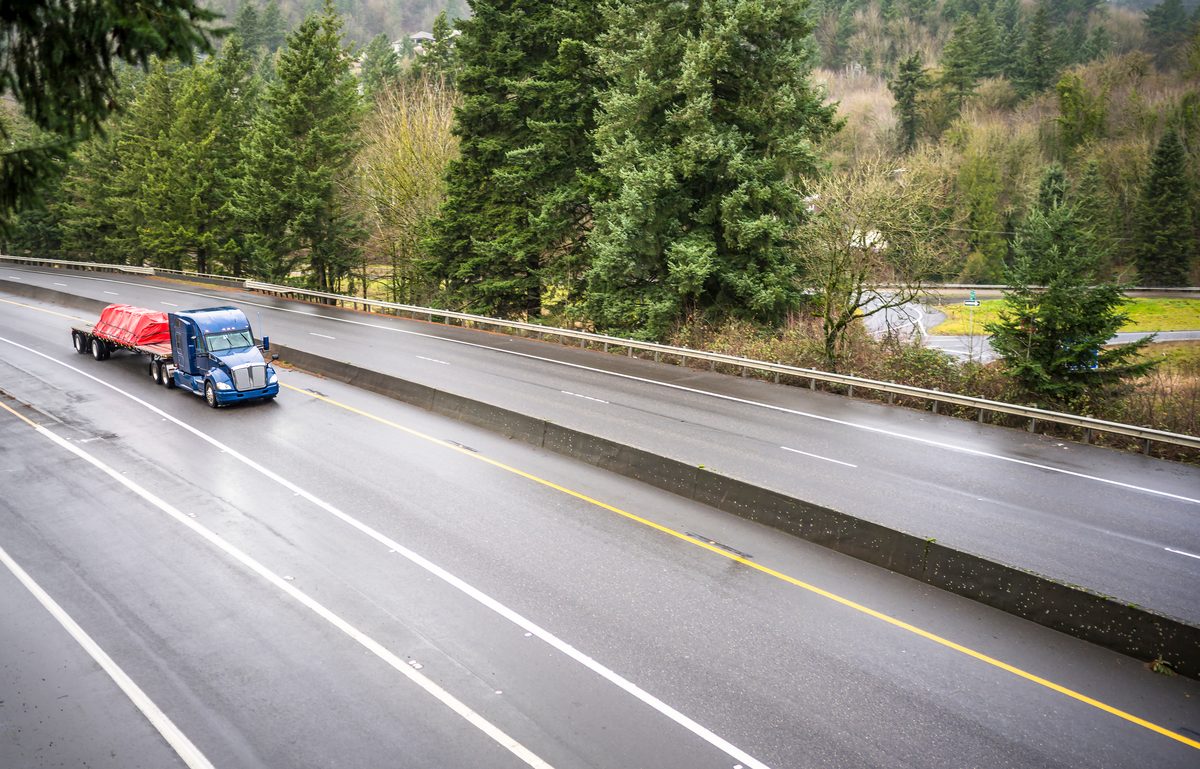
For current federal guidance, see the FMCSA Regulations.The I-95 corridor between New Haven and the Rhode Island line sees widened sections and improved interchange designs. These modifications reduce recurring bottlenecks that have historically added 30 to 45 minutes to southbound runs during peak hours. Construction crews completed the final bridge rehabilitations in late 2025, allowing full-speed operations across all lanes starting January 2026.
Route 8 and Route 9 receive targeted safety and capacity enhancements. The Route 8 project includes new acceleration lanes at key industrial exits in Waterbury and Naugatuck. Fleet operators report that these changes cut merge-related delays by an estimated 15 to 20 percent based on early 2026 telemetry data. Figures vary by employer and year, but carriers running consistent routes already note measurable improvements in on-time delivery.
Bridge work on the Connecticut River crossings at I-91 and I-84 continues through mid-2026. While some overnight lane closures remain in effect until July, the completed sections now support heavier legal loads without the weight restrictions that slowed certain Class A combinations in prior years. Logistics decision-makers should review route planning software to confirm that new load limits are reflected in their systems.
For more on this topic, see our guide on Vermont trucking regulations 2026.These highway upgrades coincide with stricter enforcement of hours-of-service rules and electronic logging device compliance. Carriers that maintain a stable pool of DOT-compliant drivers gain a clear advantage when navigating the tighter schedules created by active construction zones.
Port of New Haven and Rail Connectivity Gains
Port of New Haven and Rail Connectivity Gains
Connecticut’s maritime facilities play an expanding role in relieving pressure on highway corridors. The Port of New Haven completes its final phase of berth deepening and crane modernization in Q1 2026. The project increases maximum vessel draft from 35 to 42 feet, enabling larger container ships to call directly rather than lightering cargo offshore.
This change is expected to boost annual container volume by 18 to 25 percent according to state economic forecasts. For logistics companies, the result is more frequent inbound freight that must be distributed quickly by truck or intermodal rail. The port’s on-dock rail expansion connects directly to the CSX Springfield line, offering new options for moving cargo north toward Massachusetts and Vermont without touching I-91 during morning rush periods.
HR leads responsible for regional distribution centers should factor these increased volumes into driver demand projections. A single additional weekly vessel call can require 12 to 18 extra daily truck moves depending on cargo type and destination. Temporary staffing partnerships help absorb these spikes without inflating permanent headcount during slower months.
Rail sidings in Hartford and New Britain also receive federal grants for signal upgrades and track strengthening. These improvements support longer unit trains and reduce switching times by up to 40 percent. Companies that operate private sidings or use rail for bulk commodities will see more predictable inbound schedules, which in turn makes driver routing and detention management easier to forecast.

Warehouse and Distribution Center Expansion
Warehouse and Distribution Center Expansion
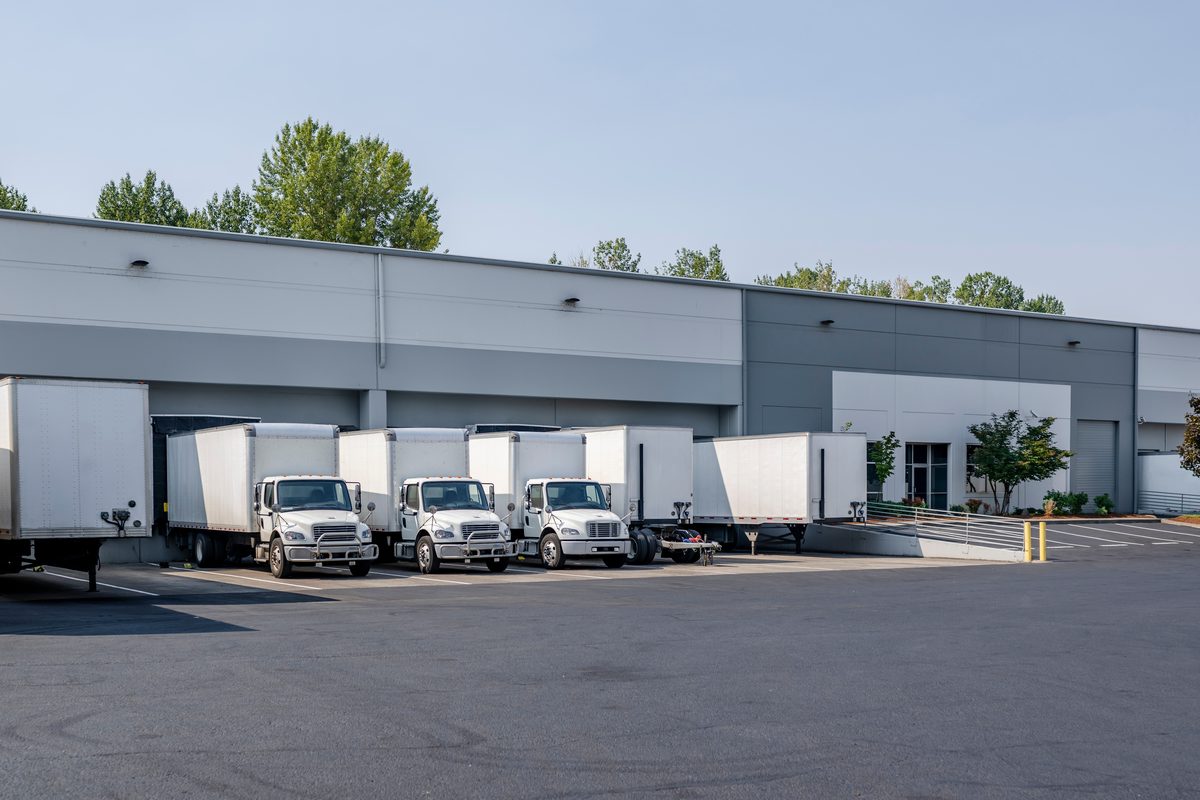
For more on this topic, see our guide on Massachusetts freight outlook 2026.Industrial real estate developers respond to the infrastructure improvements with new facilities positioned along the enhanced corridors. Three major warehouse projects break ground in 2025 and reach substantial completion by late 2026.
The largest is a 1.2 million square foot build-to-suit campus in Windsor Locks adjacent to Bradley International Airport. The site includes cross-dock doors optimized for 53-foot trailers and dedicated truck courts that accommodate simultaneous inbound and outbound flows. Early lease commitments from national retailers indicate strong demand for last-mile capacity serving the entire New England market.
Official rules and updates are published by the Bureau of Transportation Statistics freight data.Smaller but strategically located facilities open in Milford and Plainville. These mid-size buildings focus on e-commerce fulfillment and temperature-controlled storage. Their proximity to I-95 and Route 9 reduces last-leg delivery distances and allows carriers to turn trucks faster. Fleet managers report that shorter average haul lengths help reduce driver fatigue and improve retention when paired with predictable schedules.
Construction firms supporting these projects also increase demand for Class B drivers operating dump trucks, flatbeds, and concrete mixers. The overlap between building activity and logistics growth creates competition for qualified CDL holders across both sectors. Companies that maintain relationships with flexible staffing providers stay ahead of the curve.
As of 2026, many of these new facilities adopt electric vehicle charging infrastructure for both tractors and yard spotters. Early adopters note that charging schedules must be integrated into driver dispatch plans to avoid downtime. This adds another layer of complexity that benefits from experienced, adaptable drivers supplied through specialized leasing partners.
Impact on CDL Driver Demand and Workforce Strategy
Impact on CDL Driver Demand and Workforce Strategy
For more on this topic, see our guide on Rhode Island trucking news this quarter.Connecticut’s logistics infrastructure update 2026 intensifies an existing driver shortage. State labor statistics project a need for 1,800 to 2,400 additional CDL drivers by the end of 2027 to handle increased freight volume across all modes. The gap is most pronounced for local and regional routes that require daily returns to the new distribution centers.
Fleet managers face three immediate challenges. First, the improved highway speeds and reduced congestion allow tighter transit windows that demand precise on-time performance. Second, expanded port and rail activity creates irregular surge requirements that permanent staff alone cannot cover efficiently. Third, the construction of the warehouses themselves temporarily diverts drivers into building-related work, further tightening the labor pool.
Successful operators adjust by combining core full-time teams with flexible staffing solutions. Temporary and permanent driver placement services help maintain service levels during peak seasons and infrastructure transition periods. Highway Driver Leasing supplies both Class A and Class B drivers who arrive DOT-compliant and ready to work on short notice across Connecticut, Massachusetts, Rhode Island, New Hampshire, Vermont, and Maine.
Companies that build relationships with staffing partners early avoid the costly cycle of last-minute recruiting, overtime premiums, and service failures. The most effective strategies include pre-qualifying backup drivers for key routes, maintaining active orientation programs for new hires, and using technology to match driver availability with real-time freight needs.
Preparing Your Operation for 2026 and Beyond
Logistics leaders should take concrete steps now to capitalize on Connecticut’s infrastructure gains.
Begin by auditing current routes against the new lane configurations and load limits. Update GPS and routing platforms to reflect 2026 realities so dispatchers avoid unnecessary detours. Conduct a capacity analysis that models the expected volume increases from the Port of New Haven and new warehouse openings. Identify which lanes will require additional drivers and whether those runs favor solo or team operations.
Review your driver roster for upcoming retirement eligibility and hours-of-service compliance trends. Develop a contingency plan that includes both permanent hires and scalable temporary coverage. Engage with staffing providers that understand the regional market and can deliver pre-screened, safety-verified CDL talent on demand.
Consider technology upgrades that improve communication between drivers and dispatch, especially as more freight moves through intermodal connections. Real-time visibility tools help reduce detention time at the new port and distribution facilities, making jobs more attractive to quality drivers.
Finally, budget for potential changes in tolling, fuel taxes, or access fees that often accompany major infrastructure investment. While exact rates remain subject to legislative approval, forward-looking financial models should include a range of scenarios so rate negotiations with customers reflect true cost-to-serve.
Key Takeaways
- Connecticut’s logistics infrastructure update 2026 delivers meaningful reductions in highway congestion and expands port and rail capacity, creating both opportunity and pressure for freight carriers.
- New warehouse developments in Windsor Locks, Milford, and Plainville will generate sustained demand for local and regional CDL drivers throughout the second half of the decade.
- Flexible staffing arrangements become essential for handling volume surges tied to port calls, construction projects, and seasonal retail peaks.
- Early preparation of routing systems, driver recruiting pipelines, and technology platforms positions companies to capture market share as the network improvements take full effect.
- Partnering with an experienced CDL staffing provider helps maintain service levels without sacrificing safety or compliance standards.
Call (800) 332-6620 today to discuss how Highway Driver Leasing can support your driver needs as Connecticut’s logistics network evolves in 2026 and beyond.
Frequently Asked Questions
When will the I-95 improvements be fully complete?
The final bridge and widening segments on I-95 are scheduled to open to unrestricted traffic in January 2026, although some shoulder work and signage installation may continue through the first quarter.
How will the Port of New Haven expansion affect truck traffic?
Deeper berths and on-dock rail are projected to increase container volume by 18 to 25 percent, translating into additional daily truck moves that will primarily use I-95 and Route 9 corridors.
What types of CDL drivers are in highest demand for the new distribution centers?
Local and regional Class A drivers with clean safety records and experience in tight urban delivery environments are most sought after, along with Class B drivers for warehouse yard and construction support roles.
Should fleets adjust driver pay or schedules in response to the infrastructure changes?
Many carriers are shortening route cycles and adding surge pay or retention bonuses to keep experienced drivers in the face of increased competition from new facilities and construction projects.