
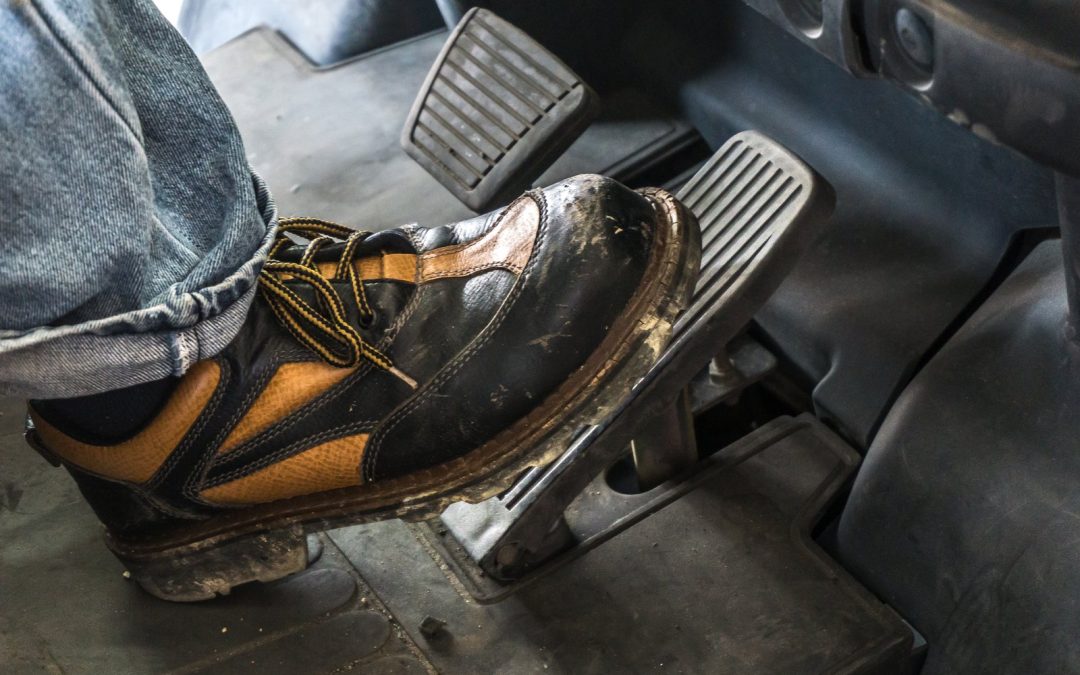
Obtaining a CDL Class B license in Maine opens doors to stable, well-paying driving careers in construction, delivery, dump truck operations, and local transit. Whether you are switching careers or entering the industry for the first time, this step-by-step guide walks you through every requirement, training option, and test you need to pass in the Pine Tree State.
Maine follows Federal Motor Carrier Safety Administration standards while adding its own state-specific rules through the Bureau of Motor Vehicles. Completing the process correctly the first time saves you time and money. This actionable guide covers eligibility, required documents, training programs, the three-part exam, costs, and what happens after you earn your license.
In This Guide
- Determine If a CDL Class B License Fits Your Career Goals
- Meet the Basic Eligibility Requirements
- Gather the Required Documents
- Complete Entry-Level Driver Training (ELDT)
- Study for and Pass the CDL Knowledge Tests
- Schedule and Pass the Pre-Trip Inspection, Basic Controls, and Road Test
- Pay the Fees and Receive Your Temporary License
- Add Necessary Endorsements
- Maintain Your CDL and Stay Compliant
- Common Mistakes to Avoid
- Job Opportunities After Earning Your CDL Class B License in Maine
- Key Takeaways
Determine If a CDL Class B License Fits Your Career Goals
For more on this topic, see our guide on CDL driver staffing in Maine.Before investing time and money, confirm that a Class B license matches the work you want. A CDL Class B license in Maine allows you to operate:
- Single vehicles with a gross vehicle weight rating of 26,001 pounds or more
- Vehicles towing a trailer not exceeding 10,000 pounds
- School buses, passenger vehicles, and many construction trucks
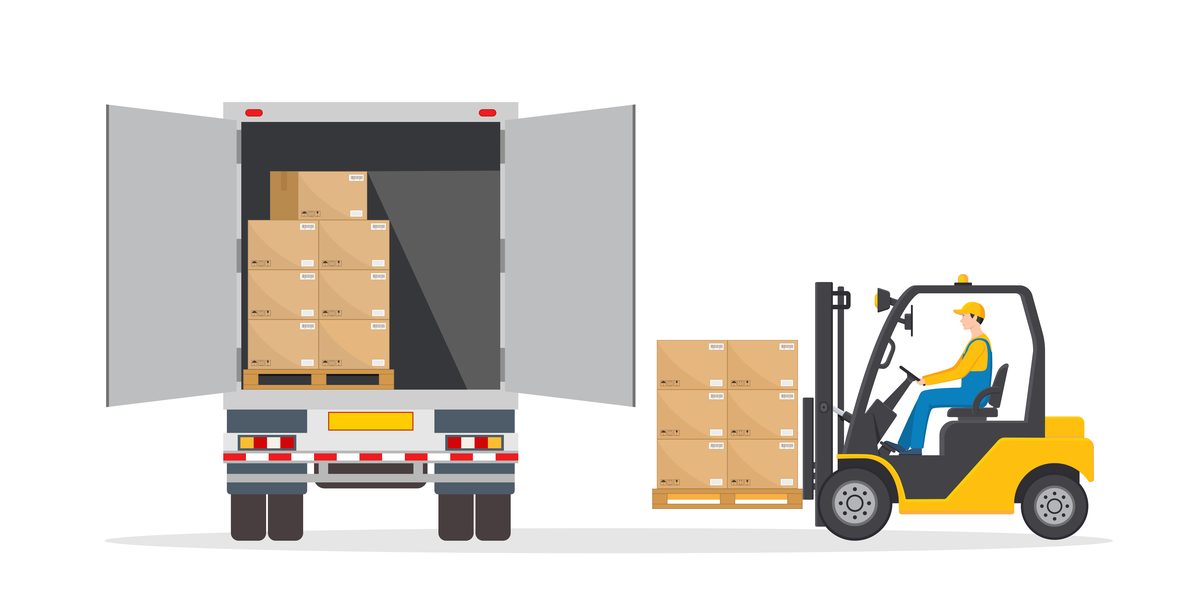
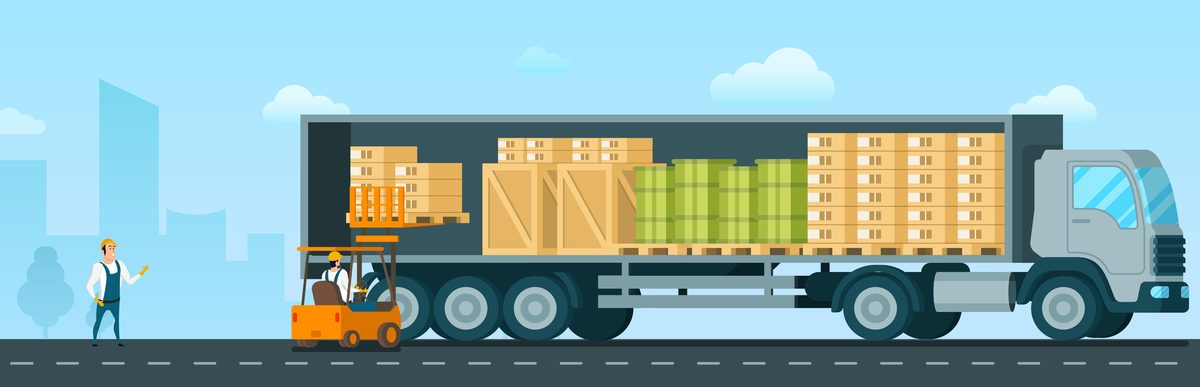
For current federal guidance, see the Maine BMV CDL information.Most dump truck drivers, concrete mixers, fuel delivery drivers, and local bus operators need only a Class B. If you plan to pull heavy trailers over 10,000 pounds, you will eventually need to upgrade to a Class A.
Many entry-level positions in Maine’s construction and logistics sectors start with Class B. Employers often provide on-the-job training and tuition reimbursement once you hold a valid license. Highway Driver Leasing regularly places qualified Class B drivers into both temporary and permanent roles across Maine and the rest of New England.
Meet the Basic Eligibility Requirements
Meet the Basic Eligibility Requirements
You must satisfy these minimum qualifications before applying for a CDL Class B license in Maine:
- Be at least 18 years old for intrastate driving (within Maine only). You must be 21 for interstate commerce.
- Hold a valid Maine Class C (regular) driver’s license.
- Have a clean driving record without disqualifying offenses in the past two years.
- Pass a DOT physical and obtain a Medical Examiner’s Certificate.
- Be able to read, speak, and understand English well enough to pass the knowledge and skills tests.
If you have any serious traffic violations, DUI convictions, or medical conditions that could affect safe driving, address those before starting the licensing process. The Maine BMV will deny your application if you fail to meet federal or state standards.
Gather the Required Documents
Prepare these items before visiting a Maine BMV office or starting a training program:
- Proof of identity (birth certificate or passport)
- Proof of Maine residency (utility bill, bank statement, or lease agreement)
- Current Maine driver’s license
- Social Security card or official letter from the Social Security Administration
- Completed Medical Examiner’s Certificate (Form MCSA-5876) from a certified DOT examiner
- Proof of insurance and vehicle registration if using your own truck for the skills test
For more on this topic, see our guide on CDL Class A license in New Hampshire.Having all documents ready prevents delays. The BMV accepts originals or certified copies; photocopies are usually rejected.
Complete Entry-Level Driver Training (ELDT)
Since February 2022, federal law requires all new CDL applicants to complete Entry-Level Driver Training from a provider listed on the FMCSA Training Provider Registry. This rule applies to anyone obtaining a CDL Class B license in Maine for the first time.
Look for FMCSA-approved programs at Maine community colleges, private truck schools, or union apprenticeship programs. A typical Class B ELDT course includes 30–40 hours of classroom instruction and 15–20 hours behind the wheel. Topics cover:
- Hours of service and logbook rules
- Vehicle inspection procedures
- Safe driving practices for heavy vehicles
- Cargo securement
- Emergency procedures
Official rules and updates are published by the FMCSA Entry-Level Driver Training rule.Many programs in Portland, Bangor, and Lewiston schedule both day and evening classes to accommodate working students. Tuition ranges from $2,500 to $5,000 depending on the school and whether the price includes the use of a training vehicle for the skills test. Some employers partner with schools and cover part or all of the cost once you commit to working for them.
After finishing the training, the school uploads your completion record to the FMCSA database. You cannot schedule your skills test until this record appears in the system.
Gather the Required Documents
Study for and Pass the CDL Knowledge Tests
The written exam is the next major hurdle. Maine requires you to pass three knowledge tests for a Class B license:
- General knowledge test (50 questions)
- Air brakes test (if your vehicle is equipped with air brakes)
- Vehicle-specific test (school bus, passenger, or combination if applicable)
For more on this topic, see our guide on CDL reciprocity between states.Most applicants need the general knowledge and air brakes tests. You must answer at least 80 percent of the questions correctly on each test. The Maine BMV provides a free CDL manual online. Study it thoroughly and take as many practice tests as possible.
You can take the knowledge tests at any full-service BMV office. Appointments are strongly recommended. Bring your current Maine license, proof of ELDT completion (the system will verify this electronically), and your medical certificate. There is a $10 fee per knowledge test attempt.
If you fail a test, you must wait seven days before retaking it. Most students pass on the first or second try after completing a quality training program.
Schedule and Pass the Pre-Trip Inspection, Basic Controls, and Road Test
Once you have passed the knowledge tests and your ELDT record is in the FMCSA system, you can schedule the skills test. The CDL Class B license in Maine skills exam consists of three parts:
- Pre-trip inspection – You must correctly identify and explain 14–18 vehicle components. Inspectors expect you to demonstrate how to check brakes, lights, tires, coupling devices, and emergency equipment.
- Basic vehicle control skills – This off-road portion tests your ability to back the truck in a straight line, make offset turns, and parallel park. Precision counts.
- On-road driving test – You will drive a pre-approved Class B vehicle on public roads for 15–30 minutes while demonstrating proper lane changes, turns, railroad crossings, and speed control.
You must supply a safe, empty vehicle that matches the class you are testing for. Many training schools rent their trucks for the test at an additional fee of $150–$300. The skills test itself costs $50 at the BMV, but you will also pay the examiner’s time if using a third-party tester.
Details and the latest requirements are available through the ELDT Training Provider Registry.Practice each maneuver repeatedly. Most failures occur during the pre-trip inspection or backing portions. A good instructor can help you master the exact verbiage and order the examiner expects to hear.
Pay the Fees and Receive Your Temporary License
For more on this topic, see our guide on CDL medical card explained.After passing all three skills tests, you will receive a temporary paper license valid for 60 days. The permanent plastic CDL arrives by mail within two to three weeks. Current fees in Maine include:
- CDL application and issuance: $43 for three years or $64 for six years
- Knowledge tests: $10 each
- Skills test: $50
Additional costs for medical exams, training, and study materials can bring the total investment to $3,000–$6,000 for most new drivers. Many students recoup this amount within the first three to six months of employment.
Complete Entry-Level Driver Training (ELDT)
Add Necessary Endorsements
Depending on the exact work you want, you may need to add endorsements to your CDL Class B license in Maine:
- P (Passenger) – Required for school buses or commercial passenger vehicles. Involves an additional knowledge test and a driving test in a passenger vehicle.
- S (School Bus) – Combines passenger endorsement with additional training on loading and unloading students.
- N (Tank Vehicle) – Useful for fuel or liquid haulers.
- H (Hazardous Materials) – Requires TSA background check and additional written test.
Adding endorsements after your initial license is straightforward. Most drivers start with the basic Class B and add what they need as job opportunities arise.
Maintain Your CDL and Stay Compliant
Once you hold a CDL Class B license in Maine, you must follow strict rules to keep it active:
- Renew every four or six years before expiration
- Complete required entry-level and refresher training when mandated
- Report all traffic violations to your employer within 30 days
- Keep your medical certificate current and on file with the BMV
- Never drive while impaired or fatigued
Maine participates in the federal Drug and Alcohol Clearinghouse. All CDL drivers are subject to random testing. Employers must enroll you in a testing consortium before you begin driving.
Common Mistakes to Avoid
New applicants often lose time by:
- Starting training before obtaining their DOT medical card
- Taking the skills test in a vehicle that does not match the desired class
- Failing to complete ELDT with an approved provider
- Under-preparing for the pre-trip inspection verbal exam
- Letting their regular driver’s license expire during the process
Double-check every requirement with the Maine BMV website and your chosen training provider before spending money.
Job Opportunities After Earning Your CDL Class B License in Maine
Maine’s construction season, timber industry, and growing delivery sector create steady demand for Class B drivers. Positions often include:
- Dump truck and heavy equipment transport
- Fuel and propane delivery
- Municipal snow removal and road maintenance
- School bus routes
- Local package and beverage delivery
Many companies offer sign-on bonuses, paid training, and flexible schedules. Highway Driver Leasing specializes in matching licensed drivers with both short-term and long-term opportunities throughout Maine and the six New England states. If you have recently earned your CDL or need better routes and pay, call (800) 332-6620 to speak with a recruiter about current openings.
Key Takeaways
- A CDL Class B license in Maine requires meeting age and medical standards, completing FMCSA-approved ELDT, passing written and skills tests, and paying applicable fees.
- Thorough preparation for the pre-trip inspection and backing maneuvers dramatically increases first-time pass rates.
- Training costs range from $2,500 to $5,000 but are often partially reimbursed by future employers.
- Adding endorsements such as Passenger or Tank expands your job options without starting the entire process over.
- Maintaining a clean driving record and staying current with medical and drug testing requirements protects your license and career.
Frequently Asked Questions
How long does it take to get a CDL Class B license in Maine?
Most motivated students complete the process in 4 to 8 weeks. This includes 3 to 5 weeks of training, time to study for and pass the knowledge tests, and scheduling the skills exam. Delays usually occur when waiting for medical exams or test appointments.
Can I take the CDL skills test in my own truck?
Yes, as long as the vehicle is safe, properly registered, insured, and meets the weight and configuration requirements for Class B. Many applicants prefer to train and test in the same truck they will use on the job.
Does Maine offer a restricted Class B license for farm vehicles?
Maine does provide limited exemptions and restricted licenses for certain agricultural operations. However, these licenses have strict mileage and purpose limitations. Most commercial employers require the full unrestricted CDL.
What is the minimum age to drive a school bus with a CDL Class B in Maine?
You must be at least 21 years old and hold both Passenger and School Bus endorsements. Many districts also require a clean background check and additional classroom training specific to student transportation.