
Getting your CDL Class A license in Vermont opens doors to high-paying driving jobs across New England. Whether you want to haul freight, drive flatbeds, or run tanker routes, the process follows clear steps set by the Vermont DMV and federal FMCSA rules. This guide walks you through every requirement, from eligibility to passing the skills test, so you can move forward with confidence.
Highway Driver Leasing helps CDL drivers in Vermont and the rest of New England find stable work after they earn their license. Read on for a complete, up-to-date roadmap.
In This Guide
- Who Needs a CDL Class A License in Vermont
- Step-by-Step Guide to Earning Your CDL Class A License in Vermont
- Choosing the Right CDL Training School in Vermont
- Costs and Timeline for Getting Your CDL Class A in Vermont
- Adding Endorsements to Your Vermont Class A CDL
- Common Reasons Applicants Fail the Vermont CDL Skills Test
- After You Get Your CDL: Next Steps in Vermont
- Key Takeaways
Who Needs a CDL Class A License in Vermont
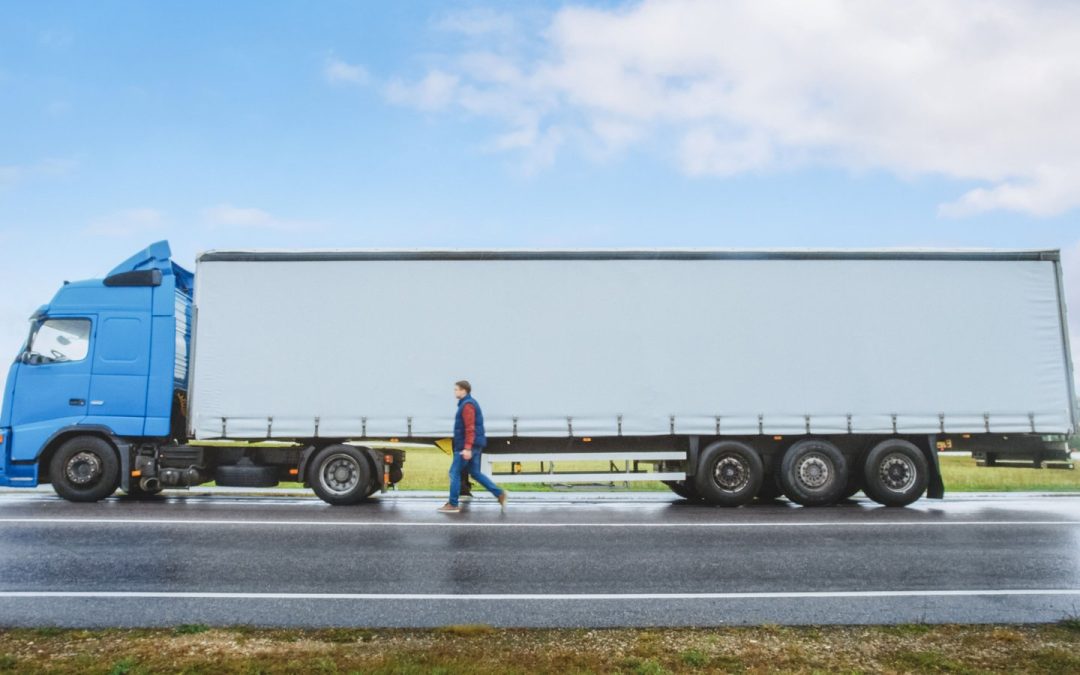
For more on this topic, see our guide on CDL driver staffing in Vermont.A Class A commercial driver’s license is required any time you operate a combination vehicle with a gross combination weight rating (GCWR) of 26,001 pounds or more, provided the towed vehicle exceeds 10,000 pounds. This covers most tractor-trailers, doubles, and many specialized rigs common in Vermont’s logging, construction, and distribution sectors.
For current federal guidance, see the Vermont DMV CDL information.If you plan to drive straight trucks only or smaller combinations, a Class B may suffice. However, most carriers in Vermont prefer or require Class A because it gives them maximum flexibility. Earning the full Class A also lets you add endorsements such as tanker (N), hazardous materials (H), or doubles/triples (T) later.
Before you begin, confirm you meet basic eligibility:
- You must be at least 18 years old for intrastate driving in Vermont.
- You must be at least 21 years old for interstate commerce.
- Hold a valid Vermont driver’s license.
- Pass a DOT physical and obtain a Medical Examiner’s Certificate.
- Have no disqualifying convictions on your driving record.
Step-by-Step Guide to Earning Your CDL Class A License in Vermont
Step-by-Step Guide to Earning Your CDL Class A License in Vermont
Follow these numbered steps in order. Skipping ahead usually leads to wasted time and money.
1. Study the Vermont Commercial Driver Handbook
Start by downloading the latest Vermont Commercial Driver License Manual from the Vermont DMV website. Focus on Sections 1 through 5 plus the air brake and combination vehicle chapters. Expect to spend 15–25 hours reading and taking practice tests.
Use free online practice tests that mirror the Vermont version. Aim for consistent 90 percent scores before you schedule the written exam. Pay special attention to:
- Pre-trip inspection procedures
- Coupling and uncoupling
- Emergency procedures
- Vermont-specific size and weight rules
2. Pass the Required Knowledge Tests
Visit a Vermont DMV office with your current license, proof of residency, and Social Security card. You must pass these written tests for a Class A license:
- General knowledge
- Combination vehicles
- Air brakes (if your truck uses them)
For more on this topic, see our guide on hazmat endorsement in Maine.Each test requires an 80 percent passing score. You may retake tests after waiting one business day, but multiple failures increase your fees. Current fees are modest; check the DMV site for exact amounts since they can change.
Once you pass, the DMV issues a Commercial Learner’s Permit (CLP). You must hold the CLP for at least 14 days before you can take the skills test.
3. Complete Entry-Level Driver Training (ELDT)
Since February 2022, federal law requires all new CDL applicants to complete FMCSA-approved Entry-Level Driver Training before taking the skills test. In Vermont you have two main options:
- Enroll in a state-approved CDL school that provides both theory and behind-the-wheel training.
- Complete a self-paced online theory course then receive behind-the-wheel training from a qualified instructor.
Official rules and updates are published by the FMCSA CDL Testing Standards.Choose a program whose provider is listed on the FMCSA Training Provider Registry. Keep your certificate; you will need it when you schedule your skills exam.
Training typically takes 3–8 weeks depending on whether you attend full-time or part-time. Vermont schools near Burlington, White River Junction, and Rutland offer convenient schedules.
4. Practice Behind the Wheel
You may drive with your CLP only when accompanied by a licensed CDL holder with a Class A who has at least one year of experience. Vermont law limits CLP holders from driving during certain hours or in hazardous conditions until they pass the skills test.
Focus practice time on:
- Backing maneuvers (straight line, alley dock, offset)
- Coupling and uncoupling
- Proper gear shifting on hills common in Vermont
- Pre-trip inspection that matches the exact order examiners expect
For more on this topic, see our guide on CDL age requirements interstate vs intrastate.Log your hours. Many training programs require a minimum of 40–80 hours behind the wheel.
5. Schedule and Pass the CDL Skills Test
After your 14-day CLP waiting period and ELDT completion, schedule the skills test through an authorized third-party tester or the Vermont DMV. Popular testing locations include Burlington, Rutland, and St. Johnsbury.
The exam has three parts:
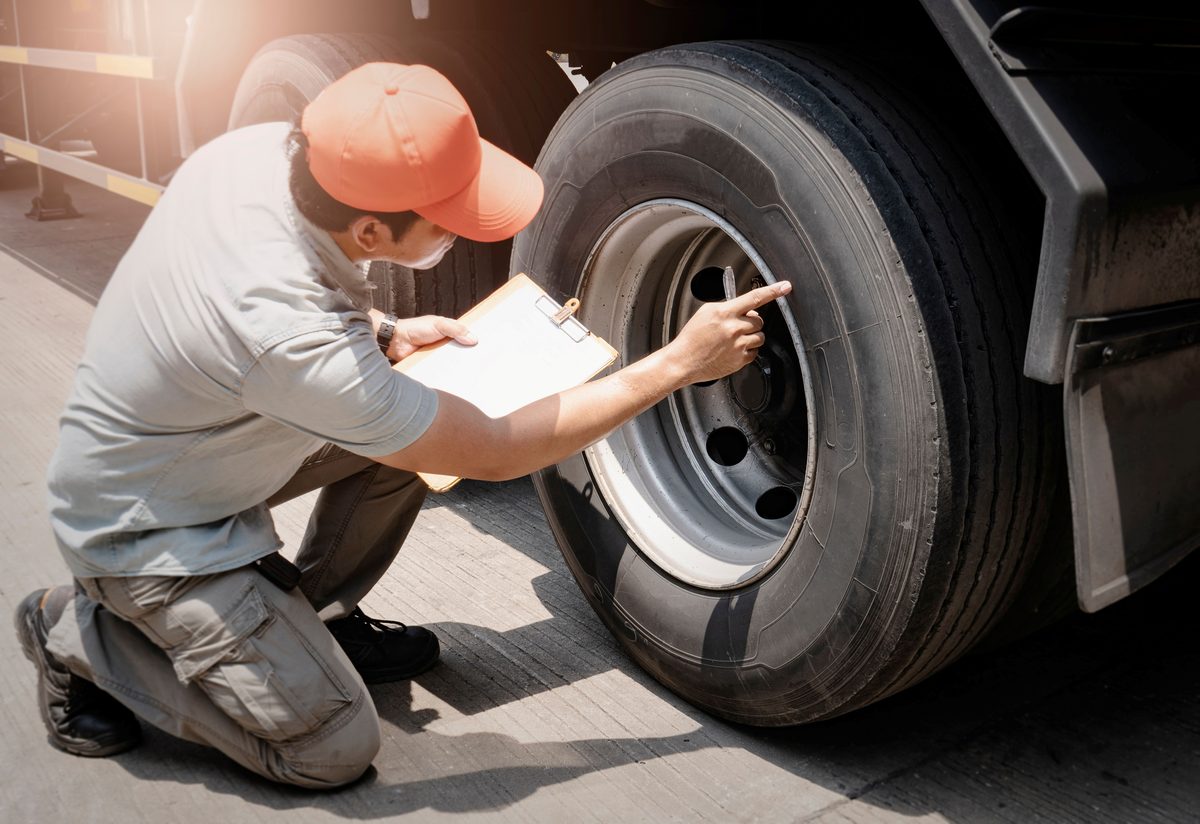
- Vehicle Inspection – You must explain and point to every item on the pre-trip checklist. Miss more than a few items and you fail.
- Basic Controls Test – Usually includes backing into an alley dock or performing a parallel park.
- Road Test – 30–45 minutes on public roads that test your ability to handle turns, hills, railroad crossings, and traffic.
Bring a registered and insured tractor-trailer that matches the Class A you are testing for. Rental trucks are allowed if the company provides proper paperwork.
6. Receive Your Vermont CDL Class A License
If you pass all three segments, the examiner will give you a receipt. Take it to a DMV office within 30 days to receive your permanent plastic license. You will surrender your old Vermont driver’s license at that time.
Choosing the Right CDL Training School in Vermont
Details and the latest requirements are available through the FMCSA Entry-Level Driver Training rule.Not all schools deliver equal results. Look for programs that:
- Are FMCSA-approved and appear on the official Training Provider Registry.
- Offer modern late-model tractors and trailers.
- Provide at least 40 hours of range and road time.
- Have high first-time pass rates (above 75 percent is good).
- Help graduates find work through carrier partnerships.
Full-time courses usually last four to six weeks and cost between $4,000 and $7,000. Financing, veteran benefits, and workforce development grants are often available. Ask whether the school offers job placement assistance; many Vermont carriers recruit directly from respected local programs.
Choosing the Right CDL Training School in Vermont
Costs and Timeline for Getting Your CDL Class A in Vermont
For more on this topic, see our guide on tanker endorsement complete guide.Expect the full process to take 6–12 weeks if you study and train full-time. Part-time students may need 3–6 months.
Typical costs include:
- Written tests and CLP: $50–$100
- ELDT theory and behind-the-wheel training: $4,000–$7,000
- Skills test: $200–$400
- Medical exam: $75–$150
- New license fee: approximately $85
These figures vary by school, location, and whether you need extra practice time. Some employers offer tuition reimbursement once you complete your first year of safe driving.
Adding Endorsements to Your Vermont Class A CDL
Once you hold your Class A, adding endorsements increases your job options:
- Tanker (N): Required for hauling liquids in bulk.
- Hazmat (H): Involves an additional written test, fingerprinting, and TSA background check.
- Doubles/Triples (T): Useful for certain freight lanes.
Each endorsement requires its own knowledge test and, in some cases, a skills test. Most drivers add at least the tanker endorsement within their first year because many Vermont routes involve fuel, milk, or liquid fertilizer.
Costs and Timeline for Getting Your CDL Class A in Vermont
Common Reasons Applicants Fail the Vermont CDL Skills Test
The top reasons for failure are:
- Incomplete or out-of-order pre-trip inspection
- Failing to check blind spots during backing
- Rough clutch control or stalling on hills
- Speeding or rolling through stops during the road test
- Missing required air brake checks
Thorough preparation and honest self-evaluation during practice prevent most of these mistakes. Many students benefit from one or two private lessons right before their test date.
After You Get Your CDL: Next Steps in Vermont
Your license is only the beginning. Vermont carriers look for clean driving records, reliable attendance, and positive attitudes. Consider these immediate actions:
- Update your resume with your new CDL, any endorsements, and training school name.
- Obtain your Medical Examiner’s Certificate and keep it current.
- Create a DAC report and PSP report to see what past employers and the DOT see.
- Apply to multiple carriers; Vermont’s strong manufacturing and agriculture sectors create steady demand for Class A drivers.
Many new graduates start with local or regional routes that keep them closer to home before moving to long-haul positions that pay higher per-mile rates.
Highway Driver Leasing connects newly licensed and experienced CDL drivers with temporary and permanent positions throughout Vermont and the five other New England states. Call (800) 332-6620 to speak with a recruiter about current openings that match your license, endorsements, and location preferences.
Key Takeaways
- A CDL Class A license in Vermont requires passing written tests, completing FMCSA-approved ELDT, and demonstrating vehicle control in a skills exam.
- You must hold a valid CLP for at least 14 days and finish required training before testing.
- Choose an approved training provider with strong pass rates and modern equipment.
- Budget $5,000–$8,000 and 6–12 weeks to complete the full process.
- Adding endorsements such as tanker or hazmat quickly expands your earning potential.
Frequently Asked Questions
How old do I need to be to get a CDL Class A license in Vermont?
You must be 18 for intrastate driving within Vermont and 21 for interstate routes that cross state lines. Most carriers prefer drivers who are at least 21 so they can run freight throughout New England without restrictions.
Can I take the CDL skills test in my own truck?
Yes. The vehicle must be properly registered, insured, and representative of the Class A combination you want on your license. Rental trucks are also permitted if the rental company supplies the required documentation.
How many times can I fail the Vermont CDL skills test?
Vermont allows retakes after a short waiting period, but each attempt costs additional fees. Most serious students pass within two attempts when they complete quality ELDT and practice the exact maneuvers examiners require.
Does Highway Driver Leasing hire new CDL graduates?
Yes. We place both new and experienced Class A and Class B drivers with vetted carriers across Vermont, Massachusetts, Connecticut, Rhode Island, New Hampshire, and Maine. Call (800) 332-6620 to discuss current opportunities that fit your schedule and home location.