
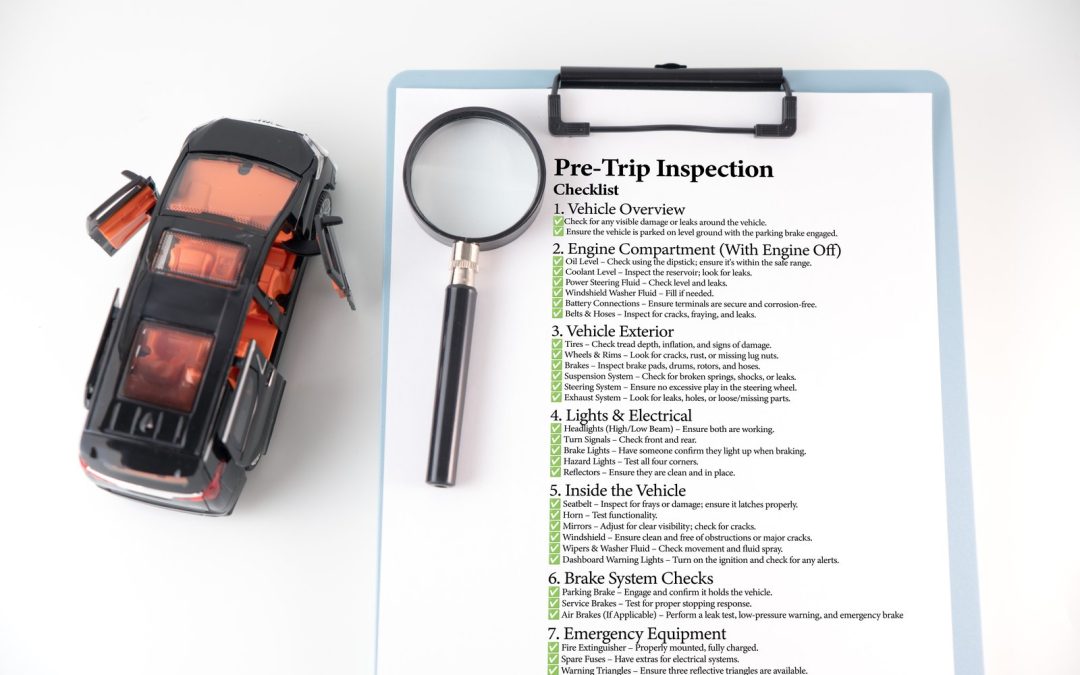
Maine trucking news this quarter shows a sector adapting to tighter capacity, rising insurance costs, and steady demand from construction and paper-product hauls. Fleet managers across the state are balancing driver shortages with new compliance deadlines that take effect in 2026. This update breaks down the numbers, regulatory shifts, and practical steps companies can take to keep trucks moving.
In This Guide
- Strong Freight Volumes Despite Winter Slowdown
- Driver Shortage Continues to Pressure Capacity
- Regulatory Updates Taking Effect in 2026
- Technology Investments Reshape Fleet Strategies
- Workforce Development and Retention Tactics
- Preparing for the Rest of 2026
- Key Takeaways
Strong Freight Volumes Despite Winter Slowdown
Maine’s trucking industry logged consistent tonnage through the first three months of the year. Wood pulp, building materials, and food-grade freight kept Class A drivers busy on routes between Portland, Bangor, and the Canadian border. According to state transportation reports, outbound loads rose 4 percent year-over-year while inbound traffic held flat.
For current federal guidance, see the Maine BMV CDL information.For more on this topic, see our guide on CDL driver staffing in Maine.Winter weather created the usual bottlenecks on I-95 and Route 1, yet carriers reported fewer empty miles than in 2024. This improvement stems from better load-board technology and tighter coordination between shippers and logistics providers. For fleet managers, the takeaway is clear: Maine remains a reliable market, but the margin for error is shrinking.
Fuel prices stabilized around $3.40 per gallon for ultra-low sulfur diesel, down from last year’s peaks. However, insurance premiums climbed another 8 to 12 percent for most carriers. These increases reflect higher repair costs and a national uptick in liability claims. Companies that maintained clean DOT scores managed to limit their rate hikes, underscoring the value of rigorous safety programs.
As of early 2026, several fleets plan to test electric Class 8 tractors on shorter Maine routes. Pilot programs in southern counties are gathering data on cold-weather battery performance. While full adoption remains years away, forward-looking operators are already budgeting for charging infrastructure and driver retraining.
Driver Shortage Continues to Pressure Capacity
Driver Shortage Continues to Pressure Capacity
Maine trucking news this quarter highlights an ongoing gap between open seats and available CDL holders. Industry surveys show vacancy rates hovering between 9 and 14 percent for local and regional runs. Long-haul positions are harder to fill, with many experienced drivers choosing to stay within a day’s drive of home.
Turnover remains the top concern for HR leads. Average tenure for new hires fell to 11 months in the latest data set. Reasons cited include unpredictable schedules, extended time away from family, and competition from non-driving warehouse roles that pay similar hourly rates.
For more on this topic, see our guide on New England diesel emissions regulations 2026.Construction booms in Portland and Lewiston created extra demand for Class B drivers with tanker and dump endorsements. These specialized roles command 15 to 25 percent higher pay than standard tractor-trailer positions. Carriers without flexible compensation packages are losing talent to competitors who can adjust rates faster.
Highway Driver Leasing helps fleets bridge these gaps with both temporary and permanent CDL driver placement across Maine and the rest of New England. Our DOT-compliant workforce lets companies scale up during peak seasons without the long recruiting cycles.
Regulatory Updates Taking Effect in 2026
Regulatory Updates Taking Effect in 2026
Several rule changes will reshape operations next year. The FMCSA’s updated hours-of-service guidelines receive final implementation in phases through 2026. Carriers should review their electronic logging device settings now to avoid compliance violations once the new windows tighten.
Drug and alcohol testing pools face expanded random-selection requirements. Consortiums serving Maine fleets are adding more oral-fluid testing options to speed up results and reduce downtime. Companies using third-party administrators should confirm their vendor’s readiness before the January 2026 deadline.
Maine’s own environmental regulations will require diesel particulate filter maintenance logs to be digitized for all vehicles over 26,001 pounds. This change aligns with broader EPA goals and will be enforced during annual inspections. Fleet managers who have not yet moved their records online should allocate budget and training time this quarter.
For more on this topic, see our guide on New England ports expansion update.Speed limiters on commercial vehicles remain under discussion at the federal level. While no final mandate has been issued, many large carriers are voluntarily installing the devices to lower insurance rates and improve safety scores. Smaller Maine operators are watching these developments closely before making capital decisions.

Technology Investments Reshape Fleet Strategies
Technology Investments Reshape Fleet Strategies
Official rules and updates are published by the FMCSA Regulations.Maine carriers are investing in telematics at a faster pace than in previous years. Real-time GPS tracking, predictive maintenance alerts, and driver-performance dashboards now appear in roughly 65 percent of company trucks. The data helps dispatchers reduce idle time and gives safety managers objective metrics for coaching.
Artificial intelligence routing tools are cutting fuel consumption by 6 to 9 percent on regular Maine runs. These systems factor in weather, construction, and traffic patterns more accurately than traditional planning methods. Fleets that adopted the technology early report fewer late deliveries and improved customer satisfaction scores.
Camera-based safety systems continue to gain traction. Forward-facing and in-cab cameras reduce incident rates and often qualify carriers for insurance discounts. Some insurers now require the systems as a condition of coverage, making the investment almost mandatory for high-mileage operations.
Training programs have shifted online to accommodate younger drivers who prefer self-paced learning. Virtual reality simulators for backing maneuvers and mountain-grade descents are appearing at larger terminals. These tools shorten the time from hire to productive road time and lower accident frequency in the first six months.
Workforce Development and Retention Tactics
For more on this topic, see our guide on Vermont freight trends 2026.Successful fleets treat driver retention as a year-round project rather than a seasonal fix. Competitive pay remains essential, yet many companies now combine it with home-time guarantees and career-pathing conversations. Regular check-ins at the 30-, 90-, and 180-day marks help identify problems before drivers quit.
Sign-on bonuses for experienced Class A drivers with clean records range from $3,000 to $7,000 depending on commitment length. These incentives are most effective when paired with clear expectations around routes and equipment. Vague promises lead to early departures once the bonus is paid.
Health benefits and retirement matching plans influence decisions more than they did five years ago. Carriers that upgraded their packages report easier recruiting at job fairs and through referral programs. Maine’s smaller carriers sometimes partner with larger staffing firms to offer competitive benefits without carrying the full administrative load.
Mentorship programs that pair new drivers with seasoned veterans improve safety outcomes and job satisfaction. Companies that formalize these relationships see measurable drops in preventable accidents and higher productivity after the first year.
Preparing for the Rest of 2026
Maine trucking news this quarter paints a picture of cautious optimism. Freight demand should remain stable if construction spending and manufacturing output hold steady. The bigger variables are insurance rates, regulatory compliance costs, and the ability to attract and keep qualified CDL drivers.
Fleet managers who act now on 2026 deadlines will avoid last-minute scrambles. Reviewing drug-testing protocols, digitizing maintenance records, and stress-testing ELD settings are low-cost steps that prevent expensive violations later.
Technology budgets should focus on tools that deliver clear ROI within 12 to 18 months. Telematics, camera systems, and routing software have all proven their value in Maine’s unique mix of rural roads and tight urban deliveries.
Staffing flexibility will separate top performers from the rest of the field. The ability to bring in vetted, DOT-compliant drivers on short notice protects service levels when regular employees take vacation, get sick, or leave for other opportunities.
Call (800) 332-6620 today to discuss how Highway Driver Leasing can strengthen your driver bench in Maine and across New England.
Key Takeaways
- Maine trucking volumes held steady with a 4 percent rise in outbound loads, yet driver shortages continue to limit capacity.
- Insurance costs increased 8 to 12 percent; fleets with strong safety scores limited their exposure.
- Multiple 2026 regulatory deadlines require immediate attention on ELDs, testing protocols, and digital maintenance records.
- Technology investments in telematics and camera systems are delivering measurable gains in fuel economy and safety.
- Flexible staffing through experienced partners helps maintain service levels without inflating fixed payroll costs.
Frequently Asked Questions
What are the biggest challenges facing Maine trucking companies right now?
Driver shortages, rising insurance premiums, and upcoming 2026 regulatory changes top the list. Many fleets also struggle to find enough specialized Class B drivers for construction and tanker work.
How are freight volumes trending in Maine this quarter?
Outbound tonnage increased about 4 percent compared with the same period last year. Construction materials, paper products, and food freight remain the strongest segments.
What regulatory changes should fleet managers prepare for in 2026?
Updated hours-of-service enforcement, expanded drug-testing requirements, and mandatory digital maintenance logs for diesel vehicles will all take effect. Companies should verify exact compliance dates with the FMCSA and Maine DOT.
How can companies quickly add drivers without compromising safety standards?
Partnering with a reputable staffing provider that supplies only DOT-compliant, pre-screened CDL drivers offers the fastest path. This approach reduces recruiting time while maintaining high safety and compliance standards.