
New England EV charging infrastructure for trucking is expanding at a rapid pace, driven by state mandates, federal funding, and fleet demand for zero-emission operations. As of 2026, regional planners expect more than 500 dedicated heavy-duty charging ports to be operational across the six states, creating both opportunities and operational questions for fleet managers.
This update examines current build-out progress, funding sources, location priorities, and practical steps companies should take to integrate electric trucks into their New England routes. Whether you manage a regional dry van fleet out of Worcester or run flatbeds across northern Maine, the charging network will directly affect routing, dwell times, and driver schedules in the coming years.
In This Guide
- Current Status of New England EV Charging Infrastructure for Trucking
- Federal and State Funding Driving Expansion
- Strategic Charging Locations for New England Routes
- Impact on Fleet Operations and Driver Staffing
- Preparing Your Fleet for Expanded EV Charging Access
- Key Takeaways
Current Status of New England EV Charging Infrastructure for Trucking
For more on this topic, see our guide on driver staffing across New England.Massachusetts and Connecticut currently lead deployment with the highest number of operational megawatt-scale chargers suitable for Class 8 trucks. As of late 2025, Massachusetts reports 87 public and private heavy-duty connectors, while Connecticut lists 62. New Hampshire, Vermont, and Maine trail with fewer than 25 each, though several multi-port sites are under construction along I-95, I-91, and I-89 corridors.
For current federal guidance, see the U.S. Department of Transportation.Rhode Island has focused on port-adjacent charging at Quonset and Providence terminals to support drayage and last-mile operations. Fleet operators note that while urban and interstate coverage is improving, rural segments in northern Vermont and interior Maine still present range anxiety for battery-electric trucks with typical 250- to 350-mile real-world payloads.
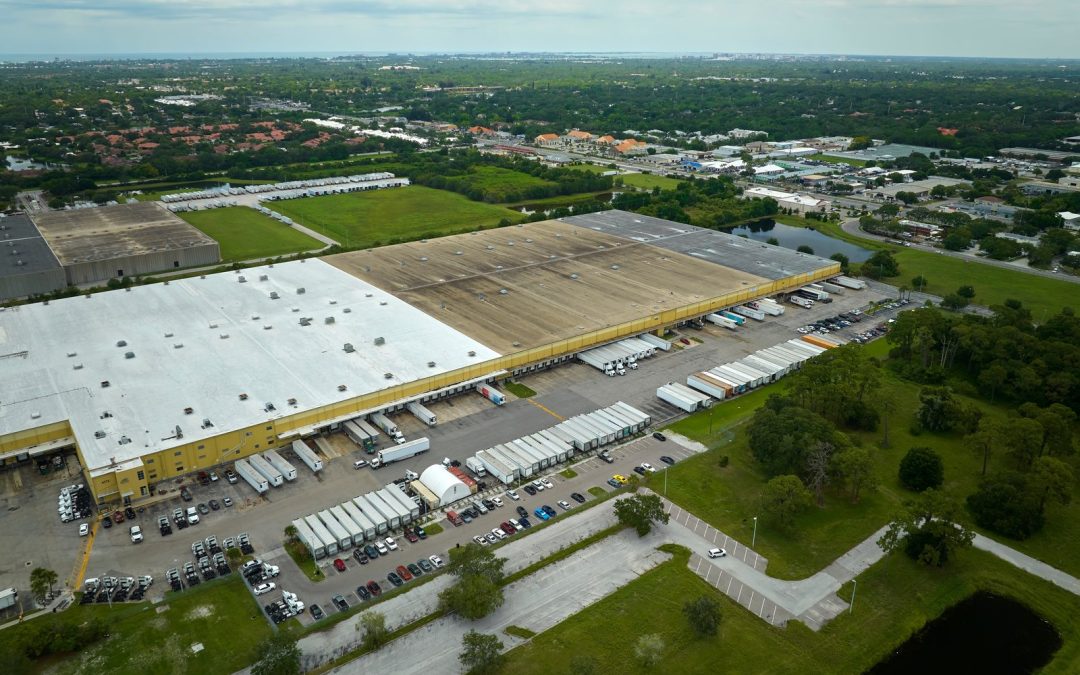
Private depots are filling many gaps. Several large shippers and third-party logistics providers have installed on-site charging at distribution centers in South Boston, Hartford, and Portland. These private installations now account for roughly 40 percent of total regional charging capacity for commercial vehicles.
Figures vary by employer and year, but early adopters report average charge times of 45 to 90 minutes for 80 percent state-of-charge using 350 kW units. Overnight depot charging remains the preferred model for many fleets to avoid daytime dwell.
Federal and State Funding Driving Expansion
Federal and State Funding Driving Expansion
The Infrastructure Investment and Jobs Act and subsequent Inflation Reduction Act allocations continue to fuel growth. New England states have drawn down more than $180 million in federal grants specifically earmarked for medium- and heavy-duty charging since 2022. Additional funding rounds are expected through 2028.
For more on this topic, see our guide on Vermont trucking regulations 2026.Massachusetts launched its Driving Decarbonization program, which offers matching grants up to $500,000 per site for fleets and site hosts. Connecticut’s Zero Emission Vehicle Infrastructure program prioritizes corridors linking New York and Rhode Island borders. Vermont and New Hampshire have joint funding pools that favor multi-state corridor projects along I-89 and I-91.
Maine’s Department of Transportation is using its share of National Electric Vehicle Infrastructure formula funds to target truck stops and rest areas on Routes 1, 95, and 201. As of 2026, these programs are shifting emphasis from light-duty to commercial vehicle chargers, with new scoring criteria that reward proposals demonstrating actual fleet commitment.
Rules and incentive levels may change with each state budget cycle and federal appropriation. Fleet managers should verify current grant opportunities directly with state energy offices before committing capital.
Strategic Charging Locations for New England Routes
Strategic Charging Locations for New England Routes
Interstate corridors remain the top priority. Planners are concentrating resources at:
- I-95 from the New Hampshire border through Connecticut
- I-91 from New Haven to the Vermont-Quebec line
- I-90 Massachusetts Turnpike between Albany and Boston
- I-89 from Concord, NH to Burlington, VT
Key truck-stop operators have announced partnerships to install 500 kW to 1 MW charging plazas at existing fuel islands in Sturbridge, MA; South Portland, ME; and Windsor Locks, CT. These sites are designed for high utilization with multiple bays, reservation systems, and on-site maintenance support.
For more on this topic, see our guide on New England cold-chain logistics growth 2026.Port and warehouse clusters represent another focus area. The ports of Boston, New Haven, and Portland are installing shore-power and fast-charging infrastructure to support electrified drayage. Distribution parks in Devens, MA and Cumberland, RI are adding depot chargers as part of lease incentives for tenants committing to electric fleets.
Official rules and updates are published by the Bureau of Transportation Statistics freight data.Cross-border considerations matter for fleets running into Canada. While Canadian infrastructure is developing separately, New England operators can expect improved coordination at Derby Line, VT and Houlton, ME in the next 24 months.

Impact on Fleet Operations and Driver Staffing
Impact on Fleet Operations and Driver Staffing
Electric trucks change more than just fuel costs. Fleet managers must account for longer dwell periods during daytime charging, route planning that respects both payload weight and elevation changes, and new maintenance skill sets. In cold New England winters, range can drop 30-40 percent, requiring adjusted scheduling and potentially more vehicles to cover the same freight volume.
These changes directly affect driver requirements. Battery-electric tractor-trailers often feature automated manual or direct-drive transmissions, different regenerative braking techniques, and new safety systems. Drivers need targeted training on these systems to maximize efficiency and avoid downtime.
Highway Driver Leasing supplies both Class A and Class B CDL drivers experienced with electric and alternative-fuel equipment. Our network includes drivers who have completed OEM-specific EV training programs and understand the unique routing and charging considerations across Massachusetts, Connecticut, Rhode Island, New Hampshire, Vermont, and Maine. Whether you need temporary coverage during peak training periods or permanent placements familiar with depot charging protocols, we can match you with qualified professionals.
For more on this topic, see our guide on Port of Boston 2026 updates for trucking.Companies transitioning to electric fleets frequently adjust their driver pay structures to reflect new skills and longer on-duty periods. Retention becomes easier when drivers see clear career paths into newer equipment rather than staying on aging diesel tractors.
Preparing Your Fleet for Expanded EV Charging Access
Fleet managers should begin with a route analysis to identify which lanes can realistically convert to electric power given current and planned charging locations. Tools from the National Renewable Energy Laboratory and state DOT EV planning maps help model energy consumption by terrain, payload, and weather.
Next, evaluate depot charging feasibility. Many facilities will require electrical service upgrades that can take 12-18 months to complete. Early engagement with utility companies is essential to secure necessary transformers and avoid construction delays.
Driver recruitment and training plans must start early. Partnering with experienced staffing providers allows fleets to test electric operations with seasoned drivers before committing to large equipment purchases. This approach reduces risk while building internal knowledge.
Budget for higher insurance premiums and potential warranty considerations that differ from traditional diesel fleets. Maintenance partnerships with dealers offering 24/7 EV support are becoming standard in the region.
As of 2026, fleets that treat charging infrastructure as a strategic network rather than a series of point solutions will hold a competitive advantage. Those who delay may face higher costs and limited driver options as early adopters lock in preferred routes and charging access.
Call (800) 332-6620 today to discuss how Highway Driver Leasing can support your transition with DOT-compliant CDL drivers trained for electric and low-emission equipment across all six New England states.
Key Takeaways
- New England EV charging infrastructure for trucking is projected to exceed 500 heavy-duty ports by the end of 2026, with strongest coverage along major interstates and port areas.
- Federal and state funding programs continue to prioritize commercial vehicle chargers, though specific grant amounts and eligibility rules may change with future budget cycles.
- Private depot charging now represents a significant share of regional capacity and often provides more reliable access than public stations for scheduled operations.
- Electric truck deployment requires updated driver skills, revised route planning, and longer dwell windows that directly impact staffing models and labor costs.
- Early collaboration with staffing partners experienced in EV operations helps fleets maintain service levels while building internal expertise.
Frequently Asked Questions
Which New England states currently have the most heavy-duty EV charging stations for trucks?
Massachusetts and Connecticut currently lead with the highest counts of megawatt-scale chargers suitable for Class 8 trucks. Coverage in Vermont, New Hampshire, and Maine remains thinner outside major corridors, though new sites are scheduled to come online through 2027.
How will expanded EV charging affect driver dwell times and scheduling?
Most 350 kW charging sessions require 45 to 90 minutes to reach 80 percent state-of-charge. Fleets must adjust hours-of-service planning and may need additional drivers or vehicles to maintain the same daily mileage, particularly during winter months when range decreases.
Are there still grant programs available for installing truck charging infrastructure in New England?
Yes. Several state and federal programs continue to offer matching grants and low-interest financing for commercial charging projects. Availability and requirements change yearly, so fleet operators should contact their state energy office or DOT for current opportunities.
Does Highway Driver Leasing provide drivers experienced with electric trucks?
Highway Driver Leasing maintains a roster of Class A and Class B CDL drivers who have completed manufacturer-specific EV training. We can supply temporary or permanent placements familiar with charging protocols, regenerative braking, and route planning considerations unique to battery-electric equipment in the region.