

Massachusetts Turnpike authorities are implementing targeted truck lane restrictions starting in early 2026. These Mass Pike truck lane changes will reshape daily routing decisions for carriers moving freight through the Boston metro area, western Massachusetts, and key interchanges with I-90, I-91, and I-95. Fleet managers and logistics leaders who plan ahead can avoid congestion penalties, maintain on-time delivery records, and reduce safety incidents.
The updates arrive at a time when truck volumes on the Mass Pike continue to climb. With e-commerce growth and renewed construction spending across New England, understanding exactly where and when trucks may operate has become essential for operational planning. This article breaks down the upcoming restrictions, the reasoning behind them, expected impacts on fleet productivity, and practical steps companies can take to stay compliant and competitive.
In This Guide
- Why the Mass Pike Truck Lane Changes Are Coming in 2026
- Timeline and Specific Segments Affected by Mass Pike Truck Lane Changes
- Operational Impact on New England Fleet Managers
- How to Prepare Your Fleet for the 2026 Mass Pike Truck Lane Changes
- Measuring Success After Implementation
- Key Takeaways
Why the Mass Pike Truck Lane Changes Are Coming in 2026
For more on this topic, see our guide on driver staffing across New England.Massachusetts officials cite three primary drivers for the revisions. First, crash data from the past five years shows a disproportionate number of incidents involving commercial vehicles in the leftmost lanes near high-volume exits. Second, average passenger vehicle speeds have dropped in mixed-traffic zones, prompting a safety-first redesign. Third, the state wants to align the Pike more closely with interstate standards already in place on portions of I-95 and I-495.
For current federal guidance, see the U.S. Department of Transportation.As of January 2026, new signage and striping will prohibit Class 8 trucks from using the far-left lane on designated stretches between Exit 78 in West Stockbridge and Exit 26 in Boston. Additional restrictions will apply during morning and evening peak windows on the eastern corridor from Exit 14 (I-95 interchange) inward. These windows are currently slated for 6:00–9:00 a.m. and 3:30–7:00 p.m., although exact hours may be adjusted after the first six months of data collection.
The changes also introduce a pilot program for dynamic shoulder use on two segments. During off-peak hours, trucks meeting strict equipment and driver-safety criteria may access the shoulder as a travel lane. This pilot aims to relieve core-lane pressure without widening the footprint of the highway.
These adjustments reflect a broader trend across New England. Connecticut, Rhode Island, and New Hampshire have each introduced similar lane-management strategies in the past three years. Fleet operators already navigating those states will recognize the pattern: tighter controls on left-lane usage paired with stronger enforcement through camera systems and increased state police presence.
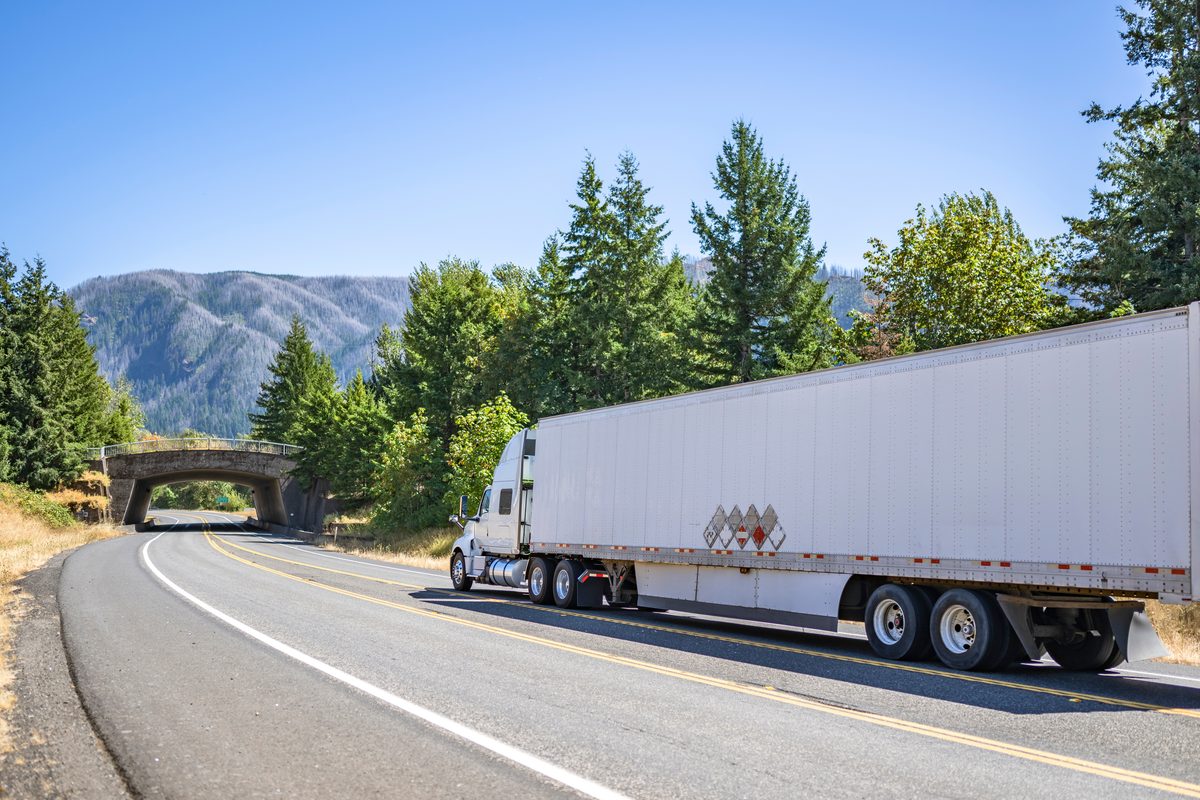
Timeline and Specific Segments Affected by Mass Pike Truck Lane Changes
Timeline and Specific Segments Affected by Mass Pike Truck Lane Changes
For more on this topic, see our guide on Connecticut trucking regulations 2026.Implementation will roll out in phases to minimize disruption. The first phase begins March 1, 2026, on the western half of the Pike from the New York border to Exit 41 in Sturbridge. Phase two launches June 15, 2026, covering the high-traffic corridor from Exit 41 through Boston and the Ted Williams Tunnel.
Key segments include:
- Mile markers 0 to 78 (western rural section): Right-lane-only for trucks at all times.
- Mile markers 78 to 123 (central corridor near Worcester): Peak-hour left-lane ban plus 55-mph truck speed limiter enforcement.
- Mile markers 123 to 138 (metro Boston approach): Full-time right-two-lane restriction with dynamic shoulder access permitted 9:00 p.m. to 5:00 a.m. for pre-approved carriers.
Variable message boards will update drivers in real time if shoulder use is activated. Carriers interested in participating in the pilot must apply through the Massachusetts Department of Transportation for a special permit that includes proof of forward-facing cameras, lane-departure warning systems, and drivers with at least two years of clean driving records.
Enforcement will rely on a combination of fixed cameras, mobile state police units, and existing toll-gantry sensors. Initial fines are expected to start at several hundred dollars per violation, with repeat offenders facing higher penalties and potential out-of-service orders. Exact fine amounts have not been finalized and may change based on legislative review in late 2025.
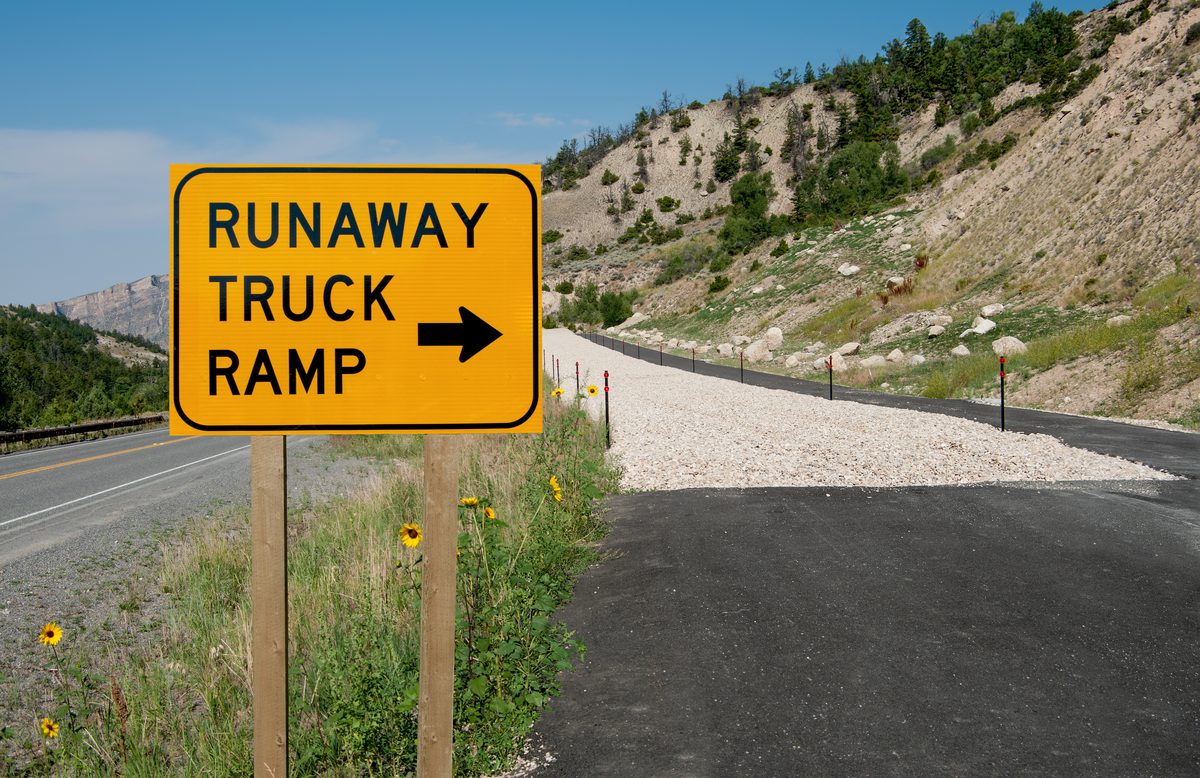
Operational Impact on New England Fleet Managers
Operational Impact on New England Fleet Managers
For more on this topic, see our guide on New England driver turnover trends 2026.For companies running regular routes between Albany and Boston, the Mass Pike truck lane changes will add between 4 and 12 minutes to average eastbound transit times during peak periods. Westbound returns may see smaller increases of 2 to 7 minutes. These figures vary by employer, time of day, and specific load type.
Official rules and updates are published by the Bureau of Transportation Statistics freight data.Construction and heavy-haul operators serving the I-90/I-91 interchange in Springfield will need to adjust staging yards and delivery windows. Logistics providers moving temperature-controlled freight from western distribution centers to Boston wholesalers should evaluate whether shifting departures by one hour can keep them ahead of the new peak-hour restrictions.
HR and safety teams will likely see increased demand for drivers who demonstrate strong lane-discipline habits. Carriers that already emphasize right-lane running in their training programs will hold an advantage. Those still allowing left-lane passing for “faster travel” may need to rewrite policies before the 2026 deadline.
Fuel economy could improve slightly for fleets that stay in the right lanes and avoid frequent lane changes. However, the benefit may be offset if congestion builds in the permitted lanes. Early modeling by state traffic engineers projects a net neutral to modest improvement in corridor-wide fuel consumption once drivers adapt.
For more on this topic, see our guide on Maine truck weight laws update.Insurance carriers have signaled that consistent compliance with the new lane rules could help stabilize or even reduce premiums for fleets operating primarily in Massachusetts. Conversely, fleets accumulating multiple violations may face surcharges starting in policy year 2027.
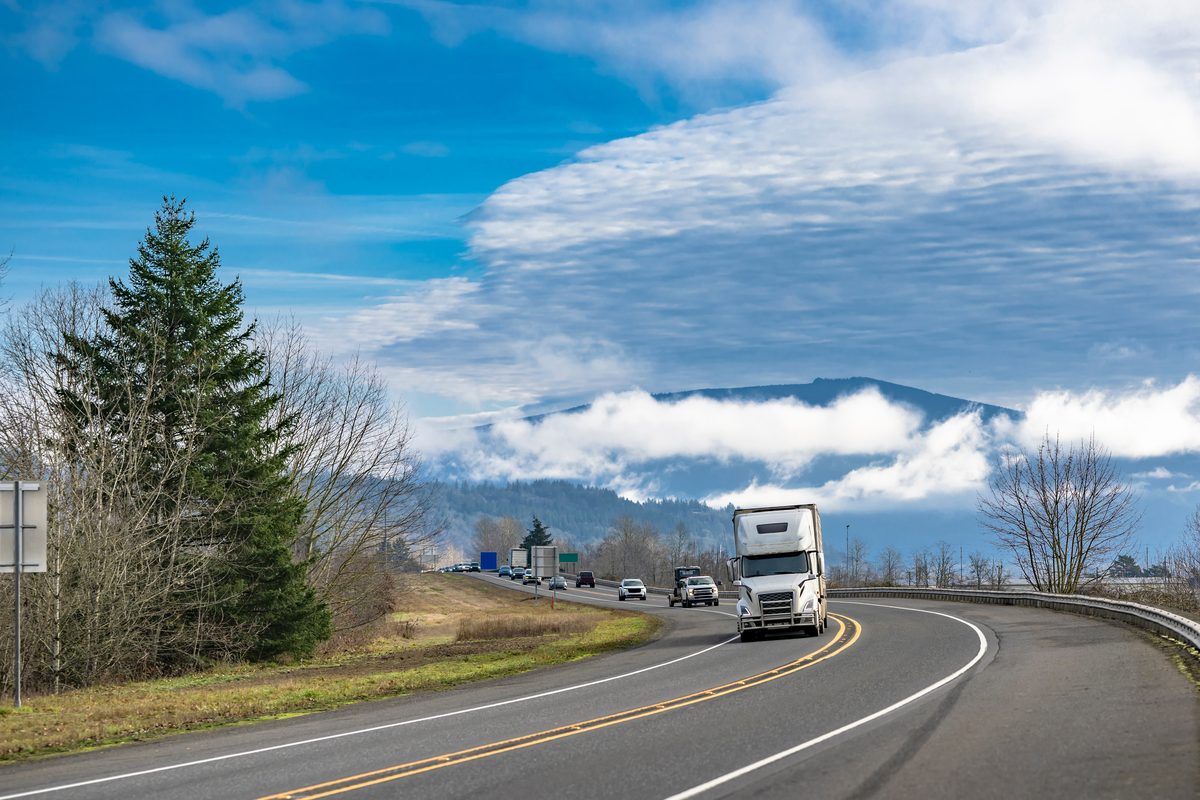
How to Prepare Your Fleet for the 2026 Mass Pike Truck Lane Changes
How to Prepare Your Fleet for the 2026 Mass Pike Truck Lane Changes
Successful adaptation requires action in four areas: routing, equipment, driver training, and partnership with staffing providers.
Routing adjustments
Update GPS and electronic logging device maps now. Most major providers will push software updates in Q4 2025 that incorporate the new restrictions. In the meantime, manually flag the affected segments and build 10–15% more buffer time into schedules for the first quarter of 2026. Consider overnight or shoulder-hour runs where freight profiles allow.
Equipment upgrades
Fleets interested in the dynamic shoulder pilot should accelerate installation of required safety technologies. Cameras, radar-based collision avoidance, and lane-keeping assist systems not only qualify carriers for the pilot but also strengthen overall safety scores with insurance underwriters and prospective shippers.
Driver communication and training
Revise driver handbooks and conduct refresher briefings before year-end. Emphasize that the goal is predictability and safety, not simply staying out of the way. Use simulator sessions or ride-along coaching to demonstrate proper merging and passing techniques within the new constraints. Reward drivers who log zero violations during the initial rollout months.
Staffing strategy
The combination of new rules and continued driver shortages will tighten the labor market for qualified Class A drivers in Massachusetts and surrounding states. Companies that maintain flexible access to additional drivers will hold a clear edge.
This is where Highway Driver Leasing provides immediate value. With coverage across Massachusetts, Connecticut, Rhode Island, New Hampshire, Vermont, and Maine, the company supplies both temporary and permanent CDL drivers who are already familiar with regional routes and compliance standards. Whether you need one Class A driver for a week or a dedicated team of ten for the busy 2026 construction season, their DOT-compliant workforce can help you maintain service levels while your internal teams adjust to the new lane rules.
Call (800) 332-6620 today to discuss how pre-vetted drivers can keep your trucks rolling smoothly through the transition.
Measuring Success After Implementation
The Massachusetts Turnpike Authority has committed to publishing quarterly performance reports beginning in July 2026. Fleet managers should track their own metrics against these public benchmarks, including on-time percentage, incident rate per million miles, and average speed by corridor.
Companies that treat the Mass Pike truck lane changes as a catalyst for broader operational improvement will likely emerge stronger. Those who wait until signage appears risk early violations, higher insurance costs, and lost contracts with safety-conscious shippers.
As of 2026, the ability to move freight predictably through Greater Boston will separate market leaders from also-rans. Early adopters who update routing software, retrain drivers, and secure reliable staffing partners will convert regulatory change into competitive advantage.
Key Takeaways
- Mass Pike truck lane changes take effect in phases beginning March 2026, with the most restrictive rules hitting the Boston metro corridor in June.
- Right-lane-only requirements during peak hours will add modest transit time but are expected to improve safety and traffic flow once drivers adapt.
- Fleets should update routing systems, accelerate safety technology adoption, and retrain drivers before the deadline to avoid fines and maintain customer satisfaction.
- Access to flexible, DOT-compliant CDL drivers will become even more important as rules tighten and driver demand grows across New England.
- Companies that view the changes as an opportunity to professionalize operations will gain an edge in safety scores, insurance rates, and shipper preference.
Frequently Asked Questions
When do the Mass Pike truck lane changes officially begin?
The first phase starts March 1, 2026 on the western section, with the eastern metro segment following on June 15, 2026. Exact peak-hour windows may be fine-tuned after initial data is reviewed.
Will all trucks be banned from the left lane at all times?
No. The full-time prohibition applies mainly to the western rural stretches. In the Boston corridor, restrictions are limited to peak commuting hours, with shoulder access available overnight for qualified carriers.
How will enforcement work and what are the penalties?
Enforcement will combine cameras, toll sensors, and increased state police patrols. Specific fine amounts have not been finalized but are expected to begin in the mid-hundreds per violation, with escalating penalties for repeat offenders.
How can my company find additional qualified drivers during the transition?
Partnering with an established staffing provider familiar with New England routes and the new regulations can prevent service gaps. Highway Driver Leasing supplies both short-term and permanent CDL drivers across all six New England states and can be reached at (800) 332-6620.