
When you’re operating under Department of Transportation (DOT) regulations, knowing what’s reportable can make all the difference.
An incident is considered reportable if:
- A fatality occurs
- Someone sustains injuries requiring medical attention
- A vehicle is damaged enough to require towing
Even if these don’t apply, drivers must still follow company procedures, especially if a moving violation is issued.
Drug and Alcohol tests are required post-accident if the accident is DOT reportable AND the driver is cited or involves a fatality.
- Alcohol test: Within 2 hours (up to 6 hours allowed with documentation).
- Drug test: Within 32 hours (document reasons if missed).
If you’re a driver who’s been in an accident:
- Stop immediately and stay calm.
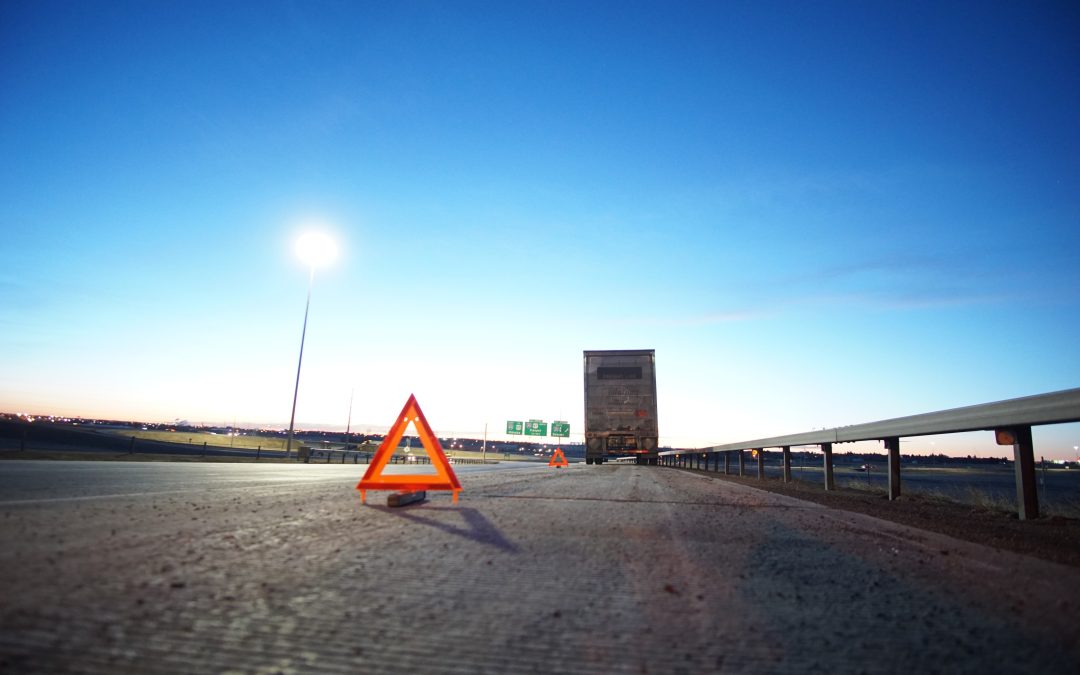
- Assess the situation & set out all warning devices.
- Contact law enforcement and your carrier.
- Document the incident.
- Determine if the equipment is safely drivable, or have it towed.
- Seek medical treatment if needed.
- Complete drug & alcohol testing if required.
- Report moving citation, if received, to the carrier.
- Don’t admit fault at the scene.
- Speak with the carrier’s insurance company (under the direction of your company).
If you’re a carrier:
- Ensure driver safety and compliance steps are followed.
- If possible, deploy a member of the company management to the accident site.
- Gather key facts: location, time, damages, insurance, officer details.
- Determine if drug & alcohol testing is required.
- Document reportable accidents in the Accident Register (49 CFR 390.15).
- Maintain a claim detail report and accident file.
DOT-reportable accidents aren’t just about paperwork, they’re about safety, accountability, and compliance. Clear processes protect drivers, carriers, and fleets from regulatory risk; preparation is the best defense. By knowing what’s reportable and acting quickly, drivers and carriers can stay compliant and keep operations running smoothly.