
Obtaining a CDL Class B license in Connecticut opens doors to stable, well-paying driving careers in local delivery, school buses, dump trucks, and construction equipment. Whether you are switching from a regular driver’s license or upgrading from a Class C, the process follows clear steps set by the Connecticut DMV and federal FMCSA standards.
This guide walks you through every requirement, from eligibility to the skills test, so you can move forward with confidence. Follow the numbered steps below and you will have your Class B CDL in hand faster than you expect.
In This Guide
- What Is a CDL Class B License and Why Get One in Connecticut?
- Eligibility Requirements for a CDL Class B in Connecticut
- Step-by-Step Guide to Getting Your CDL Class B License in Connecticut
- Choosing the Right Training Program in Connecticut
- Costs Associated with Getting a CDL Class B in Connecticut
- What to Expect After You Have Your CDL Class B
- Upgrading from Class B to Class A Later
- Key Takeaways
What Is a CDL Class B License and Why Get One in Connecticut?
For more on this topic, see our guide on CDL driver staffing in Connecticut.A CDL Class B license allows you to operate any single vehicle with a gross vehicle weight rating (GVWR) of 26,001 pounds or more, or tow a vehicle not exceeding 10,000 pounds GVWR. Common jobs include driving straight trucks, box trucks, cement mixers, and passenger vehicles designed to carry 16 or more people.
For current federal guidance, see the Connecticut DMV CDL information.Connecticut’s strong logistics, construction, and municipal sectors create steady demand for Class B drivers. Local companies need reliable operators for daily routes that rarely require overnight travel, making Class B an excellent entry point for drivers who want predictable schedules and solid pay.
Many drivers start with Class B and later upgrade to Class A once they gain experience. The skills you learn while earning your Class B CDL in Connecticut transfer directly to larger combination vehicles.
Eligibility Requirements for a CDL Class B in Connecticut
Eligibility Requirements for a CDL Class B in Connecticut
Before you spend a single dollar, confirm you meet these baseline qualifications:
- You must be at least 18 years old for intrastate driving (within Connecticut) and 21 for interstate commerce.
- Hold a valid Connecticut driver’s license.
- Be a U.S. citizen or provide proper documentation if you are a lawful permanent resident.
- Pass a DOT physical exam and hold a current Medical Examiner’s Certificate.
- Have a clean driving record; certain serious violations can disqualify you for set periods.
- Not have any current CDL suspensions or disqualifications.
If you hold any existing endorsements such as Passenger (P), School Bus (S), or Hazmat (H), you may need to renew or retest them when you add your Class B.
Step-by-Step Guide to Getting Your CDL Class B License in Connecticut
1. Study the Connecticut Commercial Driver’s Manual
Start by downloading the latest Connecticut Commercial Driver’s License Manual from the DMV website. Focus heavily on Sections 1 through 5 and the air brake section if your vehicle requires them.
For more on this topic, see our guide on CDL Class A license in Massachusetts.Pay special attention to:
– Vehicle inspection procedures
– Air brake operation and testing
– Cargo securement
– Night driving and extreme weather
Most successful applicants spend two to three weeks studying before scheduling any tests. Free online practice tests that mirror the Connecticut DMV questions help reinforce the material.
2. Complete Entry-Level Driver Training (ELDT)
Since February 2022, federal law requires all new CDL applicants to complete FMCSA-approved Entry-Level Driver Training before taking the skills test. For a Class B license you must finish both theory and behind-the-wheel (BTW) training with a provider listed on the FMCSA Training Provider Registry.
Official rules and updates are published by the FMCSA CDL Testing Standards.Choose a Connecticut-based school or program that offers Class B training. Training typically lasts 1–3 weeks depending on whether you attend full-time or part-time. Upon completion, your training provider uploads your certification directly to the FMCSA database. You cannot schedule your skills test until this step is finished.
3. Pass the Required Knowledge Tests
Visit a Connecticut DMV location and bring:
– Your current Connecticut driver’s license
– Proof of ELDT completion (the system will verify electronically)
– Medical Examiner’s Certificate (Form MCSA-5876)
– Proof of identity and residency
You must pass these written exams for a Class B CDL:
– General knowledge test
– Air brakes test (if the vehicle is equipped with air brakes)
– Any endorsement tests you need (Passenger, School Bus, etc.)
For more on this topic, see our guide on paid CDL training programs.A score of 80% or higher is required on each test. You may retake failed tests after waiting one business day, but multiple failures increase your fees.
4. Prepare for and Pass the Pre-Trip Inspection, Basic Controls, and Road Test
Once the DMV confirms your knowledge tests and ELDT, you schedule the skills test. Many drivers use a third-party testing facility or their training school’s vehicle.
The Class B skills test consists of three parts:
- Vehicle Inspection – You must explain and demonstrate every item on the pre-trip inspection checklist. Inspectors look for thoroughness and proper terminology.
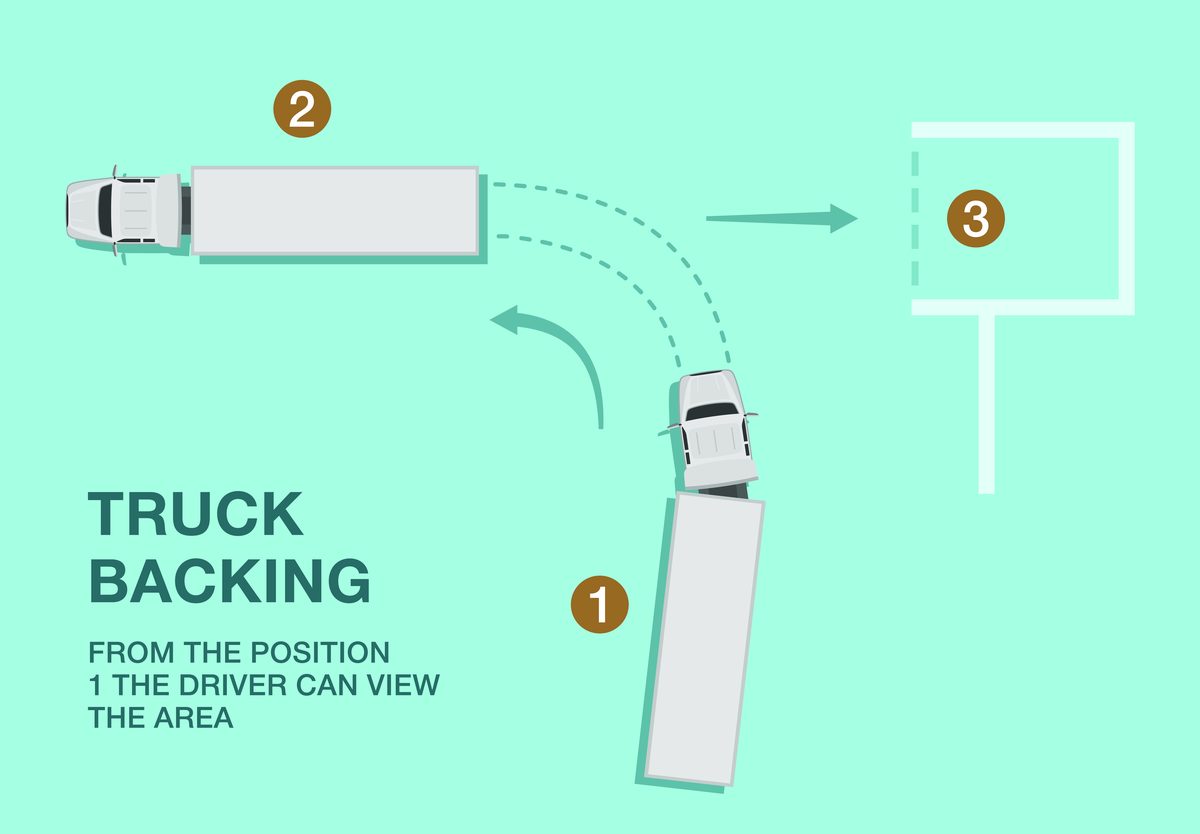
- Basic Vehicle Control Skills – You will perform backing maneuvers, typically including straight-line backing and alley docking.
- On-Road Driving Test – This evaluates safe driving habits, proper turning, lane changes, speed control, and railroad crossing procedures.
Practice with the exact vehicle you will test in. Renting a truck from your training school for a few days before the test dramatically improves pass rates.
5. Pay Fees and Receive Your Temporary License
After passing all portions, pay the CDL issuance fee. The DMV will issue a temporary paper license valid for 30 days while your permanent plastic card is produced and mailed. Your new license will show “Class B” with any earned endorsements.
Step-by-Step Guide to Getting Your CDL Class B License in Connecticut
Choosing the Right Training Program in Connecticut
Details and the latest requirements are available through the ELDT Training Provider Registry.Not all training providers deliver equal results. Look for programs that:
– Are listed on the official FMCSA Training Provider Registry
– Use late-model trucks similar to those used by local employers
– Offer flexible scheduling for working adults
– Provide job placement assistance or direct connections to carriers
For more on this topic, see our guide on upgrading from Class B to Class A.Highway Driver Leasing works with many graduates of approved Connecticut programs and regularly places Class B drivers into both temporary and permanent positions across the state.
Costs Associated with Getting a CDL Class B in Connecticut
Expect to invest between $3,000 and $6,000 for quality training that includes ELDT, truck rental for testing, and all DMV fees. Community colleges and workforce development programs sometimes offer reduced rates or grants for qualifying residents.
Additional costs include the DOT physical (typically $50–$150), study materials, and potential retest fees. Figures vary by training provider, location within Connecticut, and whether you need air brake or endorsement training.
Budget for these expenses the same way you would any professional certification. Many drivers recover their investment within the first two to three months of full-time employment.
Choosing the Right Training Program in Connecticut
What to Expect After You Have Your CDL Class B
Your first year as a Class B driver focuses on building safe habits and hours behind the wheel. Connecticut employers often start new drivers on local routes with strong training programs and close supervision.
Common early roles include:
– Box truck delivery for retailers and wholesalers
– Municipal and construction dump truck operation
– School bus or shuttle routes (with proper endorsements)
– Moving van and furniture delivery
Maintain a clean driving record and arrive on time. These two factors matter more to employers than almost anything else during your first 12–18 months.
Upgrading from Class B to Class A Later
Many drivers earn their Class B first, gain experience, then return for a Class A upgrade. The process is simpler the second time because you already hold a CDL. You will need additional ELDT for combination vehicles, a new knowledge test on combination vehicles, and a Class A skills test.
Key Takeaways
- Complete FMCSA-approved Entry-Level Driver Training before you can test for your CDL Class B license in Connecticut.
- Study the state manual thoroughly and pass all required knowledge tests at the DMV.
- Practice pre-trip inspection, backing maneuvers, and on-road skills until they become automatic.
- Choose training that matches the type of equipment local employers actually use.
- Treat your first year as a professional driver as continued education; safe habits pay dividends for decades.
Ready to start your Class B driving career? Call Highway Driver Leasing at (800) 332-6620. Our recruiters help newly licensed and experienced Class B drivers across Connecticut, Massachusetts, Rhode Island, New Hampshire, Vermont, and Maine find the right opportunities.
Frequently Asked Questions
How long does it take to get a CDL Class B license in Connecticut?
Most motivated students complete ELDT, pass all tests, and receive their license within 4 to 8 weeks. Full-time training programs can shorten this timeline to as little as 3 weeks.
Can I get a CDL Class B license at 18 years old in Connecticut?
Yes. You may obtain a Class B CDL at age 18 for intrastate driving within Connecticut. You must be 21 to operate in interstate commerce or haul certain hazardous materials.
Do I need to own a truck to take the skills test?
No. Approved training schools and third-party testers provide vehicles for the skills exam. You simply pay a rental or use fee, usually between $150 and $300 depending on the provider.
What is the difference between Class A and Class B CDL in Connecticut?
Class A allows you to drive combination vehicles such as tractor-trailers where the towed unit exceeds 10,000 pounds GVWR. Class B covers single vehicles over 26,001 pounds and smaller towed units. Many drivers begin with Class B and upgrade to Class A after gaining experience.