
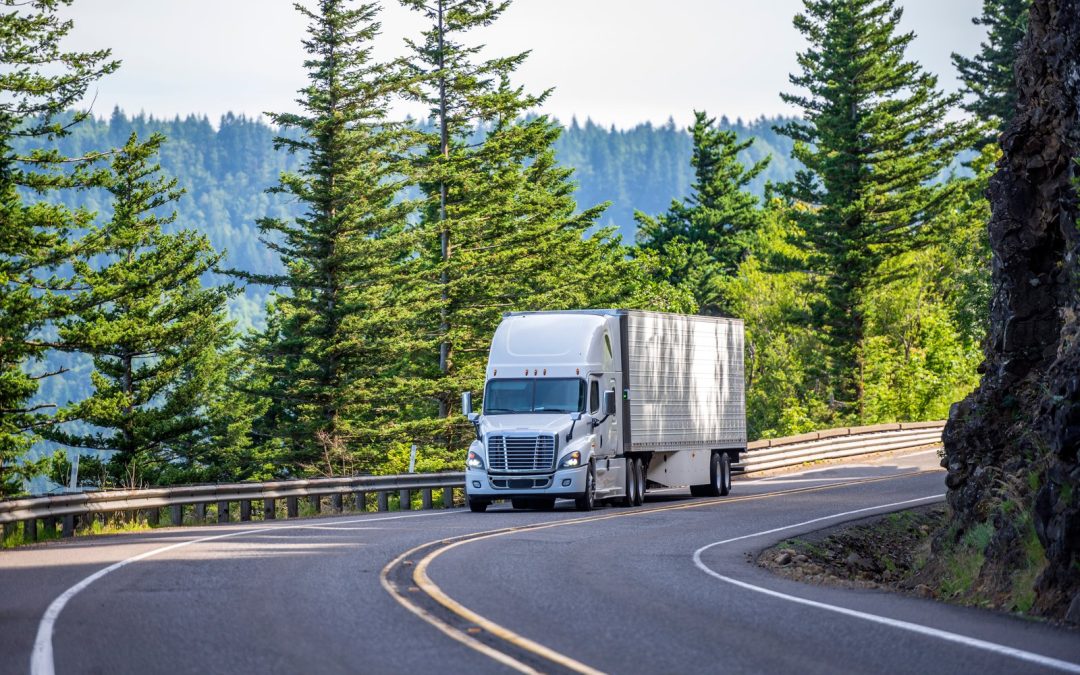
Fleet managers across New England face a shifting driver market in 2026. Tight supply, rising pay, and new compliance demands are reshaping how logistics and construction companies recruit and retain CDL talent. This update outlines the latest Northeast trucking hiring trends 2026, with data points fleet operators can use to adjust staffing strategies now.
New England carriers continue to compete in a regional market defined by seasonal demand spikes, strict hours-of-service rules, and growing last-mile delivery needs. As of 2026, many fleets report driver turnover rates between 75 and 110 percent annually, depending on fleet size and route type. These figures vary by employer and year, yet the direction remains clear: demand for reliable Class A and Class B drivers outpaces local supply in Massachusetts, Connecticut, Rhode Island, New Hampshire, Vermont, and Maine.
In This Guide
- Current Driver Supply and Demand in New England
- Wage Growth and Compensation Packages
- Impact of Regulatory Changes on Hiring
- Technology and Recruiting Strategies That Work
- Preparing Your Fleet for 2026 and Beyond
Current Driver Supply and Demand in New England
For more on this topic, see our guide on driver staffing across New England.The regional driver shortage persists into 2026, though the gap has narrowed slightly from 2024 peaks. Industry analysts estimate New England needs roughly 8,000 to 12,000 additional CDL holders to meet projected freight growth through 2028. Construction booms in Boston, Hartford, and Portland, combined with steady e-commerce volume, keep Class A flatbed, tanker, and dry-van positions open for weeks rather than days.
For current federal guidance, see the FMCSA Regulations.Smaller fleets under 50 trucks report the greatest difficulty. Many cite an aging workforce as a primary factor. More than 35 percent of active New England CDL drivers are over age 55, according to recent industry surveys. As these drivers retire, fleets lose institutional knowledge and route familiarity that cannot be replaced overnight.
Younger drivers show interest in local and regional runs that allow them to return home most nights. This preference creates strong demand for dedicated routes within 250 miles of major terminals in Worcester, Providence, and Manchester. Long-haul positions that keep drivers out for ten days or more remain harder to fill, pushing carriers to increase sign-on bonuses and improve equipment quality.
Highway Driver Leasing helps fleets bridge these gaps with both temporary and permanent CDL driver placement across all six New England states. Whether a construction firm needs Class B dump truck operators for a seasonal project or a logistics provider requires additional Class A teams for peak retail season, flexible staffing options keep trucks moving without long-term payroll commitments.
Wage Growth and Compensation Packages
Wage Growth and Compensation Packages
Average starting pay for experienced Northeast CDL drivers has climbed again in 2026. Regional carriers now advertise base rates between 68 and 82 cents per mile for solo Class A drivers, while dedicated local routes often include hourly guarantees of $28 to $35. These figures vary by employer and year, yet the upward trajectory holds across Massachusetts, Connecticut, and the rest of the region.
For more on this topic, see our guide on New Hampshire truck weight laws update.Sign-on bonuses remain common. Many fleets offer $5,000 to $12,000 for drivers with clean records and at least two years of verifiable experience. Home-time guarantees have become a bigger recruiting lever than cash alone. Companies promising at least three nights home per week report 30 to 40 percent higher response rates on job postings compared with traditional over-the-road schedules.
Benefits packages have also expanded. Health insurance, 401(k) matching, and paid time off now appear in more Class B and local Class A offers. Fleets that previously relied solely on per-diem pay structures are shifting toward W-2 employment models that provide stability and better retirement options. This change reflects both driver preferences and tighter Department of Transportation compliance expectations around proper worker classification.
Construction and aggregate haulers face unique pressures. Seasonal work in Vermont and New Hampshire drives intense short-term demand for dump truck and mixer drivers. These fleets often turn to staffing partners to scale crews quickly without the overhead of full-time hires during slower winter months.
Impact of Regulatory Changes on Hiring
Impact of Regulatory Changes on Hiring
Several regulatory updates influence Northeast trucking hiring trends 2026. The Federal Motor Carrier Safety Administration continues to emphasize electronic logging device compliance and drug and alcohol testing protocols. Carriers must maintain meticulous records, making experienced, safety-conscious drivers even more valuable.
Entry-level driver training standards remain in effect, requiring new CDL applicants to complete approved programs before testing. This requirement limits the speed at which new drivers can enter the workforce, keeping the pool of entry-level talent constrained. Many fleets report that only about 25 percent of applicants who express interest ultimately complete training and pass both skills and road tests.
For more on this topic, see our guide on New England EV charging infrastructure for trucking.Hours-of-service rules continue to shape route planning and driver lifestyle expectations. New England’s dense population centers and frequent toll roads already compress available driving windows. Carriers that can offer predictable schedules aligned with these limits gain an advantage in recruitment.
State-specific regulations add another layer. Massachusetts and Connecticut maintain stricter vehicle inspection standards and emission requirements than neighboring states. Drivers familiar with these rules command slight pay premiums. Fleets that operate across multiple states look for CDL holders with broad endorsement experience and clean abstracts spanning several jurisdictions.
Official rules and updates are published by the Bureau of Transportation Statistics freight data.As of 2026, many industry observers expect further tweaks to drug testing panels and possibly expanded use of hair testing. While final rules remain subject to change, proactive fleets are already updating their compliance programs and communicating these expectations during the hiring process. Working with a staffing provider that maintains current DOT-compliant workforces can reduce a carrier’s administrative burden significantly.
Technology and Recruiting Strategies That Work
Technology and Recruiting Strategies That Work
Digital recruiting platforms now dominate the search for CDL drivers in New England. Successful fleets post openings on multiple job boards, use geo-targeted social media campaigns, and maintain candidate pipelines through text-based communication tools. Response rates improve when postings highlight specific home-time windows, equipment types, and weekly mileage guarantees rather than generic descriptions.
Many companies have improved their onboarding processes to reduce early turnover. Structured training programs, assigned mentors, and clear expectations during the first 90 days help new hires integrate faster. Fleets that track first-year retention metrics report measurable gains after implementing these structured programs.
For more on this topic, see our guide on New Hampshire trucking workforce trends 2026.Referral bonuses remain effective. Current drivers who successfully bring in qualified candidates often receive $1,000 to $2,500 once the new hire completes a probationary period. This approach works particularly well for specialized roles such as hazmat tanker drivers or construction equipment haulers.
Artificial intelligence tools now help screen applications for license status, endorsement validity, and basic safety records. However, human review of driving histories and personal interviews still play critical roles. The most successful recruiters combine technology with personalized outreach that respects the candidate’s time and experience level.
Highway Driver Leasing provides an additional channel for fleet managers who need immediate capacity. Our network of pre-screened, DOT-compliant CDL drivers allows companies to fill seats quickly while maintaining full control over safety standards and service quality.
Preparing Your Fleet for 2026 and Beyond
The Northeast trucking hiring trends 2026 point toward continued competition for quality drivers. Fleets that treat recruiting as a year-round process rather than a seasonal scramble will maintain better staffing levels. This means building relationships with local driving schools, maintaining active candidate pipelines, and regularly refreshing compensation packages to match market movement.
Consider auditing your current driver roster for upcoming retirements and skill gaps. Develop contingency plans that include both permanent hires and flexible staffing options. Companies that combine full-time core teams with temporary placements often achieve the best balance of cost control and operational flexibility.
Invest in your existing drivers. Competitive pay, predictable schedules, and modern equipment reduce turnover more effectively than sporadic bonus programs. Drivers who feel valued and see clear career paths are far more likely to stay and refer others.
Monitor regulatory developments closely. Changes in drug testing, hours of service, or emissions standards can shift the relative attractiveness of different route types. Fleets that anticipate these shifts can adjust recruiting messages and compensation structures before competitors react.
Finally, recognize that the driver shortage will not disappear in a single year. Sustainable success depends on creating a workplace that attracts and retains professionals who take pride in safe, on-time delivery. Whether you manage a private fleet, run a for-hire carrier, or oversee construction logistics, your ability to secure consistent CDL talent will directly affect growth and profitability in the years ahead.
Key takeaways
– Northeast trucking hiring trends 2026 show continued demand for Class A and Class B drivers, with local and regional routes easiest to fill.
– Compensation has risen, with base pay commonly ranging from 68 to 82 cents per mile plus increased emphasis on home time and benefits.
– Regulatory compliance, aging workforce demographics, and structured training requirements all limit the speed of workforce expansion.
– Successful fleets combine digital recruiting, structured onboarding, referral programs, and flexible staffing partnerships.
– Companies that treat driver recruitment as an ongoing strategic initiative rather than a reactive task will hold a competitive advantage.
If your fleet needs additional CDL drivers in Massachusetts, Connecticut, Rhode Island, New Hampshire, Vermont, or Maine, call Highway Driver Leasing at (800) 332-6620. Our team can provide both temporary and permanent placements that meet your exact equipment and compliance requirements.
Frequently Asked Questions
What is the biggest factor affecting Northeast trucking hiring trends 2026?
The combination of an aging driver population and slower influx of new CDL graduates continues to create the largest gap between open positions and available drivers. Fleets that offer consistent home time and modern equipment see stronger response rates.
How much have CDL driver wages increased in New England this year?
Most regional carriers have raised base pay by 4 to 8 percent over 2025 levels. Exact amounts vary by route type, experience, and endorsements, with local and dedicated runs generally seeing the largest gains in total compensation packages.
Are temporary CDL drivers a viable solution for fleet managers facing seasonal demand?
Yes. Many logistics and construction companies use temporary placements to cover peak periods, vacation shortages, or unexpected absences. A reputable staffing partner can supply DOT-compliant drivers on short notice while maintaining safety and insurance standards.
What should fleet managers do to stay ahead of changing hiring conditions?
Maintain year-round recruiting relationships, regularly benchmark compensation against regional data, streamline onboarding, and build flexible staffing partnerships that allow rapid scaling without long-term fixed costs. Monitoring regulatory updates from FMCSA and state agencies is also essential.