
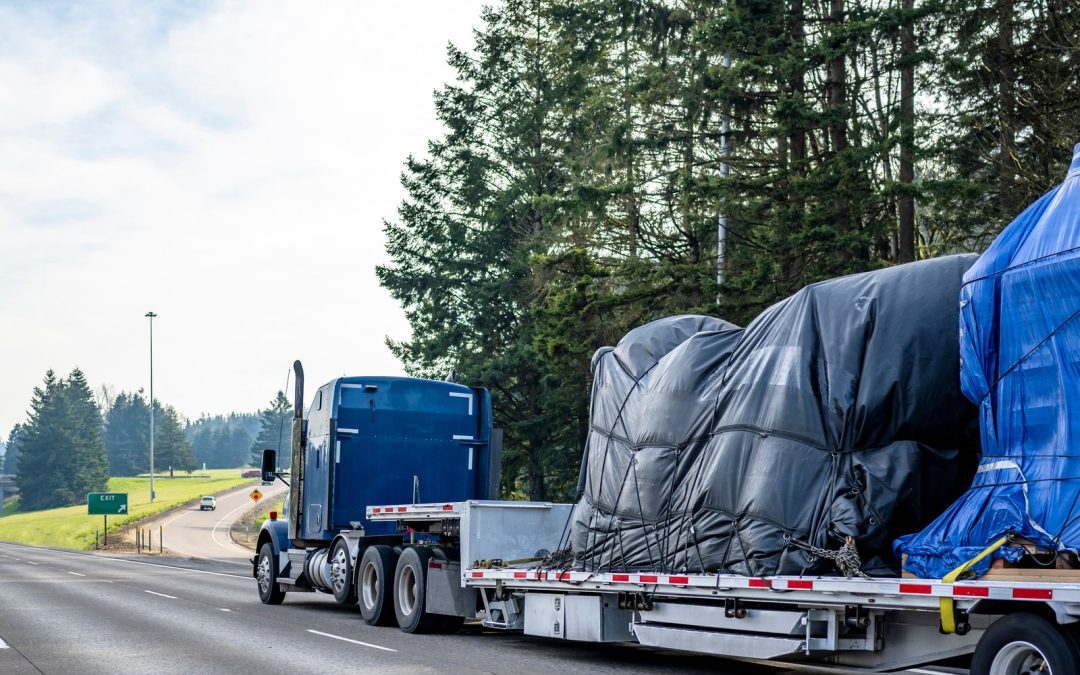
This guide covers New England chassis shortage update 2026 with practical insights from Highway Driver Leasing for drivers and fleets across New England.
Fleet managers across Massachusetts, Connecticut, Rhode Island, New Hampshire, Vermont, and Maine continue to face tight chassis availability that is reshaping daily operations. As of 2026, the New England chassis shortage update shows persistent constraints that are driving up costs and forcing carriers to rethink equipment strategies.
For more on this topic, see our guide on driver staffing across New England.This situation stems from a combination of aging equipment, port congestion patterns, and slower-than-expected manufacturing output. Carriers that rely on intermodal moves are feeling the squeeze most acutely, but the ripple effects reach construction, bulk transport, and last-mile logistics fleets throughout the region.
In This Guide
- Current State of the Chassis Shortage in New England
- Root Causes Behind the Ongoing Shortage
- Impact on Fleet Operations and Driver Productivity
- How Carriers Are Adapting in 2026
- What to Expect for the Remainder of 2026 and into 2027
- Key Takeaways
Current State of the Chassis Shortage in New England
Equipment availability remains below historical norms. Industry surveys and port authority data indicate that chassis utilization rates in major New England gateways hover between 78 and 85 percent on any given day. That leaves little buffer when maintenance cycles, regulatory inspections, or sudden demand spikes occur.
For current federal guidance, see the FMCSA Regulations.Boston, Providence, and Portland terminals report the tightest conditions. Turn times that averaged 45 minutes in 2023 now regularly exceed 90 minutes during peak weekday windows. Some operators have shifted departure schedules by two to three hours simply to avoid idle driver time waiting for a serviceable chassis.
The shortage is not uniform. Dry van and refrigerated operators who rarely touch marine containers feel indirect pressure when their usual drivers are reassigned to cover intermodal routes. This internal shuffling reduces overall fleet productivity and increases overtime costs.
As of 2026, several leasing companies have lengthened minimum contract terms from 30 days to 90 days for premium chassis pools. That change locks smaller fleets out of flexible short-term options and pushes them toward older, higher-maintenance units.

Root Causes Behind the Ongoing Shortage
Root Causes Behind the Ongoing Shortage
Multiple factors converged to create the current environment. First, the average age of chassis in New England fleets now exceeds 11 years. Federal Motor Carrier Safety Administration guidelines require more frequent brake and lighting inspections on older equipment, which removes units from service for longer periods.
For more on this topic, see our guide on Northeast trucking hiring trends 2026.Second, new chassis production has not kept pace with replacement demand. Steel tariffs, semiconductor shortages in braking systems, and higher interest rates have slowed factory output. Manufacturers are quoting lead times of 14 to 18 months for standard 20- and 40-foot chassis, up from six to eight months pre-2024.
Third, port infrastructure upgrades have lagged. While some automated gate systems have been installed, the physical storage yards at several New England facilities have not expanded. This creates a bottleneck where containers are unloaded but chassis cannot be staged efficiently.
Finally, regulatory pressure around emissions has accelerated retirement of older diesel-powered yard tractors and support vehicles, indirectly affecting chassis movement. Carriers must now coordinate with fewer pieces of equipment that meet the latest environmental standards.
These causes are unlikely to resolve quickly. Most analysts project the regional deficit will ease only marginally through 2027 unless significant capital is deployed in both manufacturing and port expansion.
Impact on Fleet Operations and Driver Productivity
Impact on Fleet Operations and Driver Productivity
The chassis shortage directly affects driver hours and equipment utilization. A Class A driver who previously completed three loaded moves per shift may now finish only two because of extended terminal dwell time. That lost productivity can equal $180 to $280 per driver per day depending on the market and fuel surcharge levels.
Maintenance budgets are also rising. Older chassis require more frequent repairs to pass annual inspections. Parts availability for brakes, tires, and landing gear has improved slightly from 2024 lows, yet prices remain 18 to 25 percent above 2022 baselines.
For more on this topic, see our guide on Maine trucking regulations 2026.Recruiting and retaining CDL drivers has grown more difficult in this environment. Drivers grow frustrated when paid by the mile or by the load but spend increasing portions of their day sitting at terminals. Turnover rates for intermodal routes in New England climbed from 41 percent in 2023 to 57 percent in 2025 according to aggregated carrier reports.
Official rules and updates are published by the U.S. Department of Transportation.Safety incidents linked to driver fatigue have also increased in areas with chronic chassis delays. When drivers push to meet delivery windows after long terminal waits, the risk of hours-of-service violations rises.
For HR leads and operations managers, these pressures compound. The cost to source, qualify, and onboard a single replacement driver now averages between $4,200 and $6,800 when factoring in background checks, drug testing, and orientation time.
How Carriers Are Adapting in 2026
How Carriers Are Adapting in 2026
Forward-thinking fleets have adopted several strategies to blunt the impact of the chassis shortage.
Many have invested in dedicated chassis pools through cooperative agreements with port authorities and leasing partners. These pools guarantee a minimum number of units but require upfront capital commitments that smaller operators sometimes cannot meet.
Others have adjusted network design. Some retailers have shifted a larger share of imports through New York-New Jersey and then used regional drayage carriers to bring loads into New England. While this adds a handoff, it can reduce total chassis dwell time at local terminals.
For more on this topic, see our guide on Connecticut truck weight laws update.Technology investments are also helping. Real-time chassis tracking platforms now alert dispatchers when units become available, shaving 20 to 40 minutes off average turn times. Predictive analytics that forecast terminal congestion allow planners to shift loads to off-peak windows.
On the driver side, many companies have moved from pure mileage pay to hybrid models that include hourly terminal wait pay after the first 45 minutes. This change has helped stabilize retention on intermodal routes even as the underlying equipment shortage persists.
Some larger fleets have begun purchasing their own chassis rather than relying solely on rental pools. While the initial outlay is substantial, ownership provides schedule control and eliminates daily rental fees that have risen 12 percent year-over-year.
What to Expect for the Remainder of 2026 and into 2027
The New England chassis shortage update for the second half of 2026 points to continued tightness with modest improvement possible by Q4. New manufacturing capacity scheduled to come online in the Southeast is expected to ease national numbers slightly, but New England’s geographic position and limited rail alternatives mean the region will likely lag behind national recovery.
Port authorities have announced incremental yard expansion projects, yet most will not break ground until late 2026 with completion dates stretching into 2028. In the interim, carriers should plan for chassis availability to remain 15 to 20 percent below optimal levels.
Fuel and maintenance costs tied to older equipment are projected to climb another 7 to 10 percent before stabilizing. Driver pay packages will likely continue to rise in response to both inflation and the productivity drag caused by equipment shortages.
Regulatory changes around emissions and safety inspections are also expected to tighten further in 2027. Fleets that delay modernization may face higher out-of-service rates and increased insurance premiums.
Key Takeaways
- The New England chassis shortage persists into 2026 with utilization rates between 78 and 85 percent at major terminals.
- Driver productivity losses and higher turnover are the most immediate operational impacts for fleets.
- Successful carriers are combining dedicated chassis pools, technology, revised pay structures, and selective equipment ownership to manage constraints.
- Conditions are expected to ease only marginally through 2027; proactive planning remains essential.
- Partnering with experienced staffing providers can help maintain service levels when internal driver resources are stretched thin.
Highway Driver Leasing supplies Class A and Class B CDL drivers across Massachusetts, Connecticut, Rhode Island, New Hampshire, Vermont, and Maine to help fleets maintain delivery schedules during equipment shortages. Call (800) 332-6620 today to discuss flexible staffing options tailored to your operation.
Frequently Asked Questions
How long is the current New England chassis shortage expected to last?
Most forecasts show the shortage easing only marginally through 2027. New manufacturing capacity and port improvements are scheduled, but regional demand and infrastructure limits suggest tight conditions will remain through at least the end of 2026.
Which New England ports are seeing the most severe chassis shortages?
Boston and Providence consistently report the longest turn times and highest utilization rates. Portland experiences seasonal spikes tied to import surges, while smaller terminals in Connecticut and Maine see more localized but still significant constraints.
What can fleet managers do right now to reduce the impact of chassis delays?
Implement real-time tracking, adjust dispatch windows to avoid peak terminal congestion, revise driver pay to compensate for wait time, and explore cooperative chassis pools. Many operators also review route planning to shift volume to alternative gateways when feasible.
Does the chassis shortage affect driver recruiting and retention?
Yes. Extended terminal wait times reduce daily earnings for mileage-based drivers and increase frustration. Carriers that have introduced wait-time pay or hybrid compensation models report better retention on intermodal and drayage routes.