
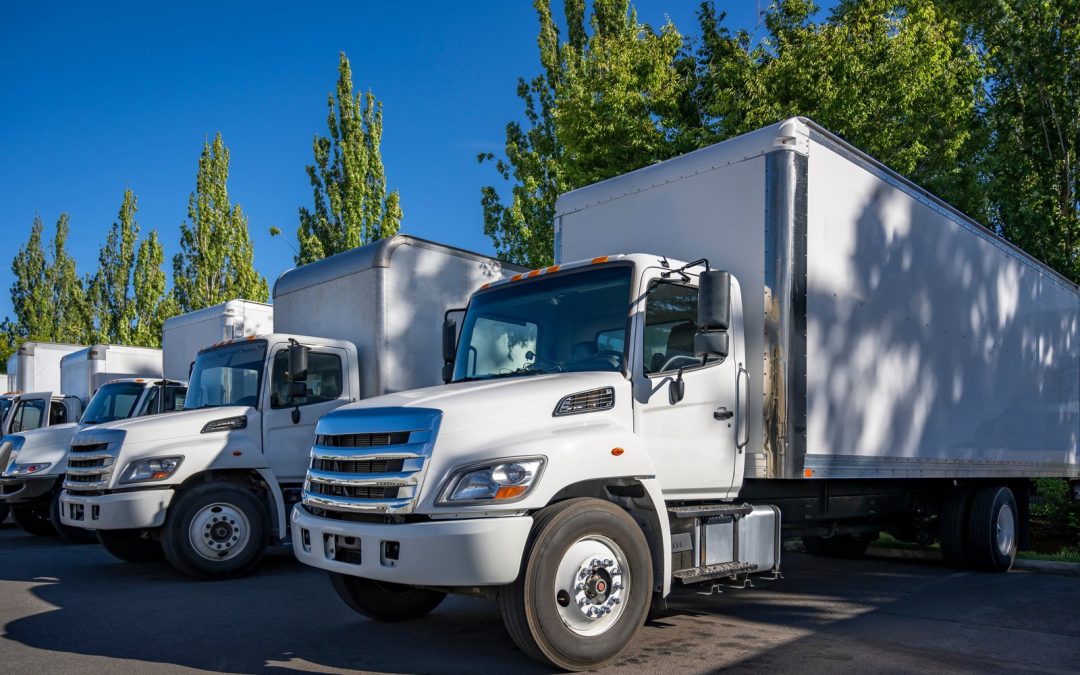
Fleet managers and logistics leaders across New England face a shifting landscape in 2026. The Maine logistics outlook 2026 points to steady freight demand, tighter driver availability, and new compliance pressures that will reshape how companies staff their fleets. This update examines current trends, projected volumes, workforce challenges, and strategic moves that can keep operations running smoothly in the Pine Tree State and beyond.
As of early 2025 data trending into next year, Maine’s logistics sector continues to serve as a critical artery for forest products, seafood, manufacturing inputs, and e-commerce fulfillment. Industry watchers expect moderate growth fueled by infrastructure investments and nearshoring activity, yet persistent shortages in qualified CDL drivers threaten to cap that potential. Companies that adapt early with flexible staffing models will hold a clear advantage.
In This Guide
- Current State of Maine’s Logistics Sector
- Projected Freight Volumes and Economic Drivers for 2026
- Driver Shortage and Workforce Challenges in New England
- Regulatory and Compliance Updates Affecting 2026 Operations
- Strategic Recommendations for Fleet Managers
- Key Takeaways
Current State of Maine’s Logistics Sector
For more on this topic, see our guide on driver staffing across New England.Maine’s economy remains anchored by its working forests, commercial fisheries, and growing food-processing clusters. As of 2026, total freight tonnage moving across Maine highways is projected to rise 3 to 5 percent annually through the end of the decade. This growth stems from increased Canadian cross-border traffic, expanded port activity at Portland and Searsport, and a surge in last-mile deliveries tied to online retail.
For current federal guidance, see the U.S. Department of Transportation.Construction-related freight also plays a larger role. Ongoing bridge and road improvement projects under the federal Infrastructure Investment and Jobs Act continue to generate steady demand for flatbed and dump-truck capacity. Logistics hubs in Bangor, Augusta, and South Portland function as key consolidation points for both inbound raw materials and outbound finished goods.
Warehousing square footage in Maine has expanded by roughly 12 percent since 2022, with new facilities focused on cold storage for seafood and temperature-controlled pharmaceutical distribution. These additions support higher-value freight that requires reliable, DOT-compliant drivers who can meet strict delivery windows.
Intermodal connections between rail, port, and truck continue to mature. Maine’s rail carriers report increased container volumes destined for inland distribution centers in New Hampshire and Massachusetts. This modal shift creates more drayage work for local Class A CDL drivers, adding another layer of complexity for fleet planners already struggling to fill seats.
Projected Freight Volumes and Economic Drivers for 2026
Projected Freight Volumes and Economic Drivers for 2026
Industry analysts forecast Maine truck tonnage to reach between 68 and 72 million tons in 2026, up from approximately 66 million tons recorded in 2024. Figures vary by employer and year, but the upward trajectory appears consistent across forest products, food manufacturing, and general freight.
For more on this topic, see our guide on Vermont trucking regulations 2026.Key growth drivers include:
- Renewed housing starts in the Northeast, increasing demand for lumber and building materials hauled from Maine mills.
- Expansion of aquaculture and wild-caught seafood processing, which requires temperature-controlled transport to markets throughout New England and the Mid-Atlantic.
- E-commerce fulfillment centers that have located in southern Maine to serve the Boston metro area, creating predictable daily load volumes.
- Nearshoring trends that bring light manufacturing back from overseas, boosting both inbound component shipments and outbound distribution.
Fuel prices are expected to stabilize between $3.40 and $3.90 per gallon for ultra-low sulfur diesel, assuming no major geopolitical disruptions. This range allows carriers to price freight more predictably than in the volatile 2022-2023 period. However, toll increases on key New England corridors and potential changes to Maine’s weight and axle regulations could offset some of those gains.
Port of Portland officials project a 7 percent increase in container traffic as shipping lines reroute away from congested southern ports. That growth translates into additional chassis and container drayage work for local trucking companies, many of which already operate with thin driver benches.
Driver Shortage and Workforce Challenges in New England
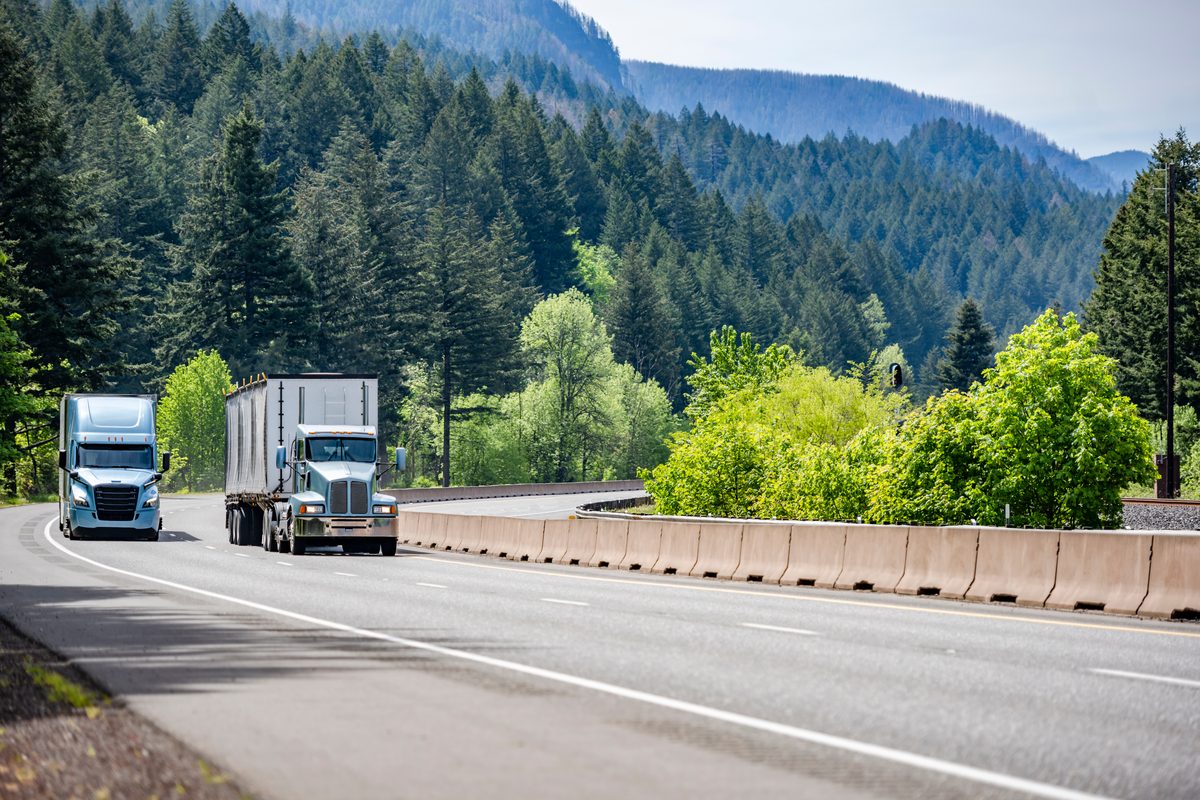
Driver Shortage and Workforce Challenges in New England
The national CDL driver shortage shows no signs of dramatic relief in Maine as we head into 2026. Local fleets report turnover rates between 18 and 28 percent for long-haul positions and 12 to 19 percent for regional and local routes. Younger drivers remain reluctant to enter the profession, while seasoned drivers approach retirement age.
Several factors compound the problem in Maine:
- Harsh winter weather that deters new entrants from obtaining Class A experience.
- Competition from higher-paying construction and energy-sector driving jobs in neighboring states.
- Hours-of-service rules that limit flexibility for smaller carriers trying to compete with larger networks.
- Rising insurance premiums that make it expensive to hire and train entry-level drivers.
For more on this topic, see our guide on NE diesel price trends 2026.Logistics decision-makers increasingly turn to staffing partners who can supply pre-screened, DOT-compliant CDL drivers on both temporary and permanent basis. This approach allows fleets to scale up during peak seasons without carrying full-time overhead during slower periods. Highway Driver Leasing specializes in exactly this model across Maine and the five other New England states, delivering Class A and Class B drivers who meet stringent safety and compliance standards.
Official rules and updates are published by the FMCSA Regulations.Retention strategies also evolve. Fleets that offer predictable home-time, modern equipment, and clear career paths report 15 to 20 percent lower turnover. Yet many smaller operators lack the internal HR resources to implement these programs, creating another opening for professional driver placement services.
Regulatory and Compliance Updates Affecting 2026 Operations
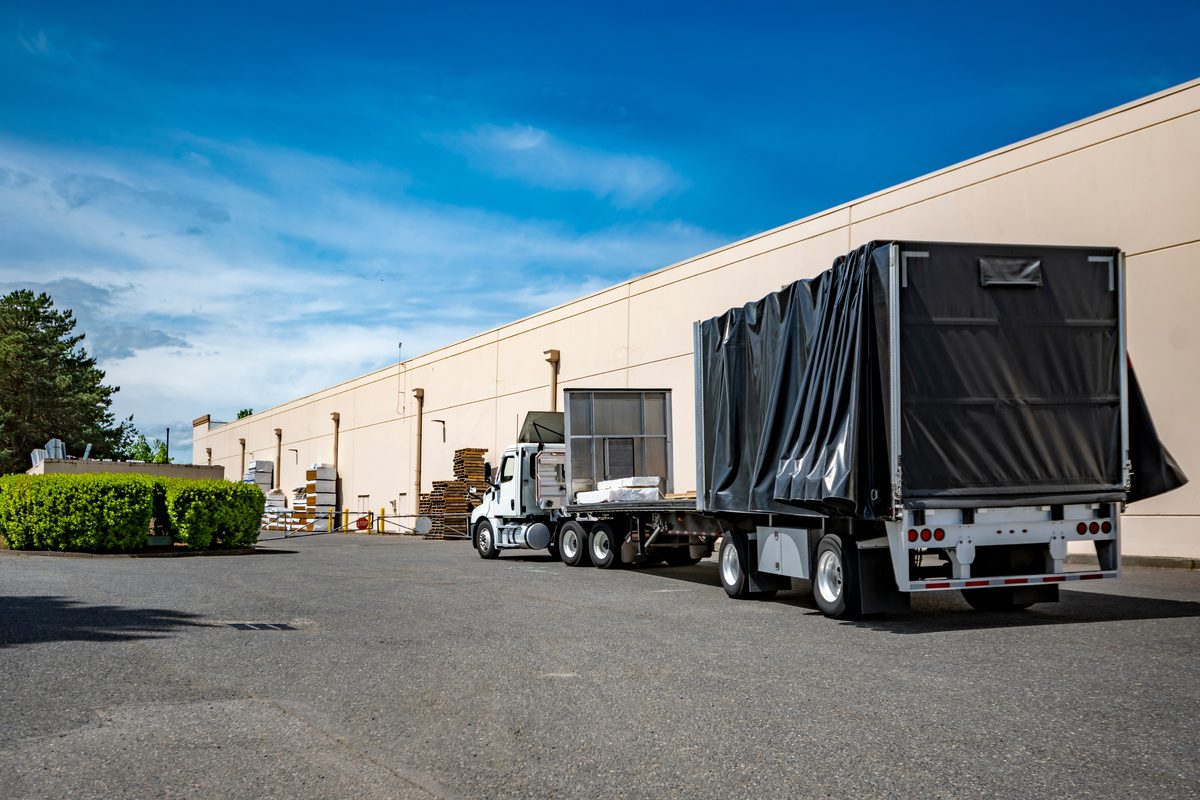
Regulatory and Compliance Updates Affecting 2026 Operations
As of 2026, several regulatory shifts will influence how Maine-based fleets operate. The FMCSA continues to refine its safety measurement system, placing heavier emphasis on preventable accidents and hours-of-service compliance. Carriers should expect more frequent interventions when BASIC scores edge upward.
Electronic logging device (ELD) rules remain strictly enforced, with particular attention paid to personal conveyance and yard moves. Any planned changes to ELD functionality or data-transfer requirements will require fleets to update both technology and driver training programs.
Maine’s own Department of Transportation may adjust seasonal weight limits on certain secondary roads to accommodate heavier timber and agricultural hauls. Fleet managers must stay current with these variations to avoid citations that damage safety ratings.
For more on this topic, see our guide on New England driver turnover trends 2026.Drug and alcohol testing consortium requirements grow stricter, with random testing rates potentially increasing depending on industry violation trends. Companies without robust compliance infrastructure often partner with staffing firms that maintain fully vetted driver pools already enrolled in approved testing programs.
Insurance markets continue to harden for carriers with less-than-perfect safety records. Underwriters now routinely request three-year CSA scores and driver qualification files before quoting. This environment rewards fleets that maintain strong safety cultures and work with partners who pre-qualify every driver they supply.
Strategic Recommendations for Fleet Managers
Successful logistics leaders in the Maine logistics outlook 2026 will take three practical steps.
First, diversify driver sourcing beyond traditional recruiting channels. Partnering with established CDL driver staffing providers gives immediate access to qualified talent without the months-long ramp-up of in-house recruiting. This flexibility proves especially valuable when facing seasonal spikes in construction or agricultural freight.
Second, invest in technology that improves both efficiency and driver satisfaction. Route optimization software, automated yard management, and driver-facing mobile apps can reduce idle time and increase earnings per mile. Drivers notice these improvements and stay longer with carriers that respect their time.
Third, build contingency plans for regulatory change. Whether the next shift involves speed limiters, revised hours-of-service interpretations, or updated drug testing protocols, proactive carriers review policies quarterly and train supervisors accordingly. Those who treat compliance as a continuous process rather than a checklist maintain cleaner records and lower insurance costs.
Companies should also evaluate their mix of permanent and leased drivers. Many Maine fleets discover that a core group of full-time employees supplemented by flexible staffing during peak periods delivers the best balance of cost control and service reliability. This hybrid model has gained popularity throughout New England as transportation budgets face continued pressure.
Key Takeaways
- Maine logistics outlook 2026 shows moderate freight growth of 3-5 percent annually, driven by forest products, seafood, construction, and e-commerce.
- Driver availability will remain the primary constraint; fleets need reliable CDL staffing partners to maintain service levels.
- Regulatory scrutiny around safety, hours-of-service, and drug testing will intensify, rewarding carriers with strong compliance programs.
- Strategic use of temporary and permanent driver placement can reduce turnover costs while scaling capacity to match demand.
- Early adopters of technology and flexible workforce models will capture market share as competition for qualified drivers increases.
The Maine logistics outlook 2026 presents both opportunity and challenge. Carriers that treat driver staffing as a core operational competency rather than an afterthought will navigate the year successfully.
If your fleet needs additional Class A or Class B drivers to meet 2026 demand, call Highway Driver Leasing at (800) 332-6620. Our team supplies fully vetted, DOT-compliant CDL drivers across Maine, New Hampshire, Vermont, Massachusetts, Connecticut, and Rhode Island on both temporary and permanent placement terms.
Frequently Asked Questions
What is the projected freight growth for Maine in 2026?
Industry forecasts point to a 3 to 5 percent annual increase in truck tonnage through 2026, reaching between 68 and 72 million tons depending on housing starts, seafood exports, and e-commerce volumes. Actual results will vary by sector and carrier network.
How severe will the CDL driver shortage be in Maine next year?
Regional fleets continue to experience turnover rates between 12 and 28 percent. The shortage remains acute for long-haul and specialized refrigerated positions, pushing many companies toward professional staffing partnerships for both temporary and permanent needs.
What regulatory changes should Maine carriers prepare for in 2026?
Expect continued FMCSA emphasis on safety scores, stricter interpretation of hours-of-service rules, and possible adjustments to seasonal weight limits on state roads. Drug and alcohol testing requirements may also see higher random testing rates. Carriers should verify the latest details directly with FMCSA and Maine DOT.
Should fleets hire more permanent drivers or use staffing services in 2026?
Most successful operations use a hybrid approach: maintaining a core group of permanent drivers while leveraging flexible CDL staffing partners during peak seasons. This strategy controls costs and provides immediate access to qualified, compliant drivers when volumes spike.