
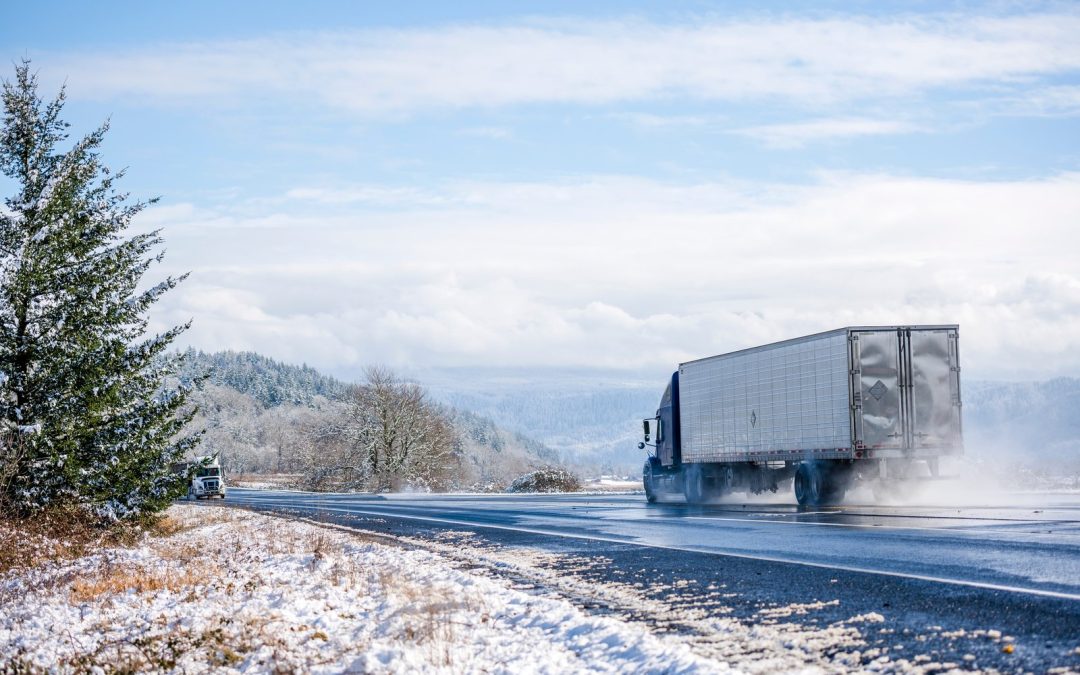
Intermodal rail New England trends are accelerating as shippers and carriers seek cost-effective, reliable alternatives to over-the-road trucking amid rising driver shortages and fuel volatility. Fleet managers across Massachusetts, Connecticut, Rhode Island, New Hampshire, Vermont, and Maine are paying close attention as rail volumes climb and new terminal investments come online.
This article breaks down the latest shifts in intermodal rail activity, what they mean for trucking fleets, and how smart operators are adjusting their driver strategies to stay competitive. Whether you manage a private fleet, run a dedicated contract carriage operation, or oversee logistics for a major distribution network, these developments will influence your equipment utilization, route planning, and staffing needs.
In This Guide
- Current State of Intermodal Rail in New England
- Key Drivers Behind Intermodal Rail New England Trends
- Impact on Trucking Fleets and Driver Demand
- Technology and Terminal Upgrades Supporting Growth
- Preparing Your Fleet for Continued Intermodal Growth
- Key Takeaways
Current State of Intermodal Rail in New England
For more on this topic, see our guide on driver staffing across New England.As of early 2026, intermodal rail traffic in New England has grown roughly 11 percent year-over-year according to regional port and rail authority summaries. The dominant corridors remain between the Port of Boston, Worcester terminals, and inland points stretching into upstate New York and eastern Canada.
For current federal guidance, see the U.S. Department of Transportation.Double-stack service has expanded on the CSX and Norfolk Southern networks serving the region, allowing more containers to move efficiently from East Coast ports to Midwest gateways. This growth directly affects trucking companies because the first and last mile of every intermodal move still requires a skilled CDL driver.
Terminal throughput at the Massachusetts Port Authority’s Conley Terminal and the nearby rail yards has increased, with average dwell times dropping by nearly 20 percent thanks to automation upgrades completed in late 2024. Similar modernization at the New Haven Rail Yard in Connecticut has improved south-to-north flows, giving carriers better access to New Hampshire and Maine markets.
Fuel price swings continue to favor rail for hauls longer than 400 miles. When diesel averages remain above $3.80 per gallon, the cost advantage of intermodal becomes hard to ignore. Fleet managers report that 18 to 25 percent of their over-the-road freight is now evaluated for rail conversion each quarter, a notable jump from 2023 levels.
Key Drivers Behind Intermodal Rail New England Trends
Key Drivers Behind Intermodal Rail New England Trends
Several converging factors are pushing intermodal rail forward in the six-state region.
First, persistent CDL driver shortages have made it difficult to keep trucks rolling. With an aging workforce and fewer new entrants, many fleets simply cannot staff enough long-haul runs. Intermodal allows the same driver pool to focus on shorter, more predictable drayage moves that return home nightly. This improves retention and reduces recruiting pressure.
For more on this topic, see our guide on New England driver turnover trends 2026.Second, environmental regulations are tightening. Massachusetts, Connecticut, and Rhode Island have all introduced stricter emissions targets for heavy-duty vehicles through 2030. Rail moves generate significantly lower carbon emissions per ton-mile, helping fleets meet sustainability reporting requirements from major retailers and manufacturers.
Third, infrastructure investment is finally paying off. The Federal Railroad Administration’s latest grant programs have funded siding extensions and bridge upgrades along key New England corridors. These improvements reduce congestion at choke points such as the Springfield, Massachusetts terminal and the Berlin, Connecticut interchange.
Finally, supply chain resilience remains top of mind after pandemic-era disruptions. Shippers are diversifying away from all-truck networks. Intermodal rail provides a buffer when highway capacity tightens due to weather, construction, or labor actions.

Impact on Trucking Fleets and Driver Demand
Impact on Trucking Fleets and Driver Demand
The rise in intermodal rail New England trends does not eliminate the need for CDL drivers; it changes where and how they are deployed.
Drayage operations at rail terminals now require more Class A drivers familiar with container chassis, twist-lock procedures, and terminal safety protocols. These moves are typically 50 to 150 miles round trip, allowing drivers to log 10 to 12 hours of on-duty time without sleeping in the cab. Many fleet managers view this as an advantage when competing for talent against pure long-haul carriers.
However, the shift also creates pressure on driver schedules. Rail arrivals are governed by train schedules rather than customer appointments. This can lead to bunching of pickups and deliveries, requiring flexible staffing models that traditional full-time rosters struggle to accommodate.
Official rules and updates are published by the Bureau of Transportation Statistics freight data.For more on this topic, see our guide on Vermont freight trends 2026.Data from regional motor carrier councils shows that intermodal drayage fleets in New England experienced a 14 percent increase in driver turnover between 2024 and 2025. The main complaint: unpredictable daily start times caused by train delays. Companies that have stabilized these schedules through better technology integration report 30 percent lower turnover.
For construction and heavy-haul operators, the trend is more indirect. As consumer goods and retail freight moves onto rail, more flatbed and specialized drivers become available for infrastructure projects across Vermont, New Hampshire, and Maine. This rebalancing helps ease seasonal shortages in the building trades.
Technology and Terminal Upgrades Supporting Growth
Technology and Terminal Upgrades Supporting Growth
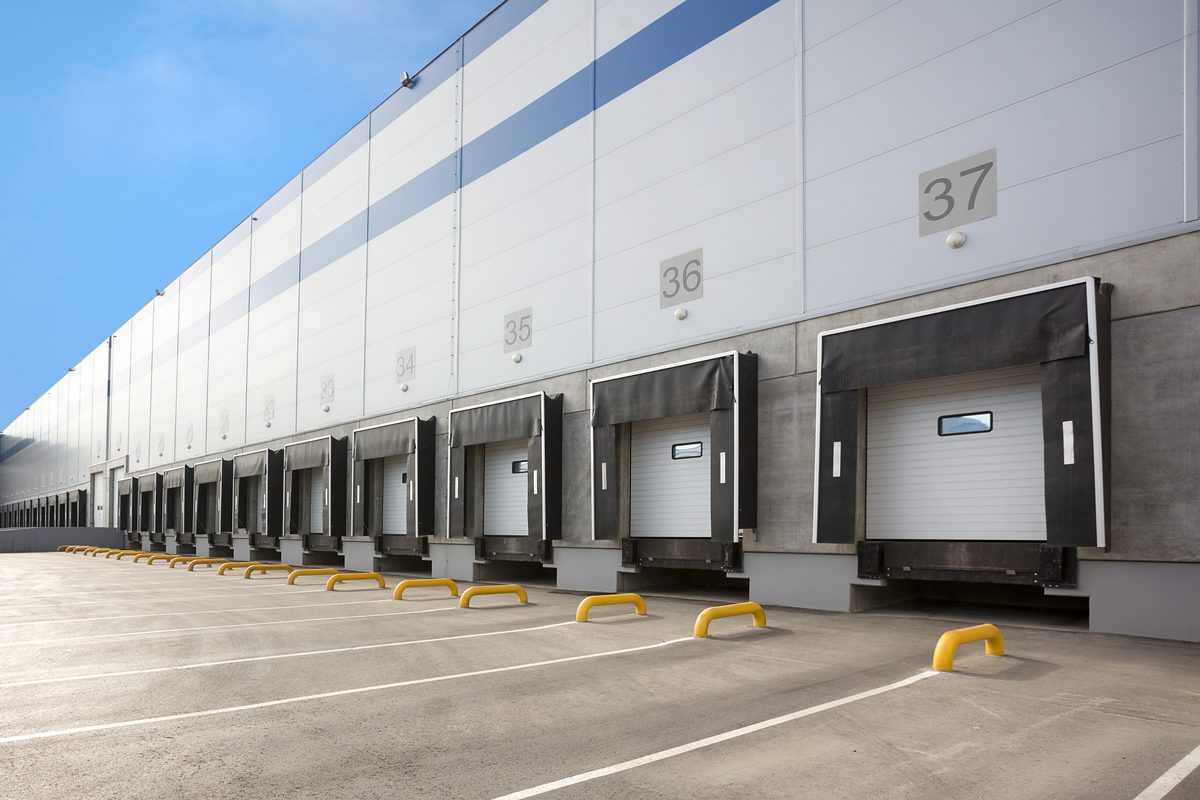
Intermodal rail New England trends are closely tied to technology adoption at terminals and in the cabs of drayage trucks.
Real-time container tracking through blockchain-enabled platforms has reduced the time drivers spend waiting at gates by an estimated 35 percent. Mobile apps now push arrival windows directly to driver phones, allowing fleets to stage equipment more efficiently.
Automated gate systems at the Worcester and Ayer rail yards use optical character recognition to process trucks in under 90 seconds. This speed reduces idling and helps fleets maintain compliance with hours-of-service rules.
On the equipment side, more carriers are investing in electric and hybrid yard tractors for use inside terminal grounds. While these units do not replace over-the-road power units, they do change the mix of Class B CDL drivers needed for short-yard moves.
For more on this topic, see our guide on Massachusetts trucking news this quarter.Looking ahead to 2027 and 2028, industry analysts expect further expansion of rail transload facilities in northern New England. These sites allow bulk commodities such as lumber, paper, and building materials to move by rail before transferring to trucks for final delivery. The development could create steady local work for both Class A and Class B drivers in areas currently underserved.
Preparing Your Fleet for Continued Intermodal Growth
Successful logistics and transportation companies are taking three practical steps to align with intermodal rail New England trends.
First, they audit their current freight mix to identify loads that can reliably move intermodal without compromising service levels. This analysis typically reveals 15 to 30 percent of current truckload volume that can convert, depending on customer locations and product characteristics.
Second, they adjust driver recruiting and retention programs to highlight the benefits of drayage and regional intermodal work: consistent home time, lower mileage wear on personal vehicles, and reduced exposure to long-haul fatigue. Job postings that emphasize these points attract a different segment of the CDL driver population.
Third, they build flexible staffing partnerships that can scale up or down as rail volumes fluctuate. Temporary and contract drivers help cover peak train arrivals without inflating permanent headcount during slower periods.
At Highway Driver Leasing, we help fleets across New England match the right Class A and Class B drivers to intermodal, drayage, and dedicated runs. Our DOT-compliant workforce solutions give you immediate access to screened, qualified CDL drivers when your volumes shift due to rail schedule changes.
If your operation is feeling the impact of growing intermodal rail activity, call (800) 332-6620 today. Our team can provide short-term driver support while you refine your long-term staffing strategy.
Key Takeaways
- Intermodal rail New England trends show steady volume growth of roughly 11 percent as of 2026, driven by cost, sustainability, and infrastructure upgrades.
- The shift increases demand for skilled drayage drivers while easing pressure on long-haul positions, creating both challenges and opportunities for fleet managers.
- Technology at terminals is reducing wait times and improving schedule predictability, yet many carriers still struggle with driver retention due to irregular start times.
- Fleets that analyze their freight mix, update recruiting messaging, and maintain flexible staffing options are best positioned to benefit from continued rail expansion.
- Figures on volume growth, turnover, and conversion percentages vary by employer, terminal, and year; regular review of your own data is essential.
Frequently Asked Questions
How is intermodal rail growth affecting driver shortages in New England?
Intermodal rail growth is shifting driver demand from long-haul to shorter drayage routes. This can reduce overall miles driven but requires more drivers available during specific rail arrival windows, which can exacerbate peak-period shortages if fleets rely solely on full-time staff.
What types of CDL drivers are most in demand for intermodal drayage work?
Class A drivers experienced with container chassis, securement, and terminal procedures are currently the most requested. Class B drivers are also needed for yard and local shuttle moves, particularly at newer transload facilities in northern New England.
Will intermodal rail eventually replace most trucking jobs in the region?
No. Rail handles the long-distance portion of the move, but every intermodal shipment still requires professional CDL drivers for first- and last-mile service. The trend is changing the mix of work rather than reducing total driver headcount.
How can my fleet stay flexible as rail schedules change throughout the year?
Partnering with a specialized staffing provider allows you to add or reduce drivers quickly without the cost of permanent hires. This approach helps maintain service levels when train volumes spike due to seasonal retail or construction demand.