
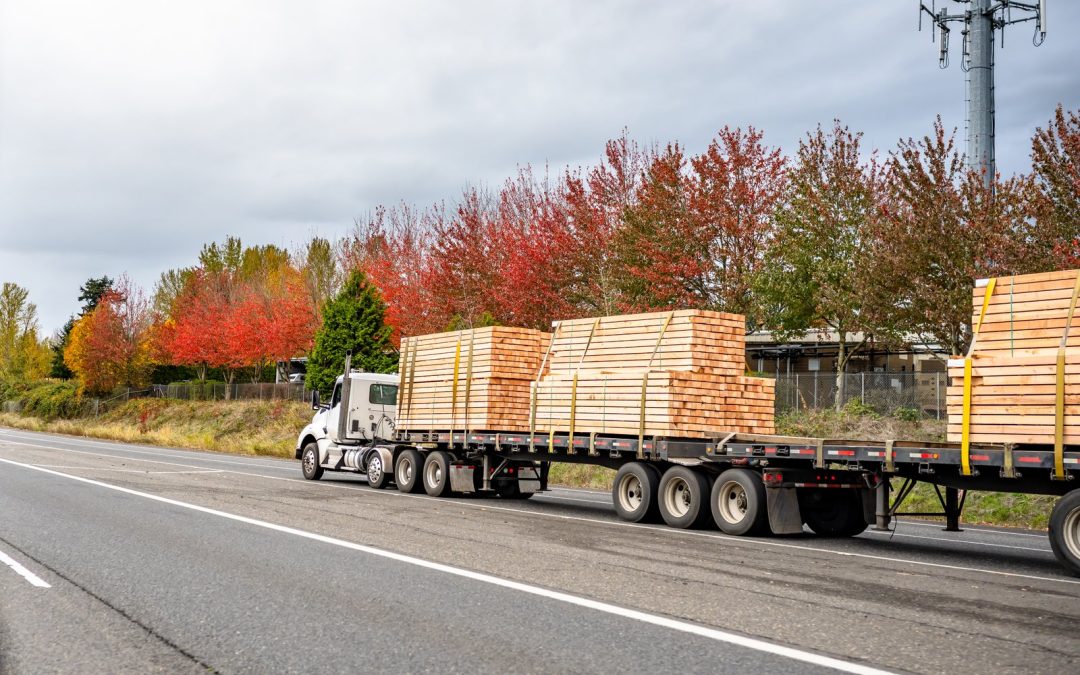
This guide covers CDL per-diem pay explained with practical insights from Highway Driver Leasing for drivers and fleets across New England.
CDL per-diem pay explained in simple terms can unlock higher take-home income without increasing your taxable wages. Many drivers in Massachusetts, Connecticut, Rhode Island, New Hampshire, Vermont, and Maine leave money on the table simply because they do not understand how per-diem works or how to qualify for it legally. This guide walks you through exactly what CDL per-diem pay is, how it affects your paycheck, and the concrete steps you can take to use it responsibly while staying compliant with IRS and DOT rules.
For more on this topic, see our guide on driver staffing across New England.Whether you run local routes out of Boston, haul freight through the Connecticut River Valley, or drive tankers in rural Maine, understanding per-diem can add hundreds of dollars a month to your pocket. Follow the steps below to evaluate, qualify for, and maximize this powerful compensation tool.
In This Guide
- What Is CDL Per-Diem Pay and Why It Matters for Drivers
- Step 1: Determine If You Qualify for Per-Diem as a CDL Driver
- Step 2: Understand the Two Main Types of Per-Diem Structures
- Step 3: Calculate Your Real Take-Home Benefit
- Step 4: Choose the Right Carrier and Negotiate Per-Diem
- Step 5: Track Your Days and Stay Compliant
- Common Mistakes New England CDL Drivers Make with Per-Diem
- How Per-Diem Interacts with Other Driver Benefits
- Key Takeaways
What Is CDL Per-Diem Pay and Why It Matters for Drivers
Per-diem is a daily allowance employers pay to cover meals, lodging, and incidental expenses while you are working away from home. For CDL drivers, the IRS treats a properly structured per-diem as non-taxable reimbursement rather than regular wages. That means you do not pay federal or state income tax, Social Security, or Medicare on that portion of your compensation.
For current federal guidance, see the Bureau of Labor Statistics pay data for heavy truck drivers.A typical Class A driver earning $1,200 per week in taxable wages might convert $300–$500 of that into per-diem. Over a year that tax-free amount can equal an extra $4,000–$8,000 in your pocket, depending on your tax bracket and the number of days you qualify. Figures vary by employer and year.
New England carriers use per-diem programs because the region’s high cost of living and frequent overnight runs make it an attractive recruiting and retention tool. However, not every company offers it, and not every driver meets the strict requirements. Understanding the difference between a legitimate per-diem plan and a questionable one protects you from audits and back taxes.
For more on this topic, see our guide on CDL driver salary in Springfield, MA.Highway Driver Leasing helps both carriers and drivers navigate these programs across all six New England states. Their staffing specialists routinely place Class A and Class B drivers into roles that include compliant per-diem options.

Step 1: Determine If You Qualify for Per-Diem as a CDL Driver
Step 1: Determine If You Qualify for Per-Diem as a CDL Driver
Before you chase higher pay, confirm you meet the basic eligibility tests.
- You must have a tax home. The IRS requires a regular place of business or abode that you maintain. Most over-the-road and regional drivers satisfy this by keeping a permanent residence in one of the New England states even if they are rarely there.
- Your work must take you away from that tax home overnight or long enough to need sleep or rest. Local drivers who return home every night usually cannot claim per-diem.
- Your employer must have a formal accountable plan. Verbal promises or “we’ll just pay you extra cash” arrangements do not qualify. The plan must require you to substantiate business travel and must return any excess payments to the company.
- You must actually incur the expenses. Per-diem is meant to reimburse real costs. Keeping basic records of overnight locations strengthens your position.
If you drive dedicated routes that keep you out two or more nights per week, you likely qualify. Short-haul drivers in tight markets like Rhode Island or southern New Hampshire often do not.
Step 2: Understand the Two Main Types of Per-Diem Structures
CDL per-diem pay explained becomes clearer once you see the two structures used in the industry.
Flat-rate per-diem
The employer pays a fixed dollar amount for each qualifying day. Common rates in New England range from $50 to $75 per day. The company simply adds this to your settlement and excludes it from your taxable box on your W-2. You do not submit receipts.
Tiered or mileage-based per-diem
Some carriers tie the allowance to miles driven or hours worked. For example, you might receive $0.12 per mile in per-diem up to a daily cap. These plans require tighter record-keeping but can pay more on high-mileage weeks.
For more on this topic, see our guide on trucking fuel bonuses explained.Most New England carriers favor the flat-rate model because it is simpler for both payroll and drivers. The IRS publishes annual per-diem rates by locality. While companies do not have to follow the government rates exactly, they often use them as a guideline to stay safe during audits.

Step 2: Understand the Two Main Types of Per-Diem Structures
Step 3: Calculate Your Real Take-Home Benefit
Run the numbers before you accept a per-diem offer. Here is a realistic example for a Connecticut-based driver.
- Base weekly pay (taxable): $1,100
- Per-diem at $65 per day for 5 days: $325
- Total gross compensation: $1,425
- Taxable wages after per-diem: $1,100
Official rules and updates are published by the O*NET career profile: Heavy and Tractor-Trailer Truck Drivers.Assume a 22 percent effective tax rate (federal + state + FICA). The $325 per-diem saves roughly $71.50 in taxes each week. Over 48 working weeks that equals $3,432 in additional spendable income annually.
Use an online paycheck calculator or ask the carrier’s recruiter to run your exact scenario. Always compare total compensation packages, not just the per-diem line. A company offering $60 per-diem but lower base mileage rates may net you less than a higher base rate with no per-diem.
Step 4: Choose the Right Carrier and Negotiate Per-Diem
For more on this topic, see our guide on experienced CDL-A driver pay.Not every trucking company in New England offers per-diem, and some only extend it to company drivers, not owner-operators. Follow these steps when shopping for your next seat.
- Ask directly during the interview: “Do you have an accountable per-diem plan and what is the daily rate for drivers who stay out overnight?”
- Request a copy of the written plan. Legitimate programs are documented and available to drivers.
- Inquire about the look-back period. Some carriers require 30 or 60 days of continuous qualifying travel before per-diem begins.
- Clarify how per-diem affects unemployment, workers’ compensation, and retirement contributions. In most cases per-diem does not count toward these calculations.
- If you work through a staffing partner like Highway Driver Leasing, ask their recruiters which of their client accounts currently offer per-diem. They maintain relationships with carriers across Massachusetts, Vermont, Maine, and the rest of the region and can match you quickly.
Drivers who already hold a Class A or Class B CDL often gain leverage to negotiate higher per-diem rates or faster qualification when they demonstrate clean safety records and flexible availability.

Step 3: Calculate Your Real Take-Home Benefit
Step 5: Track Your Days and Stay Compliant
Even with an accountable plan, you must keep simple records. The IRS can ask for proof years later.
- Use a spiral notebook, phone app, or ELD export to record each qualifying overnight.
- Note the city and state where you parked or slept.
- Keep pay stubs that clearly separate taxable wages from per-diem.
- Save hotel receipts if the company requires them for reimbursement on top of per-diem.
Most drivers find that logging the information takes less than two minutes per stop. Carriers that use electronic logging devices can often generate per-diem reports automatically, reducing your paperwork.
Avoid the temptation to claim per-diem on days you sleep at home. Doing so risks reclassification of the entire program and possible repayment of taxes plus penalties.
Common Mistakes New England CDL Drivers Make with Per-Diem
- Switching jobs frequently and losing qualification periods.
- Failing to update their address when they move within the six-state region, which can affect tax-home status.
- Accepting cash advances labeled as per-diem without proper documentation.
- Not asking whether per-diem counts toward DOT hours-of-service calculations. Legally it should not, but some older plans still tie compensation to on-duty time.
By avoiding these pitfalls you protect both your wallet and your CDL.
How Per-Diem Interacts with Other Driver Benefits
Per-diem usually does not reduce your base rate, overtime, or accessorial pay. However, it may affect:
- Child support calculations in some states
- Monthly gross income used for mortgage or loan approvals
- 401(k) matching if the plan is based on taxable wages only
Discuss these topics with a tax professional or financial advisor familiar with transportation workers. Highway Driver Leasing can connect you with carriers that pair per-diem with solid health insurance and paid time off so you do not trade one benefit for another.
Key Takeaways
- CDL per-diem pay explained correctly shows it is a legal way to receive tax-free reimbursement for travel expenses when you maintain a tax home and stay out overnight.
- Typical daily rates in New England range from $50 to $75, adding thousands of dollars in annual spendable income.
- You must follow an accountable plan, keep basic travel records, and avoid claiming per-diem on local runs.
- Choosing the right carrier and asking the right questions during hiring gives you the best chance to benefit from per-diem.
- Partnering with an experienced staffing agency helps you find compliant opportunities faster across Massachusetts, Connecticut, Rhode Island, New Hampshire, Vermont, and Maine.
Ready to explore CDL positions that include per-diem pay? Call Highway Driver Leasing at (800) 332-6620. Their team places drivers in both temporary and permanent roles throughout New England and can explain exactly how each opportunity structures compensation.
Frequently Asked Questions
Can local CDL drivers in New England still receive per-diem?
Most local drivers who return home nightly do not qualify because they lack the required travel away from their tax home. Some dedicated regional runs that include one or two overnights per week may allow partial per-diem. Always verify the specific plan with the employer.
Does per-diem count as income for child support or taxes in Massachusetts or Connecticut?
Per-diem is generally excluded from taxable income, but some states treat it differently for child support and alimony calculations. Consult a local family law attorney or accountant to understand how it affects your specific obligations.
Will taking per-diem lower my Social Security benefits when I retire?
Because per-diem is not considered wages, it does not increase your Social Security earnings record. Drivers who rely heavily on per-diem may want to contribute more to a personal IRA or 401(k) to offset the lower reported wages.
How quickly can I start receiving per-diem after I get hired?
Many carriers impose a 30- to 90-day waiting period to confirm you are genuinely traveling. Staffing companies like Highway Driver Leasing sometimes place drivers directly into accounts that activate per-diem sooner. Ask during your initial screening.